







As married women prepare for the Karwa Chauth fast on October 29, 2026, the focus turns to Sargi. This cherished pre-dawn meal is more than just food; it's a ritual of love, blessings, and crucial nourishment for the day ahead.
The Meaning and Significance of Sargi
Sargi is the traditional
meal eaten before sunrise on the day of Karwa Chauth. It marks the beginning of the day-long 'nirjala' fast, where women abstain from both food and water until moonrise for the longevity and well-being of their husbands. Traditionally, the Sargi thali is a gift prepared by a mother-in-law for her daughter-in-law, symbolizing her love, care, and blessings. This act strengthens the bond between them and represents the passing down of family traditions. Beyond the family ties, the ritual is a moment of quiet preparation, setting a spiritual and emotional tone for a day of devotion.
What's on a Traditional Sargi Thali?
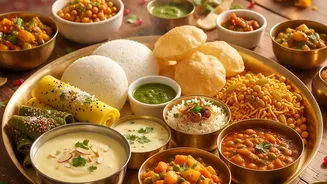
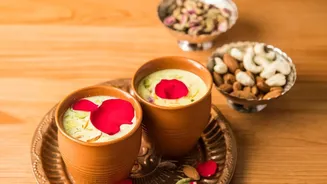
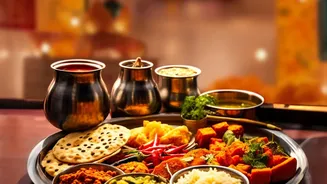
A well-balanced Sargi thali is designed to provide sustained energy and hydration. While customs vary by region and family, some items are staples. The plate typically includes a combination of fresh fruits, dry fruits and nuts, sweets, and light, cooked foods. Fresh fruits like pomegranates, bananas, and apples provide natural sugars and hydration. Almonds, walnuts, and cashews offer healthy fats and protein to promote satiety. A sweet dish, such as 'pheni' (a vermicelli pudding) or 'seviyan', is often included for energy and festive spirit. Some thalis also feature a simple, savoury dish like a lightly-stuffed paratha with curd to provide complex carbohydrates for slow-release energy.
The Nutritional Wisdom Behind the Ritual
The composition of the Sargi thali is rooted in practical wisdom, aligning with modern nutritional advice for fasting. The goal is not to overeat but to consume a balanced mix of nutrients. Complex carbohydrates from whole grains like roti or paratha release energy slowly, preventing a sudden crash. Proteins from nuts, seeds, and dairy products like curd or paneer help keep hunger at bay. Water-rich fruits and drinks like milk or coconut water are crucial for hydration before the nirjala fast begins. It is advisable to avoid overly salty, fried, or sugary foods, as they can lead to thirst and discomfort later in the day.
Modern Observances and Preparations
In today's world, the tradition of Sargi has adapted to modern lifestyles. For those living away from their mothers_in_law, preparing one's own Sargi has become a common practice, preserving the spirit of the ritual. Many women wake up early to prepare a thoughtful meal for themselves, focusing on foods they know will sustain them. Some families gather to eat the pre_dawn meal together, turning it into a moment of shared support and unity. The key is to plan ahead. Drinking plenty of water the day before the fast is recommended to start well_hydrated. Preparing the Sargi components in advance can make the early morning ritual smoother and more peaceful.