



The World's Green Energy Envy
On paper, Iceland is a climate champion. Nearly 100% of its electricity comes from renewable sources, with approximately 70% from hydropower and 30% from geothermal energy. This achievement makes Iceland the world's largest green energy producer per capita.
Furthermore, an incredible 90% of Icelandic homes are heated directly with geothermal water, piped from the ground to their radiators. This system avoids the need for fossil fuels for heating, drastically reducing the nation's carbon footprint. The country’s grid has the lowest carbon intensity in the world, a statistic that makes it a global model for a sustainable future. But this green reality isn't born from gentle, pastoral landscapes; it's harnessed from some of the most powerful and volatile forces on Earth.
Power from the Planet's Core
Iceland’s geothermal power is a direct consequence of its violent geology. The country sits atop the Mid-Atlantic Ridge, where the North American and Eurasian tectonic plates are pulling apart, creating a hotbed of volcanic activity. Engineers drill wells thousands of metres deep to tap into underground reservoirs of water heated by magma. This superheated water and steam are then channelled to the surface to spin turbines, generating electricity and providing hot water for the nation. This is the 'fire' in the 'Land of Fire and Ice'—a raw, subterranean energy that powers modern life. However, this same geological instability means the ground underfoot is never entirely stable, a constant reminder of the power simmering just below the surface.
The Reality of a North Atlantic Winter
While geothermal heat keeps homes cozy, the Icelandic winter outside is a formidable force. The most defining feature is the profound darkness. On the winter solstice in December, the capital, Reykjavík, receives just over four hours of weak, low-angle daylight. This lack of light can take a mental toll, and while Icelanders have adapted, many find Seasonal Affective Disorder (SAD) a real challenge. The weather itself is notoriously unpredictable and severe. Atlantic storm systems bring ferocious winds and sudden blizzards that can shut down roads and ground flights, isolating communities. The combination of wind, cold, and wet makes daily life a challenge and puts immense strain on infrastructure. Surviving, let alone thriving, requires a resilient mindset and a deep respect for the weather's power.
Living with Active Glaciers
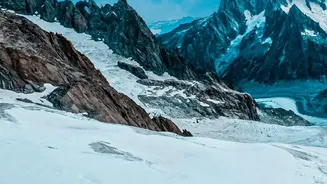
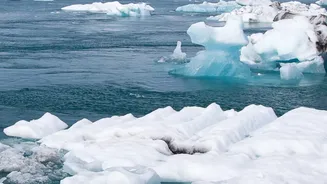
The 'ice' in Iceland's nickname is just as active as the 'fire'. The country's vast glaciers, which cover 10% of its landmass, are the source for its powerful hydropower. Glacial meltwater feeds the rivers that drive the turbines. But these glaciers are not static. Many cover active volcanoes, and a subglacial eruption can melt enormous quantities of ice in hours, triggering a catastrophic flood known as a 'jökulhlaup'. These glacial outburst floods can sweep away roads, bridges, and everything else in their path. Furthermore, climate change is causing Iceland’s glaciers to melt at an alarming rate, which paradoxically increases river flow for now but threatens the long-term viability of hydropower. This rapid melting also increases instability, leading to more frequent rockfalls and making glacial areas more hazardous, as seen with recent warnings at Sólheimajökull glacier.
A Portrait of Resilience
To view Iceland’s green status as a simple choice is to miss the point. It is a necessity, born from a unique and demanding environment. Icelanders have ingeniously harnessed the very geological and climatic forces that could otherwise make life impossible. They use volcanic heat to keep warm through sunless winters and melt snow from city pavements. They channel glacial melt into electricity that powers their industries. Life in Iceland is a continuous act of adaptation. It’s a society built on a deep, pragmatic understanding that nature is both a provider and a potent threat. This constant negotiation between humanity and a powerful environment is the true story behind the country’s pristine, green reputation.