





Choosing between the breezy freedom of a bicycle and the smooth glide of skates is a classic dilemma for aspiring movers. Both promise fun and fitness, but for a complete beginner, the path to proficiency looks quite different for each.
The Foundation of Balance
At its core, the
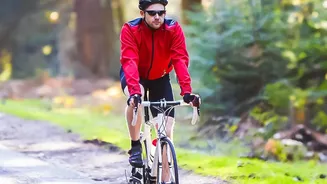
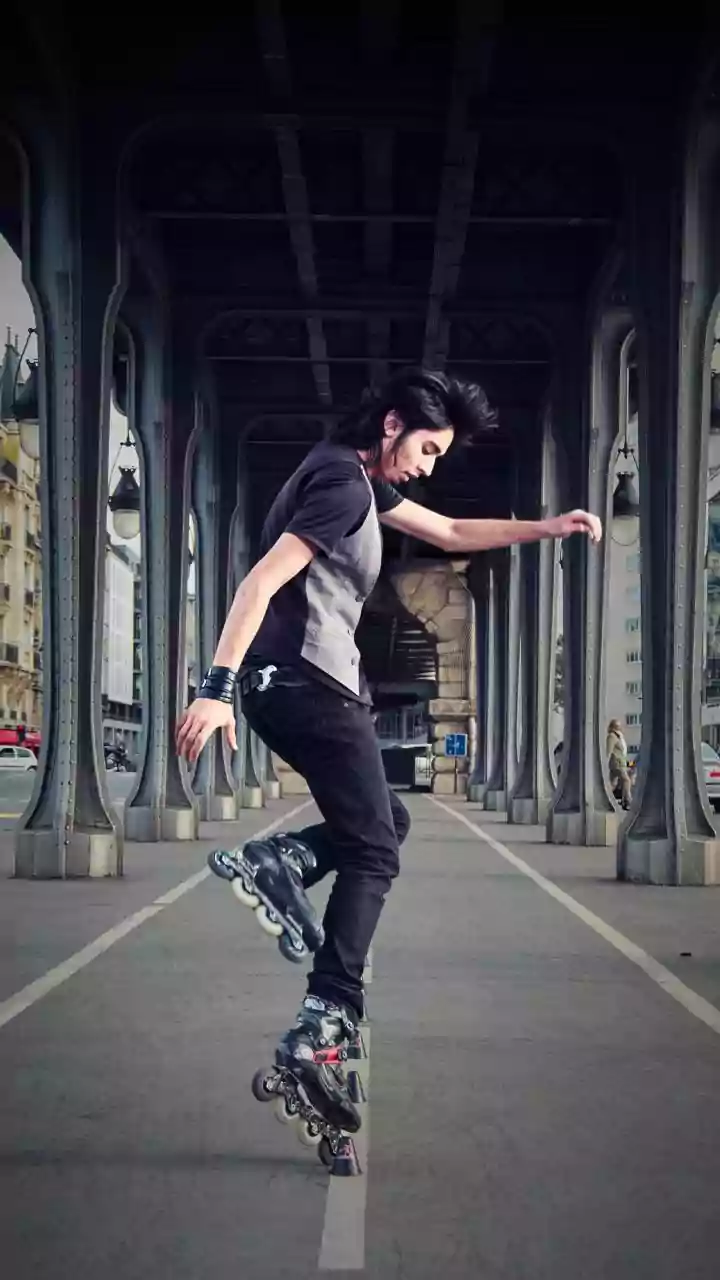
challenge in both cycling and skating comes down to balance, but the nature of that balance is fundamentally different. When you learn to ride a bike, you are mastering how to balance a machine that is inherently unstable at a standstill. The magic happens with forward momentum; speed creates gyroscopic stability in the wheels, making the bike want to stay upright. Your job is to make small, intuitive adjustments to steering and body weight to cooperate with that forward motion. Skating, whether on inline or quad skates, is about balancing your own body directly on top of wheels. There is no machine to stabilise for you. From the moment you stand up, your core, hips, and ankles are working to manage your centre of gravity over a very small, mobile footprint. This makes skating a constant, active balancing act, even when moving slowly.
Initial Stability and the First Ten Minutes
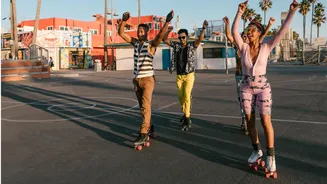
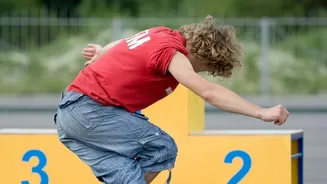
For many, a bicycle feels more daunting at first. It is larger, and the ground seems farther away. However, with the aid of a guiding hand or by using the 'balance bike' method (removing the pedals and pushing off with your feet), a beginner can quickly get a feel for the dynamic stability of a rolling bike. Many people experience a distinct 'aha!' moment where balancing suddenly clicks. In contrast, the first ten minutes on skates can feel like a battle against gravity. Simply standing still without rolling or wobbling is the first major hurdle. Your ankles will feel weak, and your instinct will be to stand up straight, when you actually need to bend your knees and adopt a low, athletic 'skater stance' to create a stable base. While a bike gains stability with speed, skates require you to create all the stability yourself through posture and muscle engagement.
The Inevitable Fall
Falling is a non-negotiable part of learning either skill, but the experience differs. Bike falls tend to be less frequent but potentially more dramatic, often happening at higher speeds and from a greater height. This can create a significant 'fear factor' for beginners. Learning to fall correctly is not often taught but is a crucial skill. Skating falls, especially for beginners, are typically more frequent but less severe. They usually happen from a standing or slow-rolling height, resulting in scraped knees or bruised palms. This is why protective gear like wrist guards, elbow pads, and knee pads are considered essential for beginner skaters. The learning process for skating involves becoming comfortable with these small tumbles and learning how to get back up efficiently.
The Learning Curve: A Click vs. A Climb
Learning to ride a bike often follows a pattern of frustration followed by a breakthrough. One moment you're wobbling, and the next, you've found the balance point and are pedalling away. While mastering advanced skills takes time, achieving basic forward motion can happen relatively quickly. Learning to skate is more of a gradual climb. It requires building new muscle memory in your feet, ankles, and core. The initial stage involves just standing, then marching in place, then taking tentative 'v-steps' or bubbles. Stopping safely is another complex skill that requires dedicated practice. While some find skating intuitive, most agree it has a steeper initial learning curve that demands more patience and incremental progress.
Muscle Engagement and Terrain
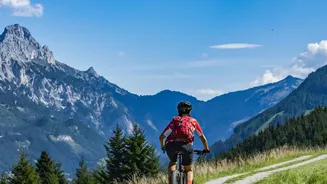
From a fitness perspective, the two activities work the body differently. Cycling is a fantastic cardiovascular workout that primarily strengthens the quadriceps and hamstrings. Skating, on the other hand, is a more comprehensive full-body workout. It heavily engages the glutes, hips, lower back, and core muscles to maintain balance, offering a robust toning benefit. Terrain is another major differentiator. Bicycles are far more forgiving on varied surfaces. You can ride on pavement, dirt paths, and even grass. Skates demand a smooth surface. Small cracks, gravel, or rough pavement can easily trip up a beginner, making location a key factor in how easily you can practice.