






A Tradition Revived
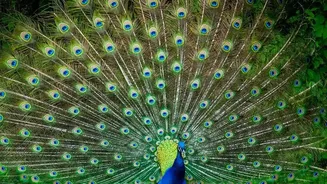
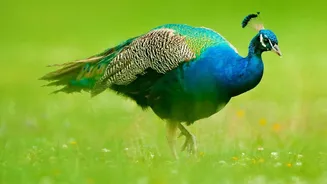
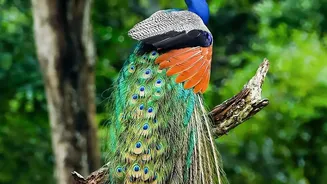
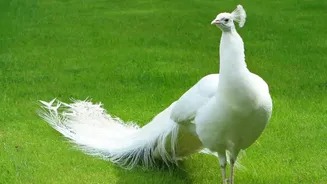
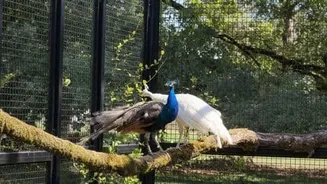
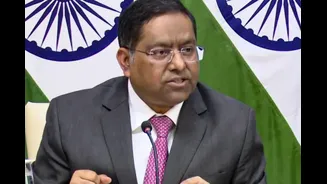
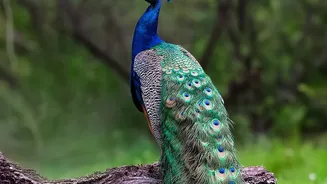
In early August 2026, India's Permanent Representative to the UN in Geneva, Arindam Bagchi, formally presented five young Indian peacocks to the Director-General of the UN Office, Tatiana Valovaya. The flock, consisting of four classic blue peacocks and
one rare white male, was not a random gift. It was the revival of a diplomatic tradition started 45 years ago. In 1981, then-Prime Minister Indira Gandhi sent a breeding pair of peacocks to the very same location. For decades, that original pair and their descendants populated the UN grounds, becoming a cherished feature. However, over time, their numbers naturally dwindled until only one remained, putting the long-standing tradition at risk. India's recent gift is a direct response to help restore this unique piece of living history.
The Perfect Historic Home
The UN’s European headquarters, the Palais des Nations, is situated in the 46-hectare Ariana Park, which has a unique connection to peacocks that predates the UN itself. The park's original owner, Gustave Revilliod, bequeathed the estate to the city of Geneva in 1890 with a specific condition: that his beloved peacocks must always be allowed to roam the grounds freely. This makes the park an unusually perfect home for the birds. India's gift doesn't just introduce something new; it reinforces a local legacy stretching back over a century, blending India's national heritage with Geneva's own history. The new arrivals will spend about three months in a special aviary to acclimate before they are released to wander the park, their care overseen by the Geneva Bioparc zoo.
A Symbol of a Nation
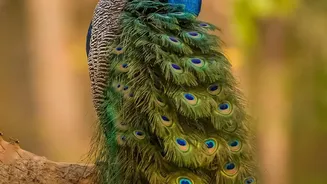
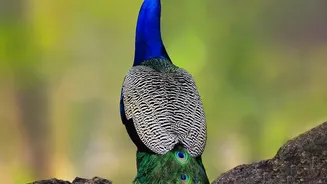
The choice of the peacock is deeply significant. As India's national bird, the Indian Peafowl, or Pavo cristatus, is a powerful symbol of grace, pride, and beauty that is woven into the fabric of Indian culture. The bird is associated with deities like Lord Krishna and Lord Kartikeya and features prominently in mythology, art, and literature for millennia. It has been depicted in the art of the Indus Valley, graced the legendary Peacock Throne of the Mughal Empire, and continues to be a recurring motif in textiles and folklore. By gifting its national bird, India is sharing a piece of its soul—a living emblem of its rich cultural heritage and its commitment to the conservation of biodiversity.
The Art of Soft Power
This gesture is a masterful example of what diplomats call "soft power." Instead of relying on military or economic coercion, soft power involves using cultural attraction and shared values to build relationships and achieve foreign policy goals. Gifting peacocks is a form of cultural diplomacy that communicates friendship, goodwill, and a commitment to multilateralism in a way that a formal speech or treaty cannot. It's a memorable, visual, and highly symbolic act that strengthens India’s partnership with the UN and showcases the nation's identity on a global stage. While diplomats inside the Palais des Nations discuss global challenges, these birds serve as a living reminder that diplomacy can also be about connection, heritage, and gestures of peace.
A Message in the Colours
The composition of the gift was also thoughtfully planned. The inclusion of four blue peacocks and one striking white one was a deliberate nod to the official blue and white colours of the United Nations itself. This clever detail adds another layer of meaning, visually aligning India's national symbol with the international organization it was gifted to. The Indian mission in Geneva noted that the gift underscores the country's enduring partnership with the UN. The rare white peacock, in particular, stands out, ensuring the flock is not just a replenishment of the park's peacock population but a distinct and memorable contribution.