





First, What Is Your Core?
Before diving into the differences, it's crucial to understand what the 'core' really is. It’s far more than just the six-pack muscles (the rectus abdominis) you see on the surface. Think of your core as a supportive cylinder that includes your deep abdominal
muscles, the muscles in your lower back, your pelvic floor, and even your diaphragm. This muscular system acts as the central link between your upper and lower body, providing stability for your spine, improving balance, and transferring force during movement. A strong, functional core is the foundation for almost every activity you do, from lifting groceries to performing complex athletic feats.
The Power of the Pose: Static Stability
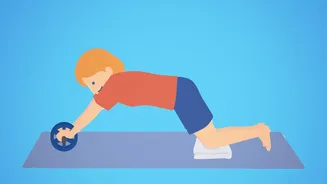
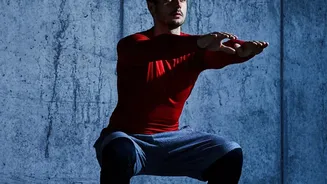
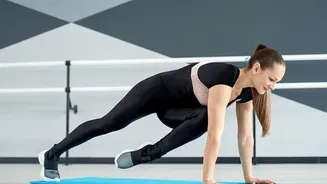
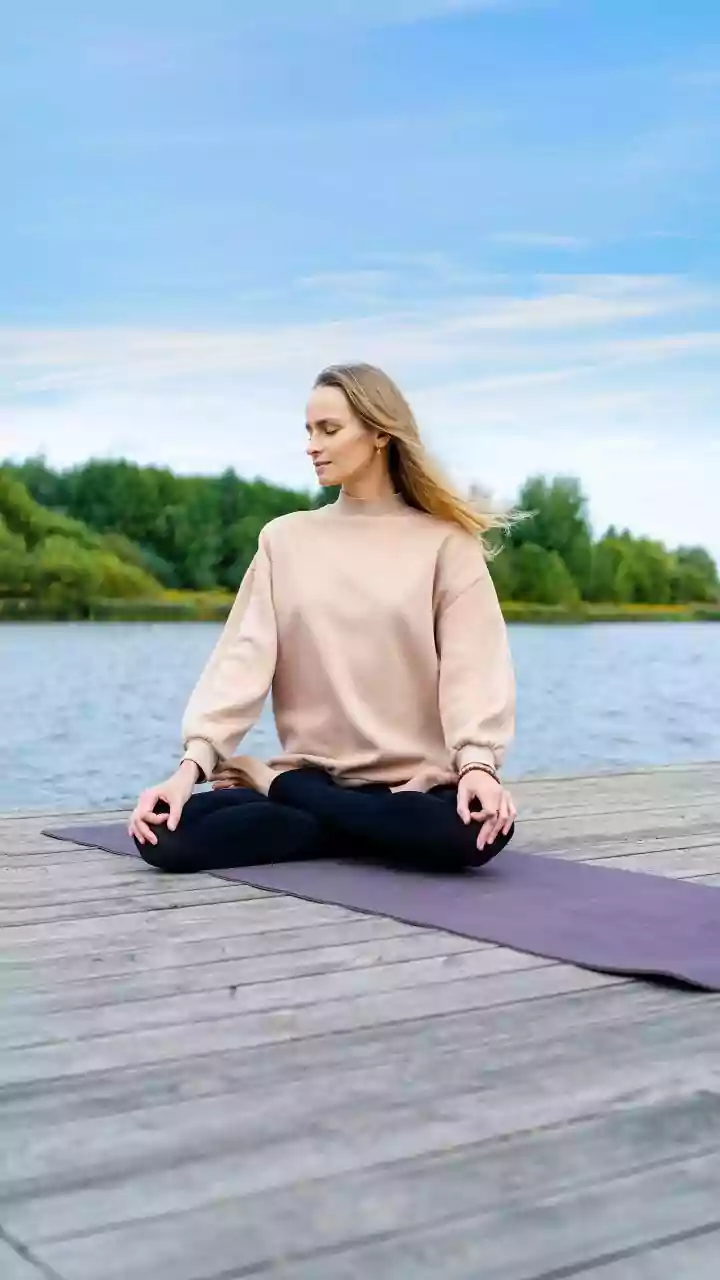
Slow, controlled poses, like those found in yoga and Pilates, are masters of building static strength and muscular endurance. When you hold a position like a plank, Boat Pose, or Warrior III, you are performing an isometric contraction. This means your muscles are tensing and working hard, but they aren't changing in length. This type of exercise is exceptional for training the deep, 'local' stabilizer muscles, such as the transverse abdominis (your body's natural corset) and the multifidus along your spine. Their job is to hold your spine and pelvis steady, resisting unwanted movement and protecting you from strain. By holding these poses, you're teaching these muscles to fire for prolonged periods, building a foundation of unshakable stability.
The Dynamics of Skating: Reactive Strength
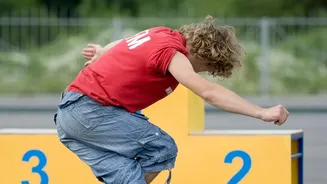
Now, consider the constant motion of skating. Whether on ice or wheels, you're on a perpetually unstable surface, requiring your core to work in a completely different way. Skating is a dynamic activity, meaning it involves movement. Every push, glide, and turn forces your core to constantly react and adjust to maintain balance and control. This type of activity heavily engages both the deep stabilizers and the larger 'global' mobilizer muscles, like the obliques and rectus abdominis. These muscles work together to manage rotation, transfer power from your legs to your torso, and keep your pelvis level as your limbs move. Instead of just holding one position, your core is learning dynamic stabilization—the ability to stay strong and aligned while in motion.
Stabilizers vs. Mobilizers: A Tale of Two Teams
The key difference lies in which part of your core team gets the biggest workout. Static poses are the ultimate training ground for your stabilizer muscles. Think of them as your body's dedicated support crew, working in the background to maintain posture and alignment. Dynamic movements, on the other hand, call the mobilizer muscles into the spotlight. These are the 'movers and shakers' that generate force and create larger movements like twisting and bending. While skating certainly uses stabilizers to prevent you from falling, its primary challenge is controlling motion, which is the mobilizers' specialty. Studies show that while both exercise types improve core function, dynamic exercises may be more effective at improving certain aspects of dynamic balance.
So, Which Is Better for a Strong Core?
The best answer is: both. A truly strong and functional core isn't just stable, and it isn't just powerful in motion—it's both. Relying only on static poses might build incredible stability, but that strength may not translate well to dynamic, real-world activities. Conversely, only engaging in dynamic movements without a solid base of stabilizer strength can lead to inefficient movement patterns and potential injury. Yoga and Pilates build the essential foundation, teaching your deep core muscles endurance and control. Skating and similar activities then teach that stable core how to adapt, react, and transfer power effectively during movement. Combining both approaches gives you the best of both worlds: a core that can brace and hold when needed, but also move with fluid, coordinated power.