





The Mechanical Malfunction
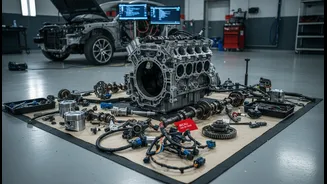
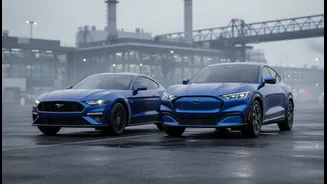
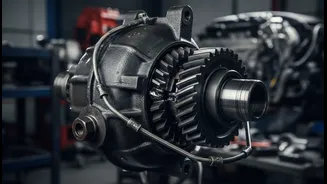
First, let's look at a traditional, physical problem. Ford has recalled nearly 43,000 Mustang Mach-E electric vehicles from model years 2021 to 2023. The issue lies deep within the drivetrain: a rear differential pinion shaft is at risk of fracturing.
This is a classic hardware failure. A critical piece of metal may not be strong enough to do its job. The consequences are serious, ranging from a sudden loss of driving power to the vehicle rolling away when it's supposed to be in park, should the parking brake not be engaged. For owners of the affected electric SUVs, the fix is equally traditional. It involves a trip to the dealership where technicians will inspect and, if necessary, replace the entire rear differential assembly. This is a hands-on, labour-intensive process that requires physical parts and service bay time, illustrating the persistent challenges of manufacturing durable mechanical components.
The Software Glitch
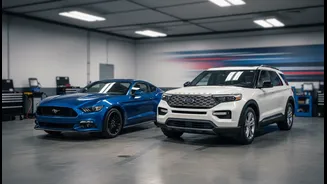
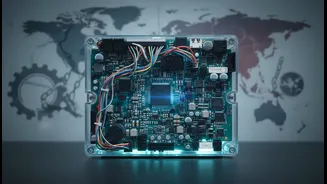
On the other side of the coin is a problem that exists only as lines of code. Ford also issued a recall for over 66,000 Lincoln Nautilus and Ford Explorer hybrids. The defect is a software error that can prevent the vehicle from making the required pedestrian warning sound when moving quietly at low speeds in electric mode. This silent failure poses a safety risk to people outside the car. What makes this recall particularly telling is that it's a recall to fix a previous recall. A software update issued in late 2025 to solve this very problem didn't work correctly, leading to this new campaign. The root cause is believed to be a communication breakdown between different audio control modules, a complex digital handshake that is failing. This highlights the frustrating and often elusive nature of software bugs, where a fix can sometimes create new, unforeseen issues.
Bytes vs. Bolts
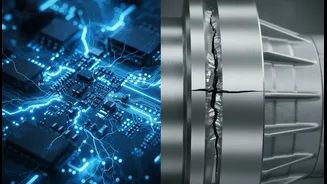
The contrast between these two recalls perfectly captures the dual-front war automakers are now fighting on quality and reliability. The Mach-E recall is about bolts; a physical component that might break. The solution involves logistics, supply chains for new parts, and the physical labour of skilled technicians. For the customer, it means scheduling a visit and leaving their car at a service centre. The hybrid recall is about bytes; faulty software logic. While some software fixes can be deployed through convenient over-the-air (OTA) updates that happen while a car sits in the owner's driveway, this particular issue requires a dealer visit to ensure the complex audio systems are corrected properly. It underscores that even software problems aren't always a simple, invisible fix. Both types of failures erode consumer trust and are costly for the manufacturer, but they stem from completely different parts of the design and production process.
A Wider Industry Challenge
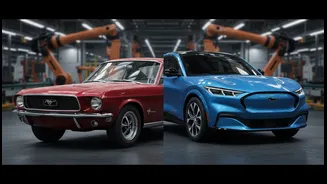
These two recalls are not just isolated incidents but part of a much larger trend for Ford, which has issued more recalls than any other automaker in the United States in 2026. The company has recalled millions of vehicles this year for a dizzying array of both hardware and software issues, from faulty wiper motors to transmission park system flaws that blend both mechanical and digital defects. This situation is a magnified version of a problem facing the entire automotive industry. As vehicles are packed with more screens, sensors, and driver-assistance features, the potential points of failure multiply. Manufacturers must ensure that a car's physical structure is sound while also guaranteeing that the millions of lines of software code controlling it are flawless. Getting one right is hard enough; mastering both simultaneously is proving to be one of the greatest challenges in modern manufacturing.