





A Landmark Quarter for Electric Cars
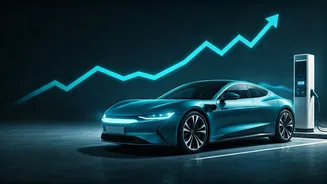
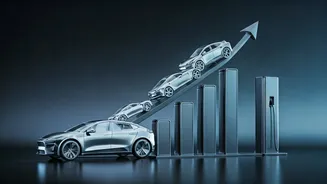
The number 82,737 represents the total electric passenger vehicle (PV) registrations in India during the April to June 2026 quarter, the first quarter of the 2027 financial year. According to official data from the Vahan portal, this figure marks an astonishing
89.3% jump compared to the 43,710 units registered in the same period last year. The momentum grew steadily throughout the quarter, with monthly registrations climbing from just under 25,000 in April to over 30,000 in June—the first time the monthly figure has crossed that threshold. This is not just incremental growth; it’s a clear indicator that electric cars are rapidly moving from a niche interest for early adopters to a mainstream consideration for the average Indian car buyer.
Fuel Prices and More Choices Tip the Scales
What’s behind this surge? A perfect storm of factors is convincing more consumers to go electric. A primary driver has been the volatility in fuel prices. Recent geopolitical tensions in West Asia have kept petrol and diesel costs high, making the lower running costs of an EV a much more attractive proposition. This has shifted the market from a “push” model, where manufacturers had to convince buyers, to a “pull” model, where consumers are actively seeking out electric alternatives. At the same time, a long-standing barrier—a lack of choice—is finally crumbling. The number of electric car models available in India has doubled over the past two years, with more than 35 models expected by next year, many in the crucial sub-Rs 15 lakh segment. This, combined with improved battery technology that now offers driving ranges of 300-450 kilometres on mid-range models, is effectively tackling the dreaded 'range anxiety' that once held buyers back.
The Titans of the EV Race
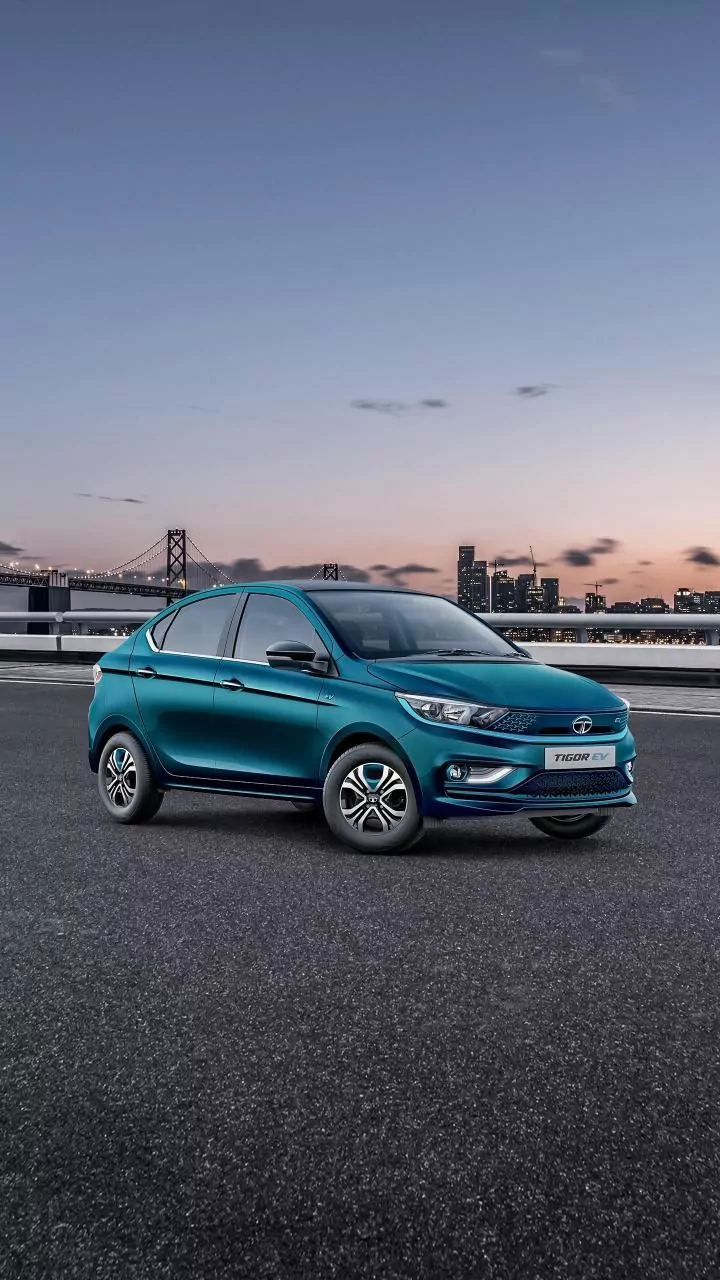
The market is currently dominated by a few key players who have invested heavily in the EV space. Tata Motors continues its reign as the undisputed leader, accounting for 32,283 registrations in the quarter—more than doubling its volume from the previous year and capturing a 39% market share. Its strategy of offering a wide portfolio, from the affordable Tiago EV to the popular Nexon EV and new Harrier EV, has paid off handsomely. Close behind, Mahindra & Mahindra has solidified its number two position, nearly doubling its registrations to 20,112 units. Together, these two Indian automakers command over 63% of the electric passenger vehicle market. The competitive landscape is heating up, however. JSW MG Motor India holds a strong third place, while Maruti Suzuki's recent entry into the EV space with its eVitara saw it record nearly 5,000 registrations in its first full quarter, signalling its intent to become a major contender.
Not Just Cars: A Broader Shift
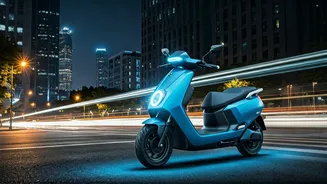
While the boom in electric cars is grabbing headlines, the revolution is happening across all vehicle segments. The electric two-wheeler market, in particular, is experiencing phenomenal growth. In June 2026 alone, India saw over 181,000 electric two-wheelers registered, which translates to more than 6,000 new electric scooters and bikes hitting the roads every single day. This segment is led by a mix of legacy giants and EV-native brands. TVS Motor has emerged as the market leader, with Bajaj Auto close on its heels. Companies like Ather Energy, Hero MotoCorp's Vida, and Ola Electric are also significant players in a fiercely competitive space. The rapid adoption in the two-wheeler category, driven by affordability and suitability for urban commutes, is a crucial part of India's overall shift towards electric mobility, creating a robust ecosystem from the ground up.
The Road Ahead: Hurdles Remain
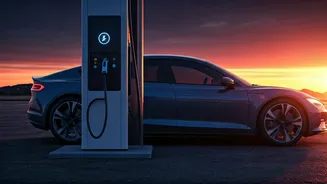
Despite the celebratory numbers, the path to mass EV adoption is not without its challenges. The most significant hurdle remains the charging infrastructure. While expanding, it is still not ubiquitous enough to eliminate all concerns, especially for inter-city travel. A recent report highlighted that nearly half of Indian homes may require electrical upgrades to support home charging, adding a potential hidden cost for new owners. Furthermore, while the total cost of ownership is becoming more favorable, the higher upfront purchase price of an EV compared to its internal combustion engine (ICE) counterpart remains a barrier for many price-sensitive buyers. Manufacturers are innovating with solutions like Battery-as-a-Service (BaaS) models to lower the initial cost, but broader market acceptance will depend on continued efforts to make EVs both accessible and convenient for everyone.