


The Numbers Tell a Story
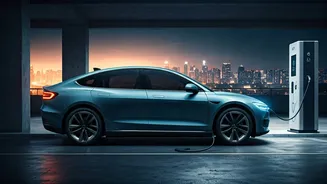
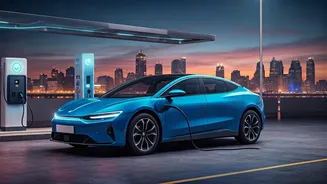
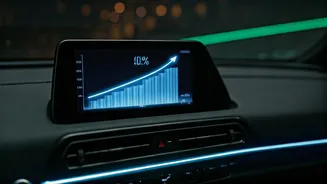
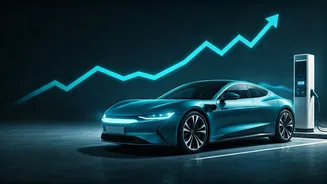
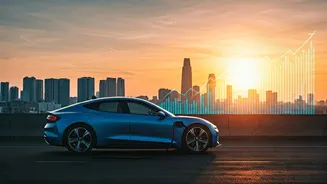
The projections for FY27 are ambitious yet grounded in current trends. Shailesh Chandra, a key executive at Tata Motors, expects electric car penetration to reach 7.5-8% of the passenger vehicle market by the end of FY27, a significant leap from the 4.5%
seen in FY26. This would translate to nearly 400,000 electric car sales in a single year, effectively doubling the market size. The first quarter of FY27 has already shown strong momentum, with registrations rising sharply. This growth isn't just a statistical blip; it signals a market moving beyond early adopters to attract mainstream buyers who are increasingly confident in EV technology.
Two and Three-Wheelers Lead the Revolution
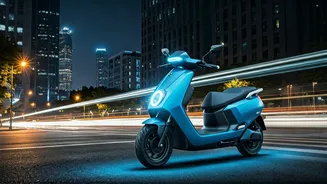
While passenger cars grab headlines, the real volume in India's EV story comes from two and three-wheelers. In 2024-25, these segments saw penetration rates of 6.1% and an impressive 23.4%, respectively. Government think-tank NITI Aayog has even put forward optimistic scenarios where electric two-wheelers could reach 100% market penetration by FY27, driven by falling battery costs and better performance. These vehicles are the workhorses of urban and semi-urban India, and their electrification represents the most significant shift in terms of sheer numbers and immediate impact on pollution and import bills. Policies like the upcoming FAME-III are expected to continue focusing on these high-volume segments.
A Policy Framework Taking Shape
This market acceleration isn't happening in a vacuum. A robust policy framework is a critical driver. Schemes like FAME (Faster Adoption and Manufacturing of Electric Vehicles) and various Production Linked Incentive (PLI) schemes are designed to make EVs more affordable and encourage domestic manufacturing. The government's goal is to see 30% of all vehicles sold be electric by 2030. This involves not just subsidies but also a concerted effort to build out a supporting ecosystem, from charging infrastructure to battery production. The upcoming FAME-III policy is expected to provide further clarity and support, continuing the push towards a self-reliant EV industry.
More Choices, Lower Costs
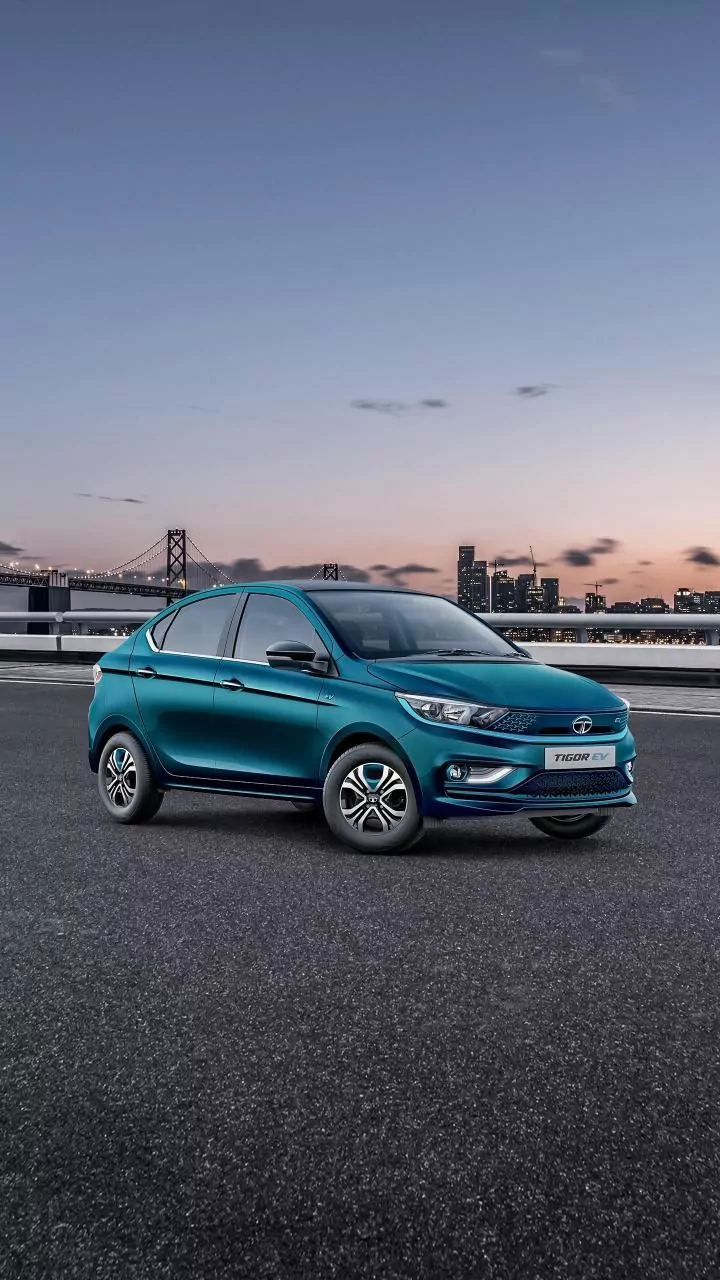
For years, a major barrier to EV adoption was the lack of choice and high upfront cost. That is rapidly changing. Carmakers like Tata, Mahindra, and Maruti Suzuki are either expanding their EV portfolios or launching new models. The recent launch of the Tata Sierra EV and the upcoming Maruti e-Vitara are testaments to this trend. As more models enter the market, competition increases, and prices begin to normalize. Furthermore, battery costs, which constitute a large portion of an EV's price, are projected to drop significantly, by as much as 25-30% by 2027. This will make entry-level EVs much more competitive with their petrol counterparts.
Challenges on the Road Ahead
Despite the optimism, the road to FY27 is not without its bumps. Charging infrastructure remains a primary concern for many potential buyers, with uneven development across the country. While the number of public chargers is growing, gaps along highways and in smaller cities create 'range anxiety'. Another significant challenge is India's dependence on imports for critical components like battery cells and semiconductors. The PLI scheme for Advanced Chemistry Cell (ACC) manufacturing, aimed at boosting domestic battery production, has had a slow start, achieving only a fraction of its target. Building a truly local and resilient supply chain is crucial for long-term success.