




A Sky-High Solution for an Ancient City
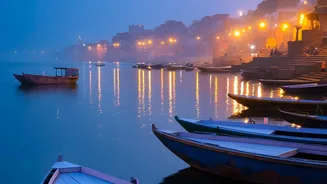
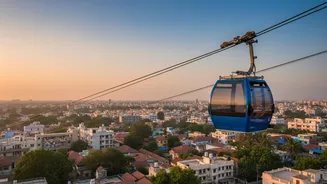
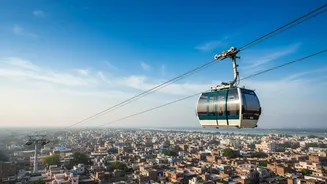
In a city where spirituality and history line every narrow lane, a modern transport solution is taking shape high above the ground. The Varanasi Ropeway, India’s first-ever public transport ropeway, is an ambitious project designed to tackle one of the city's
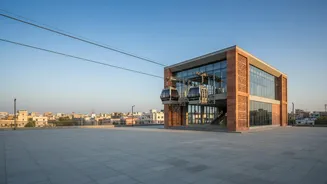
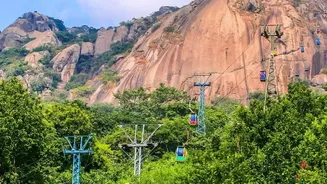
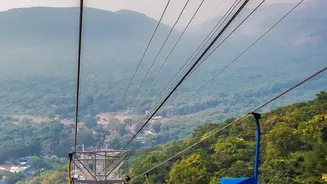
most persistent problems: crippling traffic congestion. The 3.8-kilometre aerial corridor will connect the bustling Varanasi Cantonment railway station to Godowlia Chowk, the main gateway to the Kashi Vishwanath Temple and the sacred ghats. The journey, which can currently take up to an hour by road, will be slashed to around 15-17 minutes. With a fleet of modern gondolas, the system is expected to carry thousands of passengers per hour, bypassing the choked streets below. This isn't just a tourist ride; it's envisioned as a core part of the city's mass transit system, placing Varanasi alongside a handful of global cities like La Paz, Bolivia, that use ropeways for daily urban commuting. The project represents a bold choice to preserve the city’s heritage fabric by avoiding the large-scale demolition that a metro or road-widening project would require.
The Critical Last-Mile Disconnect
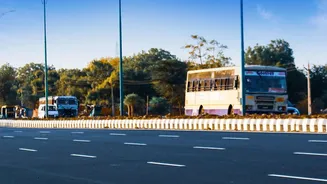
While the vision is impressive, the project's ultimate utility hangs on a simple question: what happens when passengers get off? A state-of-the-art ropeway is only as good as its connection to the rest of the city's transport network. The headline-grabbing technology in the sky must be supported by practical, well-planned infrastructure on the ground. The stations at Cantt, Vidyapeeth, Rath Yatra, and Godowlia must function as seamless multi-modal hubs, not just disembarking points. If a pilgrim arrives at Godowlia station, how easily can they find a designated, fairly priced e-rickshaw to their next destination? When a commuter gets off at Rath Yatra, is there a clear, covered walkway to a bus stop with feeder routes? Without these integrated systems, chaos will simply be relocated from the streets to the station entrances, potentially creating new bottlenecks. While official plans state that stations will integrate with other transport modes, the success of this integration will determine whether the ropeway becomes a lifeline or a novelty.
More Than Just an Engineering Feat
For the ropeway to be truly successful, the focus must shift from pure engineering to the end-to-end passenger experience. A tourist arriving at Cantt station with luggage needs a simple, barrier-free transfer to the ropeway terminal, perhaps via a foot overbridge as planned. A local resident using the service for their daily commute needs assurance that their total journey time—including the walk to the station and the wait for their connecting transport—is genuinely shorter and more convenient than taking an auto. The Varanasi Master Plan 2031 envisions strengthening public transport and creating interconnected transit systems, and the ropeway is a key piece of that puzzle. However, this requires a holistic approach. It means designated stands for autos and e-rickshaws, clear signage, integrated ticketing options, and well-lit, secure pedestrian pathways. Without this, passengers may find themselves getting off a 15-minute aerial ride only to spend another 20 minutes haggling with drivers or searching for their next ride.
Charting a Connected Path Forward
The good news is that it is not too late to ensure the ropeway's success through smart integration. The Varanasi Development Authority has already been working on various schemes to improve mobility, such as creating dedicated e-rickshaw corridors and a comprehensive Transport Nagar project. These efforts must be explicitly linked to the new ropeway stations. Planners can look to global examples where aerial transit is woven into the urban fabric. This involves creating dedicated feeder bus loops that circulate around ropeway stations, establishing pre-paid auto and taxi kiosks to prevent overcharging, and using technology for real-time information on connecting services. A single smart card or app that works across the ropeway, city buses, and even e-rickshaws would be a game-changer. By treating the ropeway not as a standalone project but as the spine of a new, integrated transport ecosystem, Varanasi can ensure this massive investment pays dividends for decades to come.