




More Than Just a Party Trick
Walking backwards, also known as retro-walking, might look unusual, but it is a legitimate practice with deep roots in ancient Chinese exercise routines and modern physical therapy. For centuries, it has been used to improve balance and stability. Today,
exercise physiologists and researchers are confirming what athletes and rehabilitation specialists have known for years: reversing your daily walk can unlock a host of physical and cognitive benefits that forward motion alone cannot provide. It’s not just about challenging your muscles in a new way; it’s about challenging your brain. This simple shift forces you to step outside your comfort zone, demanding more attention and coordination, which is where the real magic begins for both body and mind.
A Physical Reboot for Your Body
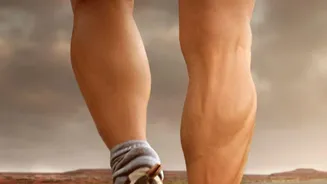
When you walk forward, your body is on autopilot. Walking backwards disrupts this pattern, forcing underused muscles to get to work. It places a greater emphasis on your quadriceps, the large muscles at the front of your thighs, helping to build strength that supports your knees. In fact, studies have shown that retro-walking can significantly reduce pain for individuals with knee osteoarthritis because it places less stress on the joints compared to forward striding. The movement also engages your calves, shins, and core muscles differently, helping to improve your overall posture and stability. Many people who sit for long hours develop postural imbalances, and walking backward can help correct this by forcing a more upright stance. As an added bonus, it’s a more intense workout, burning up to 40% more calories than walking forward at the same speed.
Rewiring Your Brain for a Sharper Mind
The benefits of walking backwards extend far beyond your muscles and joints. Because you can't see where you're going, your brain has to work harder. This heightened need for awareness enhances your proprioception—your body's ability to sense its own position in space. This increased mental engagement stimulates different areas of your brain, particularly the prefrontal cortex, which is responsible for problem-solving and decision-making. Some studies have even found a link between walking backwards and improved short-term memory and reaction times. The unfamiliarity of the movement creates a novel challenge for your nervous system, promoting neuroplasticity, which is the brain's ability to form new neural connections. Essentially, you are giving your brain a workout at the same time as your body, improving focus and cognitive flexibility.
Building Confidence in Every Step
So, how does this all translate to confidence? Mastering any new skill, especially a physical one that feels awkward at first, builds a sense of self-efficacy. When you start walking backwards, you are consciously navigating uncertainty. You are trusting your body to adapt to a new challenge. As you become more comfortable and proficient, you are not just improving your physical balance; you are building mental resilience. This newfound confidence in a different direction of movement can translate to other areas of your life. It is a physical demonstration that you can adapt, learn, and thrive outside of your habitual patterns. The process encourages you to trust your instincts and become more attuned to your body's capabilities, fostering a quiet confidence that comes from conquering a small, tangible challenge.
How to Get Started Safely
Ready to give it a try? Safety is the top priority. Start in a clear, open space free of obstacles, like an empty hallway, a quiet park, or a running track during off-peak hours. A treadmill is also a great option, as you can hold onto the handrails for support and control the speed. Begin slowly. For your first few attempts, walk for just a minute or two. Keep your steps small and deliberate, rolling your foot from toe to heel, the opposite of your forward stride. Maintain an upright posture and resist the urge to twist your body too much to look behind you; instead, glance over your shoulder periodically. As you get more comfortable, you can gradually increase your speed and duration. Aim for sessions of 10-15 minutes a few times a week to start reaping the benefits.