


A Return to the Source
For generations, the 'farm-to-table' philosophy has guided conscientious kitchens. But now, a deeper, more elemental trend is taking root: 'forest-to-table'. This movement sees chefs venturing beyond familiar supply chains to embrace ingredients that
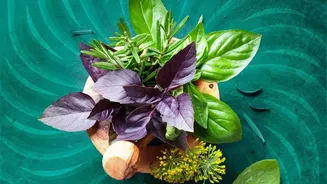
grow wild. It’s a shift from cultivated, predictable produce to the exciting unpredictability of foraged goods. This isn't about novelty for its own sake; it's a conscious effort to create dishes that tell a story of a specific place and season. By using wild greens, mushrooms, and seasonal forest produce, chefs are creating a direct link between their plates and the natural landscape, offering diners a literal taste of the wild.
The Pioneers of the Wild Pantry
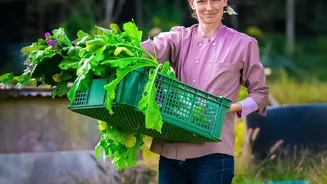
Across India, several culinary leaders are championing this philosophy. Chef Radhika Khandelwal of Fig & Maple has been a vocal advocate for exploring ingredients outside the mainstream, driven by a curiosity for flavours known for generations by indigenous communities but forgotten by urban kitchens. In Bengaluru, Farmlore, ranked among Asia's best restaurants, operates on a 37-acre farm, with a menu dictated by the seasonal harvest, featuring everything from local berries and ferns to charred greens. Similarly, Harshita Kakwani, who moved to the forests of Madhya Pradesh, began foraging and using ingredients like Mahua flowers, eventually establishing an initiative to support local farmers and women in forest communities. These chefs are not just cooking; they are acting as culinary archivists and environmental advocates.
A Taste of India's Wild Side
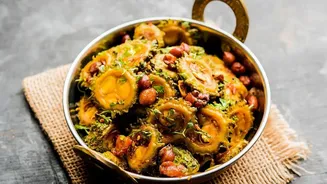
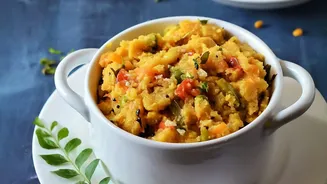
The ingredients finding their way into modern Indian kitchens are as diverse as the country's ecosystems. In the Himalayas, chefs are using wild garlic chives (skotse) and Himalayan caraway (kosnyot). In Maharashtra, the monsoon brings takla, a wild green with a pleasant bitterness, while Uttarakhand offers the delicate golden berry known as hisalu. Further south, moringa and gongura (roselle leaves) have long been staples in rural diets and are now being celebrated on fine-dining menus. Even ingredients like the flowers of the Mahua tree and various bamboo shoots are being fermented, pickled, and reimagined, bringing ancient flavours to a contemporary audience.
Connecting with Ancient Knowledge
This trend is about more than just flavour; it’s a vital bridge to the past. Foraging has been a way of life for indigenous and tribal communities across India for centuries. These communities hold invaluable knowledge about local ecosystems, passed down through generations. By seeking out these ingredients, chefs are also seeking out this wisdom. It has led to collaborations and workshops where culinary professionals learn directly from tribal communities about identifying, harvesting, and preparing wild foods. This exchange is crucial, as much of this traditional knowledge is at risk of being lost. It transforms the chef's role from a simple creator to a custodian of cultural heritage, ensuring that the stories and practices of these communities are acknowledged and preserved.
A Sustainable and Responsible Path
The forest-to-table movement also carries a powerful message of sustainability. Relying on wild, seasonal produce reduces dependence on industrial agriculture and its associated carbon footprint. However, this practice comes with a significant responsibility. Chefs and foragers stress the importance of ethical harvesting—taking only what is needed and understanding the ecosystem to avoid depleting resources. The goal is not to commercialise and exploit these wild pantries, but to build respectful, sustainable relationships with the environment and the communities who have been its traditional guardians for centuries. It’s a delicate balance of discovery and preservation, ensuring that these ingredients remain for generations to come.