

Embrace the Half-Batch Mindset
Most recipes are designed to serve four, six, or even eight people. The obvious solution is to just divide everything by two or four, but it's not always that simple. Embracing a half-batch mindset is about more than just math; it’s a strategic choice.
Start by choosing recipes that are easy to scale down, such as soups, stews, chilis, and grain bowls. These are forgiving and don't rely on precise chemical reactions. When you do decide to halve a recipe, take a moment to write down the new measurements before you start cooking. This prevents confusion and mistakes mid-process, like accidentally adding the full amount of salt to a half-sized dish. The goal isn't just to make less food, but to cook with intention and efficiency.
The Art of Scaling Down
Successfully halving a recipe requires a few key adjustments. First, use smaller cookware. A small portion of food in a large pan can cook too quickly or evaporate, so using an appropriately sized pot or baking dish is crucial. Second, adjust your cooking time. Smaller portions generally cook faster, so start checking for doneness earlier than the original recipe suggests. An instant-read thermometer can be your best friend here. Be cautious with seasonings like salt and spices, which don't always scale linearly. A smaller volume of liquid reduces faster, concentrating flavors. Start with slightly less seasoning than your calculation suggests—you can always add more later.
Mastering the Shared Ingredient
The second pillar of smart solo cooking is planning meals around shared ingredients. Instead of buying a specific set of ingredients for one single recipe, think about how one key purchase can anchor several different meals. For example, a whole roasted chicken on Sunday can become chicken salad for Monday's lunch, and the leftover meat can be thrown into a quick stir-fry or quesadillas later in the week. This strategy, sometimes called ingredient overlap, drastically reduces food waste and simplifies your grocery list. A bunch of kale can be used in a smoothie, a salad, and sautéed as a side dish. A can of chickpeas can be roasted for a snack, mashed into hummus, or added to a curry. This approach ensures that you use up what you buy.
Plan Components, Not Just Meals
To give yourself flexibility and avoid getting bored, try prepping components instead of entire pre-portioned meals. Spend a little time on the weekend making a batch of a versatile grain like quinoa or rice, roasting a tray of mixed vegetables, and mixing a simple vinaigrette. These pre-prepped building blocks can be combined in different ways throughout the week. That roasted chicken, quinoa, and roasted vegetables can become a warm grain bowl one night. The next day, you can mix the chicken with a different sauce and serve it with a fresh salad. This modular approach allows for variety and creativity without requiring you to cook a full meal from scratch every single day, which is a common barrier for those cooking for one.
Stocking Your Solo Kitchen
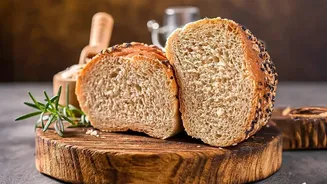
A well-stocked pantry and freezer are essential for a solo cook. Your freezer is your best friend for preserving leftovers and ingredients. Cook a full-batch of chili or soup? Freeze it in single-serving portions for a quick meal another day. You can also freeze individual portions of meat, bread, and even sauces in ice cube trays. For your pantry, focus on staples that have a long shelf life. Oils, vinegars, dried herbs, spices, canned beans, tomatoes, and grains are all smart buys. When it comes to fresh produce, buy only what you have a plan for in the next few days to avoid spoilage. Learning to shop with purpose is a key skill that saves money and prevents waste.