




The Allure of the Mountain Lake
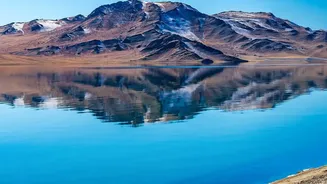
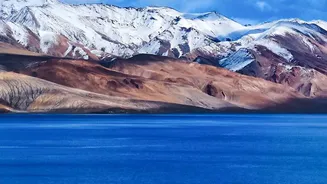
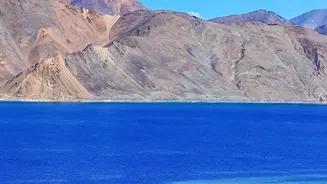
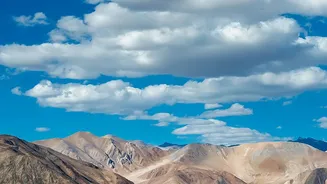
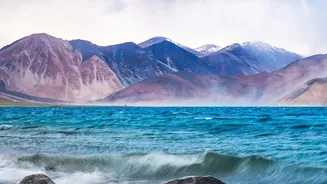
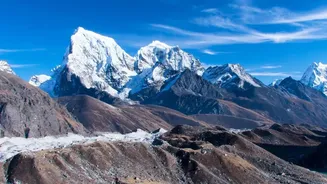
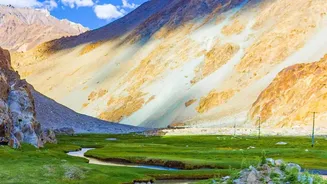
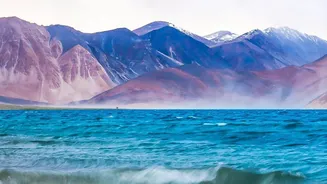
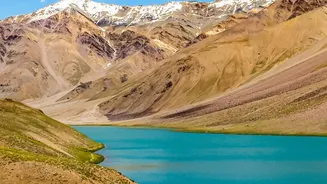
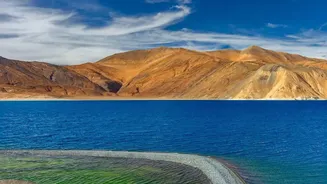
At an altitude of 4,522 metres, Tso Moriri is the largest high-altitude lake entirely within India. Its deep blue waters are surrounded by arid, snow-dusted mountains, creating a landscape of stark, mesmerising beauty. This protected wetland reserve is not
just a visual spectacle; it is a vital ecological hub. It's the only breeding ground in India for the endangered Black-necked Crane and a crucial habitat for other migratory birds like the Bar-headed Goose. The area is also home to the Changpa nomads, who have lived in harmony with this environment for centuries, grazing their pashmina goats on its shores. Its relative remoteness means it sees fewer tourists than Pangong Tso, offering a more tranquil and profound connection with nature.
Permits and Fees for 2026
Access to Tso Moriri is regulated due to its proximity to the Line of Actual Control. For Indian tourists, the process has been simplified. As of 2026, a stamped Inner Line Permit (ILP) is no longer required. Instead, Indian citizens must pay the Ladakh Environment Fee online. This consists of a one-time environment fee of ₹400 and a wildlife fee of ₹20 per person per day. The receipt can be obtained from the official Leh administration portal (lahdclehpermit.in) and must be carried during travel. Foreign nationals, including OCI/PIO card holders, require a Protected Area Permit (PAP). This must be arranged through a registered travel agent in Leh and typically requires a minimum of two people travelling together. The PAP is usually valid for seven days.
Routes and Current Road Conditions
Reaching Tso Moriri is an adventure in itself, typically taking 7-8 hours from Leh. The most common and reliable route is via Chumathang, covering about 220-240 km. This road is accessible for most of the year and is generally in good condition, making it suitable for all types of vehicles. Another popular option for those returning from Pangong Tso is the direct route via Chushul and Nyoma. This scenic journey through the Changthang wilderness is more rugged, with unpaved sections and water crossings, making a high-ground-clearance vehicle highly advisable. A third route approaches from the Manali-Leh highway, turning off at Debring towards Tso Kar, but this is more often used when exiting towards Manali. Fuel is scarce, so it is essential to fill up in Leh or Karu. A new petrol pump in Nyoma, operational since 2024, has provided a crucial refuelling point for those on the Changthang circuit.
Best Time to Visit and What to Expect
The ideal window to visit Tso Moriri is from May to September. During these months, the weather is pleasant, with daytime temperatures ranging from 10 to 25 degrees Celsius, and the roads are reliably open. June to August is the peak season. For photographers and those seeking solitude, September is arguably the best month. The skies are exceptionally clear, the lake’s blue hues are at their most vibrant, and the tourist crowds have started to thin out. From late October, the cold intensifies, and most tented camps and guesthouses close down for the harsh winter, when temperatures can plummet to -30 degrees Celsius.
Staying in Korzok: Accommodation and Acclimatisation
All accommodation for Tso Moriri is located in the small village of Korzok, on the lake's northwestern shore. As a protected Ramsar site, no construction or camping is allowed directly on the lake banks. Options range from family-run homestays offering an authentic cultural experience to comfortable tented camps and a few guesthouses or hotels. Facilities are basic; electricity is usually available only for a few hours in the evening, and there are no ATMs, so carrying enough cash from Leh is crucial. Most importantly, acclimatisation is non-negotiable. At over 15,000 feet, the risk of Acute Mountain Sickness (AMS) is high. It is strongly recommended to spend at least two nights in Leh (at 11,500 feet) before ascending to Tso Moriri to allow your body to adjust.
A Plea for Responsible Travel
The increasing popularity of Tso Moriri poses a threat to its fragile ecosystem. Issues like plastic waste, disturbance to nesting birds, and the impact of vehicles are growing concerns. Conservation groups and local authorities are actively promoting responsible tourism. Visitors are urged to follow Leave No Trace principles: carry all your garbage back with you, do not drive off-road, minimize plastic use, and respect wildlife by keeping a safe distance. Staying in local homestays is a great way to support the community directly. The future of this high-altitude wonder depends on the mindful actions of every person who has the privilege of visiting.