




How Layers Create the Illusion of Fullness
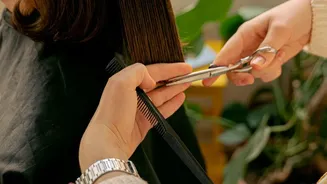
The core principle behind layering for volume is simple: it creates movement and dimension. A one-length cut can cause fine hair to hang like a curtain, weighing itself down and appearing flat. By cutting certain sections of hair at different lengths,
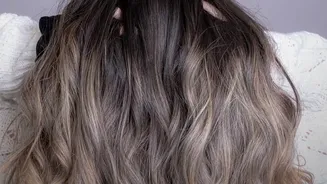
a stylist removes that weight, allowing the roots to lift and creating space between the strands. This variation in length catches light differently and encourages the hair to move more freely, which the eye perceives as texture and body—in other words, a fuller head of hair.
The Fear Is Real: When Layers Go Wrong
There's a common and valid fear among those with fine hair: will layers make my hair look even thinner? The answer is that they can, if done improperly. The wrong kind of layers—such as short, aggressive, or choppy layers—can remove too much bulk from the ends, making the hair appear sparse, stringy, and weak. Similarly, razor cuts can destroy the delicate texture of fine hair. This is why the type of layer and the technique used are far more important than the simple decision to get them. The goal is to add movement, not to remove precious density from the perimeter.
The Right Cut: What to Ask For
To get the volumizing benefits without the risk, communication with your stylist is key. Instead of simply asking for "layers," use more specific language. Ask for long, soft layers that are seamlessly blended to create movement without sacrificing length. Another game-changing technique is known as "internal" or "ghost" layers. This method involves cutting subtle layers hidden underneath the top section of your hair. It removes weight internally, allowing the hair to have more bounce and lift while keeping the ends looking full and solid. Bringing in photos of layered cuts on similar hair types can also be incredibly helpful.
Popular Styles That Work for Fine Hair
Certain styles are particularly well-suited for adding volume to fine hair. A soft layered bob, especially one that is chin-length or a longer lob, can create a fuller shape by adding movement around the face. Face-framing layers or long, curtain-style bangs can also add dimension and draw attention upward, giving the impression of more lift at the crown. For those who prefer longer hair, light, feathery layers that start from the mid-lengths down can provide texture and bounce without making the ends look thin.
Styling Your Layers for Maximum Impact
A great cut is the foundation, but styling brings it to life. To maximize the volume from your new layers, start with a volumizing mousse or root-lifting spray on damp hair. One of the most effective techniques is to blow-dry your hair upside down, which lifts the roots directly away from the scalp. When your hair is about 90% dry, flip it back up and use a round brush to smooth the ends and create a polished finish. A spritz of texturizing spray on dry hair can also help enhance the separation in your layers and provide a lasting lift throughout the day.