






A Vision for Dominance
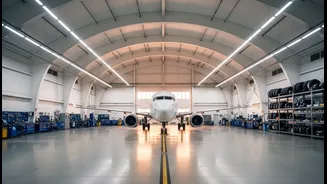
Since returning to the Tata Group in 2022, Air India has embarked on an ambitious five-year transformation journey named 'Vihaan.AI'. The centerpiece of this revival is a monumental order for 470 new aircraft from Airbus and Boeing, with options that
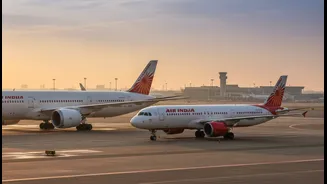
could push the total to over 570. This isn't just a fleet renewal; it's a strategic repositioning. The group has now consolidated its aviation assets, merging the premium Vistara into Air India and combining its budget operations, AIX Connect (formerly AirAsia India), into Air India Express. The result is a simplified two-airline model: one full-service carrier and one low-cost carrier, both poised for aggressive growth. This structure allows the group to attack the market from both ends, a strategy aimed at establishing itself as India's leading aviation player both domestically and internationally.
The Premium Push: Air India Reimagined
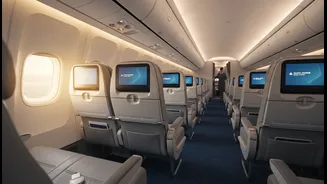
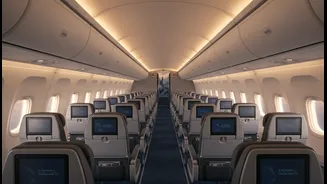
The reimagined Air India is being positioned as a world-class, full-service airline. This premium arm is set to receive the fleet's long-haul flagships: the Airbus A350s, Boeing 777-9s, and Boeing 787 Dreamliners. These wide-body aircraft are crucial for expanding its international network and competing with global giants on lucrative routes to Europe, North America, and Asia. The merger with Vistara, completed in late 2024, was a key step in this process, integrating Vistara's reputation for high service standards and its modern fleet. To elevate the passenger experience, Air India is also investing heavily in retrofitting its older wide-body aircraft with new cabins, seats, and premium economy sections, a project expected to be completed by mid-2027. The goal is to offer a consistent, high-quality product that can justify premium fares and win over business and leisure travelers on long-haul journeys.
The Low-Cost Engine: Air India Express
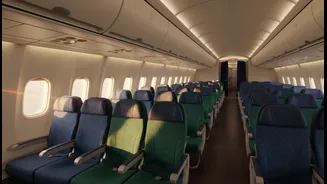
On the other side of the strategy is the invigorated Air India Express. This consolidated low-cost carrier (LCC) is tasked with conquering India's booming domestic market and short-haul international routes, primarily to the Middle East and Southeast Asia. To do this, it will be the primary recipient of the new narrow-body aircraft: 190 Boeing 737 MAX jets and a significant portion of the 210 Airbus A320/321neo family aircraft. This massive fleet infusion is designed to give Air India Express the scale to compete directly with IndiGo, the current market leader. The strategy is to offer budget-friendly fares without compromising on network and reliability. Recent news shows this strategy in action, with Air India Express set to take over many of Air India's domestic routes from smaller cities like Bhopal, offering more competitive fares and strengthening connectivity.
What This Means for the Indian Flyer
For passengers, this dual-brand approach promises more choice and clarity. Those seeking comfort, premium service, and long-haul connectivity will find a revitalised Air India, complete with modern cabins and a global network. Meanwhile, budget-conscious domestic and regional travellers will have a strengthened Air India Express, with a vast network and competitive pricing. The clear separation of services aims to eliminate brand confusion and cater to distinct market segments. However, the transformation is not without challenges. The airline group faces significant financial pressures and potential delays in aircraft deliveries due to global supply chain issues. But the plan is clear: create a full-service carrier that can be a global standard-bearer and a low-cost carrier that can win on volume, giving every type of Indian traveller a compelling reason to fly with the Maharaja again.