





The Promise of E20 Fuel
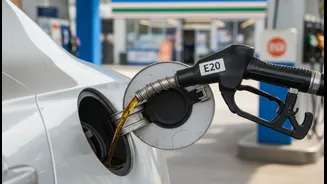
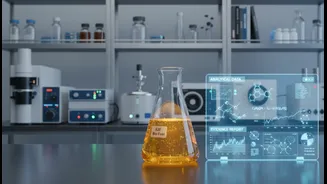
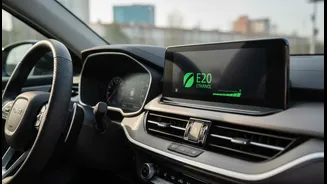
The Ethanol Blended Petrol (EBP) Programme is a key part of India's strategy to enhance energy security, reduce dependency on imported crude oil, and lower carbon emissions. E20, a blend of 20% ethanol and 80% petrol, is at the forefront of this initiative.
The government has successfully rolled out E20 across the country, meeting its target well ahead of the original 2030 deadline. The program is credited with significant foreign exchange savings and providing better income for farmers who cultivate the crops used for ethanol production. Officials also point to benefits like a higher octane rating and cleaner engine operation as wins for the consumer.
The Chemical Quirk: Ethanol's Thirst for Water
The current debate stems from a fundamental property of ethanol: it is hygroscopic. This means it naturally attracts and absorbs water molecules from its surrounding environment. While regular petrol does not mix easily with water, the ethanol in E20 acts as a bridge, allowing water to be absorbed into the fuel. This property is well-known and accounted for in fuel quality standards, but it becomes problematic when the fuel is exposed to excess moisture. This is where the monsoon and the design of fuel storage infrastructure come into play.
Monsoon, Moisture, and Phase Separation
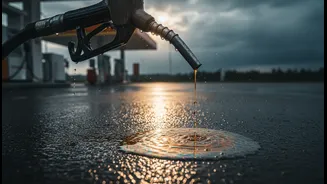
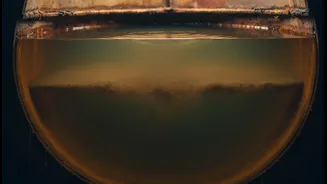
During the monsoon, humidity is high and the chances of rainwater seeping into underground storage tanks at petrol pumps increase. According to industry experts and concerned pump owners, if the water content in an E20 storage tank exceeds just 0.5%, a process called 'phase separation' can occur. The ethanol, with its strong affinity for water, separates from the petrol and sinks to the bottom of the tank, forming a distinct layer of a water-ethanol mixture. The petrol, now with a lower octane rating, floats on top. Since dispensing units draw fuel from the bottom of the tank, there's a risk that vehicles could be filled with this water-rich mixture instead of the proper E20 blend.
The View From the Fuel Station
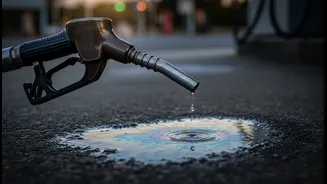
Petrol pump owners, particularly in coastal areas and regions with heavy rainfall, have raised alarms. They report that customers return with complaints of vehicles stalling or failing to start after a refuel, which is how they often discover the contamination. These dealers now face the financial burden of discarding contaminated fuel, with some reporting losses of hundreds or even thousands of litres. They have been instructed to increase the frequency of checking their tanks for water, a process involving dipsticks with water-finding paste. Some also fear that the existing underground tanks, originally designed for conventional petrol, may be more susceptible to corrosion from the water-absorbing nature of ethanol.
Navigating the Road Ahead
In response, government officials and industry bodies like the Federation of Automobile Dealers Associations (FADA) maintain that E20 fuel itself meets stringent quality specifications set by the Bureau of Indian Standards (BIS). They argue that water ingress is undesirable for any type of fuel and that the issue lies with storage infrastructure, not the fuel's composition. Oil Marketing Companies (OMCs) have taken some steps, like replacing seals and washers in dispensing units to make them more compatible with E20. However, the ongoing incidents highlight a critical need for upgraded storage infrastructure and rigorous maintenance protocols to ensure the integrity of the fuel from the refinery to the vehicle's tank.