


A Return to the Source
For years, the 'farm-to-table' concept has been a celebrated philosophy in dining. But now, a growing number of Indian chefs are pushing the boundaries further, moving past cultivated fields and into the nation’s forests. This 'forest-to-table' movement
is not merely about finding novel flavours; it’s a conscious effort to reconnect with a vast and often overlooked repository of culinary wisdom held by indigenous and agrarian communities. Chefs are realising the importance of understanding ingredients in their natural environment, seeking out wild greens, mushrooms, flowers, and fruits that have sustained communities for centuries but have rarely appeared on fine-dining menus. This shift represents a deeper curiosity about India's immense biodiversity and a desire to create a cuisine that is both modern and primordially Indian.
The Taste of the Wild
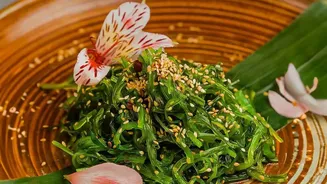
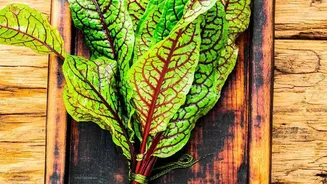
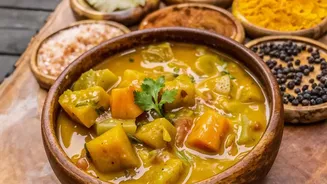
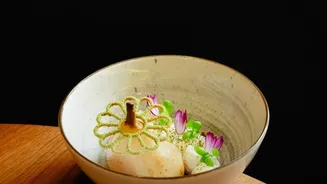
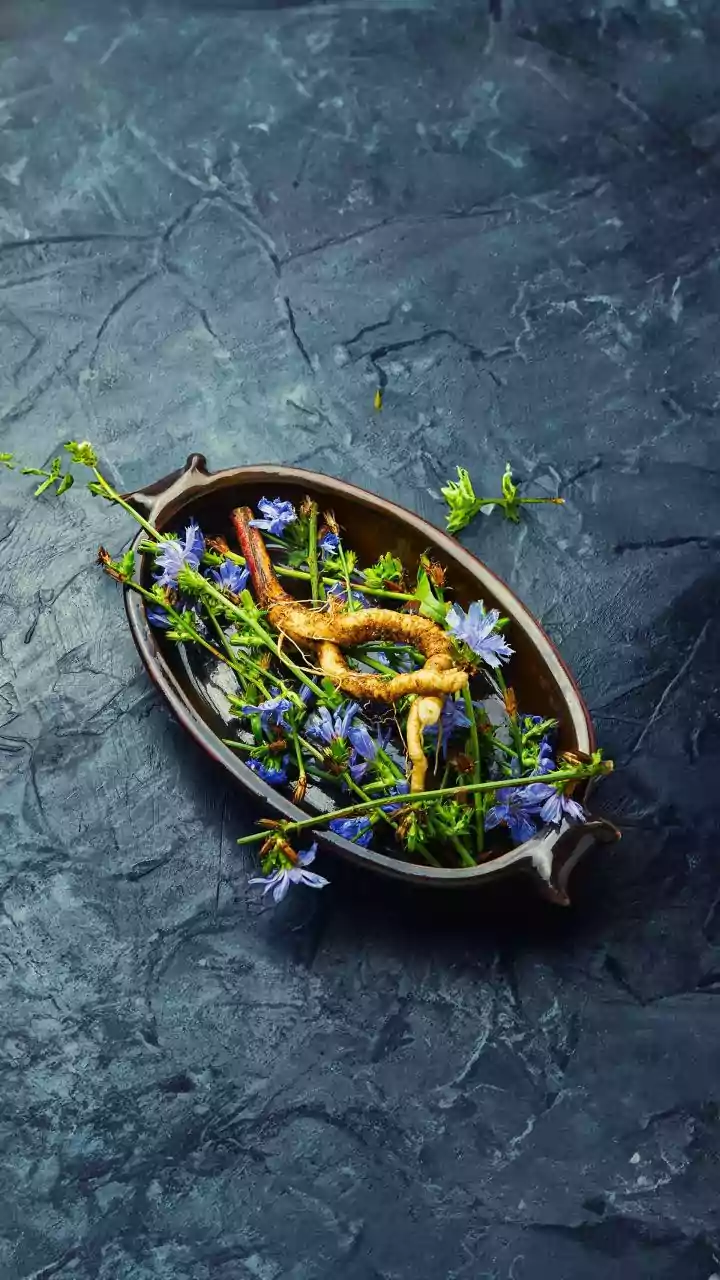
So what do these forest ingredients look like on a plate? In Nagaland, chefs have been inspired by local traditions of foraging for ingredients like Timur pepper and stinky beans. In Uttarakhand, the fragile golden berry known as Hisalu, which is too delicate for long-distance transport, offers a true taste of place. Similarly, fiddlehead ferns, called lingaru or lingdi in different regions, are being stir-fried and pickled in urban restaurants, bringing a taste of the Himalayas and the Northeast to a wider audience. Perhaps one of the most versatile comeback ingredients is the mahua flower. Traditionally used by Adivasi communities to make beverages and sweets, these naturally sweet, honey-like blossoms are now being incorporated into everything from curries and ice cream to sophisticated vinegar.
More Than a Meal: Reviving Knowledge
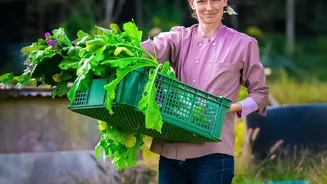
This trend goes far beyond just introducing new ingredients. It's about preserving centuries of tribal knowledge. Foraging has always been a way of life in India, not a trend discovered from the West. Communities across the country have relied on food from local forests, possessing deep knowledge about edible plants, their seasonality, and preparation methods. However, this wisdom is at risk of disappearing as it is less consistently passed between generations. Chefs like Radhika Khandelwal of Fig & Maple and Gayatri Desai of Ground Up are actively working to document and preserve these traditions. By travelling to interior regions and building relationships with local communities, chefs are learning not just about ingredients, but about sustainable harvesting and traditional cooking techniques—knowledge they then share with diners.
A Conscious Plate
The embrace of forest ingredients is also a powerful statement on sustainability and responsibility. Many of these wild foods are inherently nutritious, seasonal, and environmentally friendly. Chef Thomas Zacharias, founder of The Locavore, emphasizes that this connection to tribal heritage carries indigenous wisdom that ties food directly to ecology and resilience. Foraging, when done responsibly, promotes biodiversity. The movement also carries an ethical dimension. Chefs and food activists highlight the importance of giving credit and ensuring economic benefits flow back to the forest communities who have been the custodians of this knowledge for generations. It is a shift away from commercialised foraging and towards building meaningful, respectful relationships with local foragers and farmers.
The Future of Indian Food
By placing a wild green that was once part of simple home cooking onto a carefully plated menu, chefs are changing the narrative of what constitutes luxury and innovation in Indian food. It's a move away from homogenous, globalised menus towards something deeply personal and rooted in a specific landscape. A dish made with foraged ingredients can tell you exactly where you are, creating a culinary postcard of a region's unique ecosystem. This revival is demonstrating that some of India's oldest food traditions may hold the key to the future of sustainable and authentic dining. It challenges both chefs and diners to look closer, to appreciate the incredible diversity in their own backyards, and to recognise that the most exciting new flavours might just be the most ancient ones.