


The Magic of the Winter Window
The period from October to March transforms the Chambal Valley into a haven for wildlife and visitors alike. The oppressive heat of the Indian plains gives way to pleasant, cool days and comfortable temperatures, making boat safaris an absolute delight.
The water levels in the river stabilize after the monsoon, resulting in calmer flows and clearer visibility. This combination of factors creates the perfect conditions for wildlife spotting. The gentle winter sun coaxes reptiles out onto the riverbanks to bask, while the serene environment encourages more activity from the region's shyer inhabitants. It is, without a doubt, the peak season to witness the sanctuary in its full glory.
Stars of the Show: Dolphins and Gharials
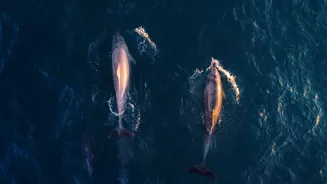
The National Chambal Sanctuary is a critical refuge for some of India's most endangered species. Its primary attraction is the Ganges River Dolphin, a functionally blind freshwater dolphin that navigates using echolocation. Spotting these elusive creatures as they briefly break the surface is a truly special experience. Equally magnificent is the Gharial, a critically endangered fish-eating crocodile with a distinctive long, thin snout. During the winter months, visitors can see large numbers of these prehistoric-looking reptiles basking on the sandy banks and mid-river islands, a sight that has become incredibly rare elsewhere in the subcontinent. The clean, unpolluted waters of the Chambal are the secret to their survival here.
A Paradise for Birdwatchers
For bird lovers, the Chambal during winter is nothing short of paradise. The sanctuary is recognised as an Important Bird Area, hosting over 320 species. This is the time when the resident avian population is swelled by the arrival of thousands of migratory birds fleeing the harsh winters of Central Asia, Siberia, and Europe. Flocks of Bar-headed Geese, known for flying over the Himalayas, can be seen alongside the striking Ruddy Shelduck. The river is also one of the most reliable places in the world to spot the endangered Indian Skimmer, which glides low over the water, slicing the surface with its unique bill. Other visitors include Greater Flamingos, various species of pochards, terns, and waders, creating a vibrant, noisy, and unforgettable spectacle.
Planning Your Chambal Safari
A trip to Chambal is easily accessible, located at the tri-point of Uttar Pradesh, Madhya Pradesh, and Rajasthan, with Agra being a common gateway. The primary way to explore the sanctuary is via a boat safari, which offers an intimate and unobtrusive way to view wildlife. These safaris are typically guided by local naturalists who are experts at spotting animals and navigating the river with minimal disturbance. Safaris can last a few hours and are best taken in the morning or late afternoon when animal activity is at its peak. Several lodges and tour operators in the area offer packages that include safaris, accommodation, and transport. It is advisable to book in advance, especially during the peak months of December and January.
Travel with a Conscience
The Chambal's pristine ecosystem is a precious and fragile treasure. As a visitor, you play a role in its preservation. Opt for registered tour operators who follow ethical wildlife viewing guidelines, ensuring boats maintain a respectful distance from animals. Adhere to the 'leave no trace' principle by carrying out all your litter and avoiding the use of single-use plastics. Supporting local communities by staying at eco-lodges and buying local handicrafts ensures that tourism benefits the people who are the frontline guardians of this incredible habitat. Responsible tourism is what has kept the Chambal a success story, allowing future generations to experience its wild wonders.