







As festivals approach, homes fill with the aroma of sweets and savouries. But behind these celebrations is a massive, unseen effort to ensure our food is safe. In 2025-26, authorities conducted a staggering number of inspections to make it happen.
Why Festivals Are a High-Risk Period
The
festive season in India brings a massive surge in demand for food items like milk, khoya, paneer, ghee, and edible oils. This spike creates a powerful economic incentive for some unscrupulous businesses to cut corners. To meet the soaring demand and maximise profits, they may resort to adulteration—mixing cheaper, substandard, or even harmful substances into food products. Common practices include bulking up khoya with starch, mixing vanaspati into ghee, or using non-permitted, hazardous colours in sweets. In past years, authorities have noted that poor storage of seasonal items like kuttu atta (buckwheat flour) can lead to fungal contamination, causing food poisoning incidents during festivals like Navratri. This makes proactive and widespread inspections not just a regulatory task, but a critical public health necessity.
A Coordinated National Effort
The daunting task of policing India's vast food market falls to a two-tiered system. At the top is the Food Safety and Standards Authority of India (FSSAI), which sets the nationwide standards for food quality and safety. However, the on-ground execution—the inspections, sample collections, and enforcement—is primarily carried out by the Food Safety Departments of each state and union territory. For major events like the festive season, FSSAI often directs states to conduct special, intensified surveillance drives. This collaborative model allows for a combination of centralised strategy and localised action, ensuring that Food Safety Officers are deployed to markets, manufacturing units, and sweet shops across the country. The headline figure of over 5.2 lakh inspections in 2025-26 reflects the combined efforts of these central and state bodies working in tandem.
Inside the Inspection Process
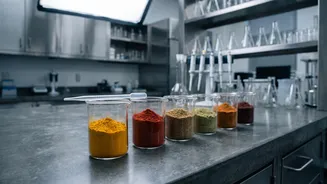
When a Food Safety Officer enters a shop or production facility, they are looking for several red flags. The process involves more than just a visual check. Officers are often equipped with 'Food Safety on Wheels' (FSW) mobile testing labs. These vehicles carry equipment for on-the-spot testing of common adulterants in products like milk, oil, and spices, allowing for rapid screening. For more detailed analysis, officers collect statutory samples, which are then sent to accredited laboratories. These lab tests can detect a wider range of contaminants, non-permitted additives, and microbial contamination. Inspections also cover hygiene conditions, proper storage, and whether the business has a valid FSSAI license. All data from inspections and sample results are uploaded to a central digital platform called FoSCoS, ensuring real-time monitoring and accountability.
What the 5.2 Lakh Inspections Uncovered
A massive number of inspections inevitably uncovers significant non-compliance. While specific data for the 5.2 lakh figure is consolidated, reports from the 2025-26 period show a consistent pattern. For example, up to the third quarter of that fiscal year, nearly 4 lakh inspections were conducted, with over 17% of the 1.65 lakh samples tested found to be non-conforming. Common findings during such festive drives include the seizure and destruction of thousands of kilograms of adulterated khoya and paneer. Adulterants range from starch in milk products and chalk powder in sugar to inedible oils mixed into cooking oil. These drives also identify businesses operating without the mandatory FSSAI license or in unsanitary conditions.
Penalties and Consumer Awareness
The consequences for food adulteration can be severe. Under the Food Safety and Standards Act, 2006, penalties range from monetary fines to imprisonment. Selling misbranded food can attract a penalty of up to ₹3 lakh, while manufacturing under unhygienic conditions can lead to a fine of ₹1 lakh. For adulteration that causes grievous injury or death, the punishment can extend to life imprisonment and fines of ₹10 lakh or more. Beyond punishing offenders, these drives also serve to educate the public. FSSAI runs awareness campaigns and the 'Food Safety on Wheels' vans double as information hubs, teaching consumers simple tests they can do at home to detect common adulterants and encouraging them to report suspicious products.