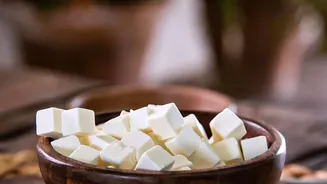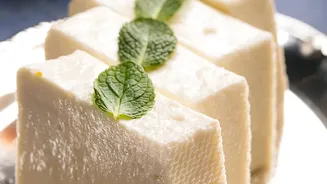




The Widespread Problem of Fake Paneer
The reason for the increased scrutiny is simple: a widespread and alarming rise in adulterated paneer. Driven by the high cost of milk and intense market competition, some manufacturers cut corners to boost profits. This 'fake' or 'analogue' paneer is often
made using cheaper ingredients like starch, vegetable oils such as palm oil, skimmed milk powder, and sometimes even harmful substances like detergent and urea to mimic the texture and appearance of real paneer. Food safety authorities have conducted raids and sample tests that reveal a troubling reality. For instance, between April 2024 and March 2025, a staggering 83% of paneer samples tested across India failed to meet food safety standards. In states like Maharashtra and Gujarat, authorities have seized tonnes of spurious paneer, leading to a major crackdown.
What New Checks and Regulations Mean
In response, food safety bodies, including the Food Safety and Standards Authority of India (FSSAI) and state-level Food and Drug Administrations (FDAs), are intensifying their efforts. This includes more frequent surprise inspections at manufacturing units, dairies, sweet shops, and restaurants. The state of Maharashtra has taken a particularly strong stance, recently banning the manufacture and sale of 'analogue' or non-dairy paneer altogether. Violators face stiff penalties, including fines and potential jail time. Furthermore, eateries in the state are now required to explicitly declare on their menus if they are using an analogue substitute instead of real milk-based paneer. This move is designed to ensure consumer transparency, preventing establishments from passing off a cheaper, nutritionally different product as the real thing.
How to Spot Adulterated Paneer Yourself
While regulators are stepping up, consumers can also become more vigilant. There are several simple tests you can do at home to check the quality of your paneer. Real paneer has a soft, slightly crumbly texture and will break when you apply pressure. Fake paneer often feels rubbery, overly smooth, or spongy. A simple iodine test can detect starch: just boil a small piece of paneer in water, let it cool, and add a few drops of iodine solution. If it turns blue or black, it's a sign of adulteration with starch. Another clue is the smell and taste; pure paneer has a mild, milky aroma, whereas fake paneer might have a chemical smell or taste oily. When heated, real paneer melts uniformly, while paneer made with vegetable fat may release excessive oil.
The Impact on Consumers and Businesses
These stricter checks will likely have a ripple effect. For consumers, the most significant benefit is the promise of safer, higher-quality food. Knowing that the paneer you buy is genuine provides peace of mind and protects against potential health risks associated with adulterants, which can range from digestive issues to long-term organ damage. However, there could be short-term downsides. A crackdown on low-cost, fake paneer might lead to a temporary reduction in supply and potentially higher prices for genuine paneer as production costs for honest businesses are higher. For restaurants and shops, the new regulations demand greater accountability. They must now ensure their supply chains are clean and transparently communicate with customers, or risk facing severe penalties.