

What 'Food-Grade' Really Means
When a container is labelled 'food-grade', it means the material is considered safe for contact with food under its intended conditions of use. It’s a guarantee that the container itself won't release harmful substances, alter the taste or smell of your
food, or compromise its quality. However, this label is not a free pass for all scenarios. A container might be food-grade for storing cold salads but unsafe for reheating hot liquids in a microwave. The key is understanding that 'food-safe' depends on the specific application—what food you're storing and at what temperature.
Decoding the Numbers on Your Plastics
To make safer choices, it helps to understand the resin identification codes—the numbers from 1 to 7 inside a triangle on the bottom of plastic containers. These codes identify the type of plastic. For food storage, plastics with codes 2 (HDPE), 4 (LDPE), and 5 (PP) are generally considered safer options. Number 5, Polypropylene (PP), is particularly notable for its high heat resistance, making it a common choice for containers intended for hot food or microwave use. Conversely, it's best to avoid using plastics with codes 3 (PVC), 6 (PS - Polystyrene), and 7 (Other) for food, especially when heated, as they are more likely to leach undesirable chemicals.
The Danger of Heat and Chemical Leaching
Heat is a major factor in container safety. When you put hot food into a plastic container or microwave it, the heat can accelerate the breakdown of the plastic at a molecular level. This process can cause chemicals like Bisphenol A (BPA) and phthalates—both known endocrine disruptors—to leach from the container into your food. These substances have been linked to a range of health concerns. Even a 'microwave-safe' label can be deceptive; it often just means the container won't melt or warp. It is not a guarantee that chemical migration won't occur, especially in older, scratched, or worn-out containers.
When Your Food Fights the Container
It’s not just heat you need to worry about. The composition of the food itself plays a crucial role. Acidic foods—like tomato-based sauces, pickles, or citrus dishes—can increase the rate at which chemicals are drawn out of certain packaging materials. The same goes for fatty or oily foods. Many chemical additives in plastics are 'lipophilic', meaning they are attracted to fats. When you store a greasy curry or fried snacks in some plastic containers, these oily foods can act like a solvent, pulling chemicals out of the plastic and into your meal. This is why you might notice oily residue or lingering smells on plastic containers even after washing; the material has absorbed the oils.
Smarter, Safer Alternatives for Your Kitchen
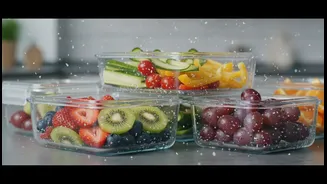
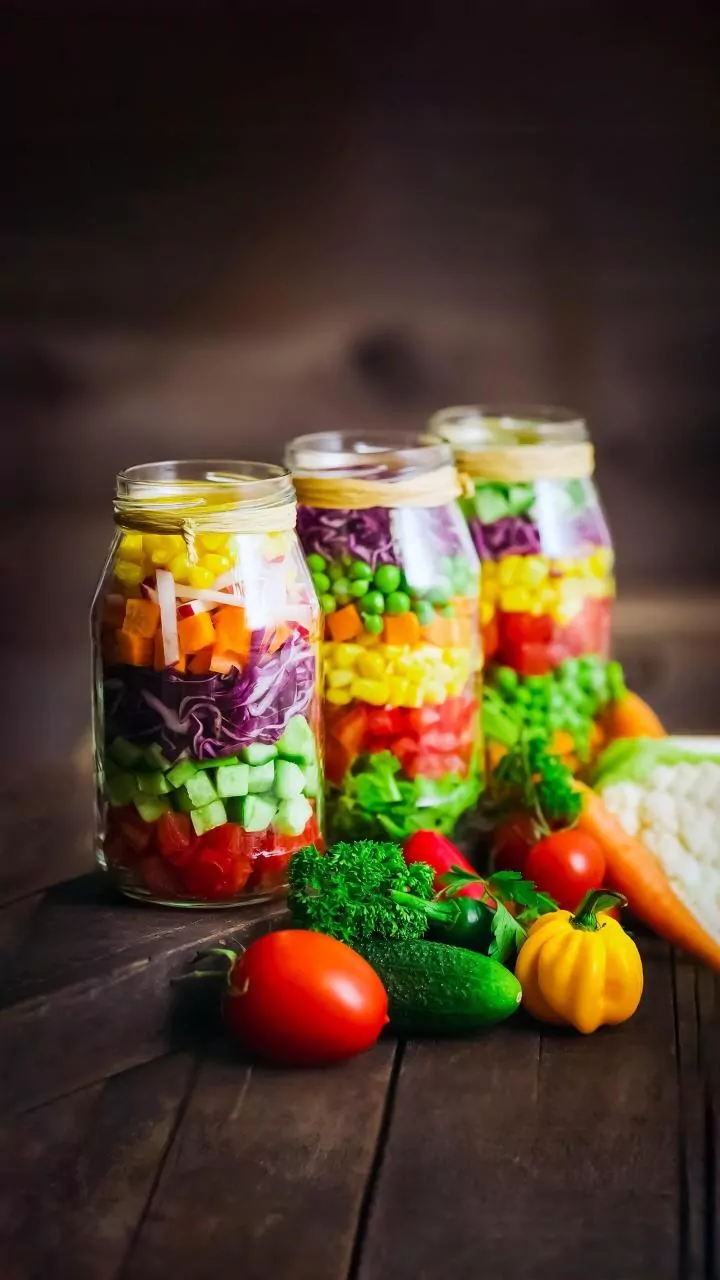
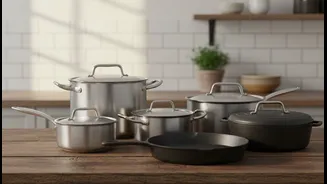
To avoid the guesswork, consider incorporating more stable materials into your kitchen routine. Glass is widely considered one of the safest options for food storage. It's non-porous, meaning it doesn't absorb food odours or stains, and it's chemically inert, so it won't leach substances into your food, even when heated. High-quality stainless steel is another excellent, durable choice, though it can't be used in the microwave. Food-grade silicone is a flexible, heat-resistant alternative that is also becoming popular. By favouring these materials, especially for hot, acidic, or oily leftovers, you can significantly reduce your exposure to potentially harmful chemicals.