



The Ritual of Piping Hot Chai
There are few things as deeply woven into the fabric of Indian life as chai. It’s the first drink of the morning, the welcome gesture for guests, the fuel for late-night work, and the companion to roadside conversations. The preference is often for 'kadak'
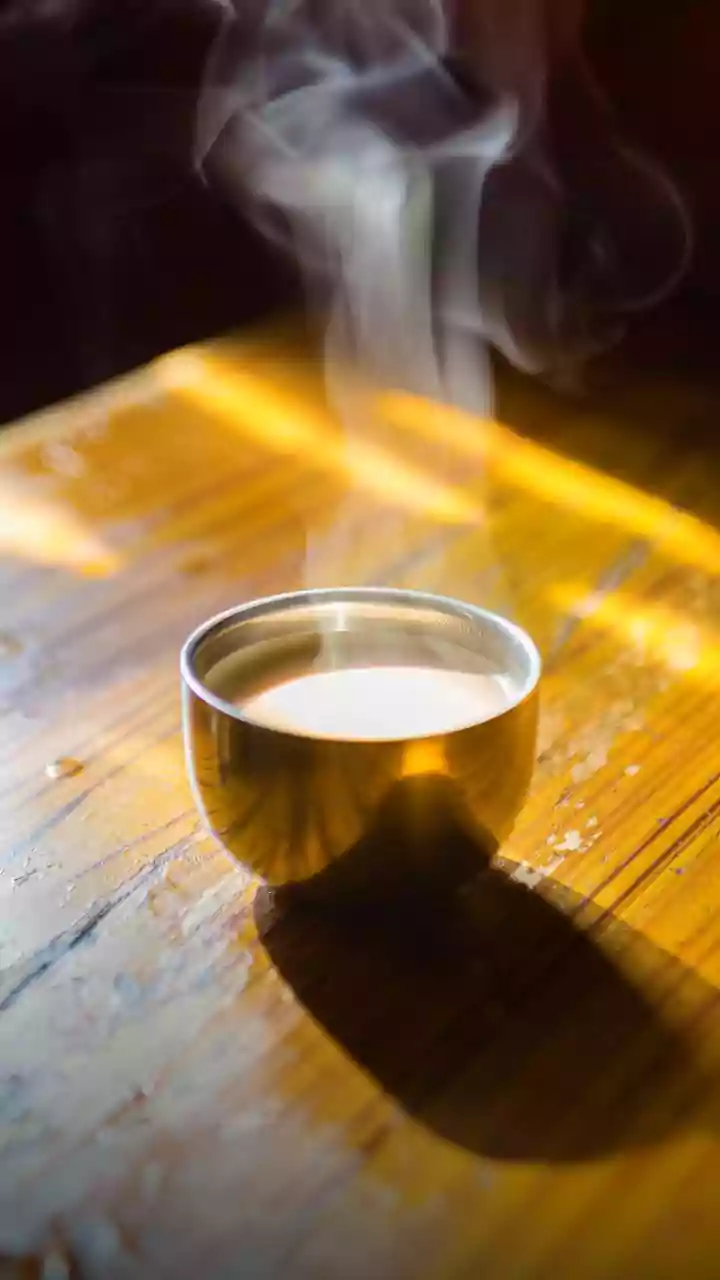
and 'garam'—strong and steaming hot. This love for a scalding cup is cultural; it's associated with freshness, potency, and the comforting warmth that spreads through the body, especially on a cool morning or a rainy day. The very act of blowing on the surface of the tea to cool it just enough to sip is a familiar ritual. But as it turns out, the temperature at which we enjoy this beloved beverage deserves a closer look.
What Happens When You Drink 'Too Hot'?
When you sip a beverage that is excessively hot, you risk more than just a momentarily burnt tongue. The primary concern lies with the esophagus, the tube that carries food and drink from your throat to your stomach. Consistently exposing the delicate lining of the esophagus to scalding liquids can cause what is known as thermal injury. Think of it as a repeated, low-grade burn on the inside. This repeated injury can lead to chronic inflammation, and over time, it may cause changes in the cells of the esophageal lining. It is this cellular damage that has drawn the attention of health experts and researchers worldwide.
The Link to Long-Term Health Risks
The concern about thermal injury is not just theoretical. In 2016, the International Agency for Research on Cancer (IARC), a part of the World Health Organization, classified drinking beverages hotter than 65°C (149°F) as “probably carcinogenic to humans”. This conclusion was based on studies from regions in Asia, South America, and Africa where drinking very hot tea is common. Research has shown a positive association between the consumption of very hot drinks and an increased risk of esophageal squamous cell carcinoma (ESCC), a specific type of esophageal cancer. A major study found that people who drank their tea at 'very hot' temperatures had a significantly higher risk compared to those who drank it 'warm'. It’s crucial to note that the risk is associated with the temperature, not the tea itself. Coffee, soup, or any other food or drink consumed at scalding temperatures carries a similar risk.
Finding the 'Just Right' Temperature
So, how hot is too hot? The 65°C threshold is the key. For context, water boils at 100°C, and a freshly brewed chai is often served at temperatures well above 70°C. You don't need a thermometer to be safe. A simple rule of thumb is to wait. After pouring your chai, give it a few minutes to cool down. If you have to sip it tentatively because it's too hot to drink comfortably, it's a clear sign to wait longer. A drinkable temperature is often described as 'warm' rather than 'hot'. Waiting for about four to six minutes after pouring can often bring the tea down to a safer, more enjoyable temperature. Adding milk can also help lower the temperature more quickly.
A Better Tasting Experience Awaits
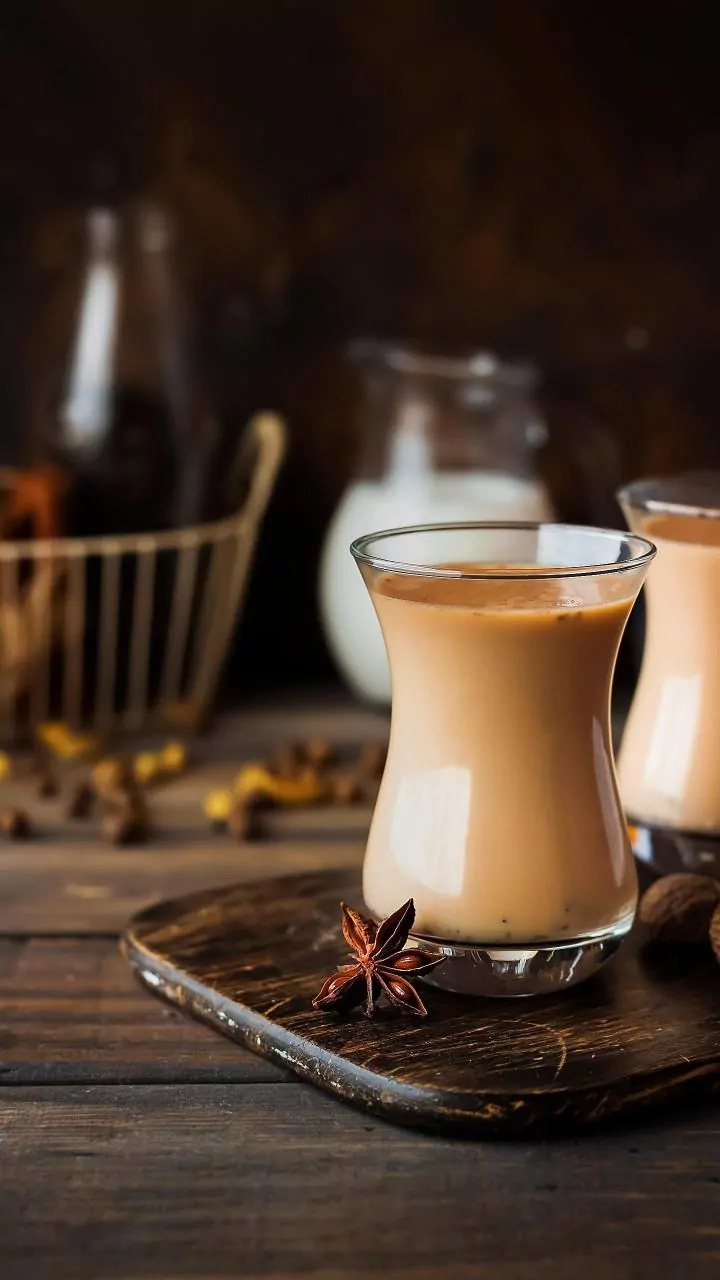
Beyond the health benefits, there’s another reason to let your chai cool slightly: it actually tastes better. When a beverage is too hot, it can overwhelm your taste buds, making it difficult to discern the complex flavours. The intricate dance of cardamom, ginger, cloves, and cinnamon in a well-made masala chai is best appreciated when the temperature doesn't numb your palate. Letting it cool from 'scalding' to 'hot' or 'warm' allows the aromatic compounds to open up, revealing the full depth and character of the brew. You get to taste the spice, not just the heat. It transforms the experience from a rushed gulp into a mindful, more flavourful moment.