

Why Humidity Is a Plant's Best Friend
Humidity, or the amount of water vapour in the air, is crucial for a plant's health. Many popular houseplants are native to tropical regions where humidity is naturally high. These plants absorb moisture through their leaves. When the air is too dry,
it can cause problems like brown, crispy leaf edges, wilting, and a general failure to thrive. The plant loses water from its leaves faster than its roots can absorb it, putting it under constant stress. For most common tropical houseplants, a humidity level between 40% and 60% is considered the sweet spot, but some fussy varieties prefer it even higher.
Assess Your Home's Climate
Before you can choose the right plant, you need to become a detective in your own home. Different rooms have different microclimates. A bathroom, with steam from showers, is a natural humidity haven. A sunny living room with an air conditioner running will likely be much drier. The easiest way to get an accurate reading is with a small digital device called a hygrometer, which measures moisture in the air. You can move it from room to room to map out your home’s humidity zones. For a low-tech test, place a glass with a few ice cubes in a room for five minutes. If lots of condensation forms and drips, your humidity is high. If there's barely any moisture, the air is dry.
Best Plants for Low-Humidity Spaces
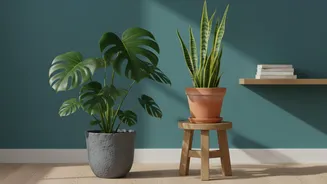
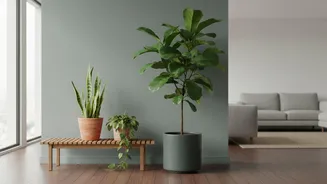
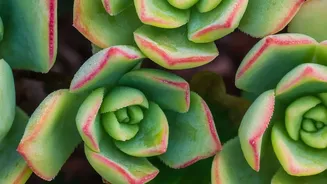
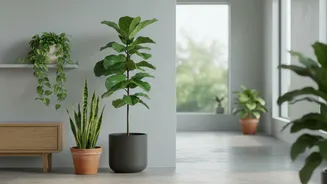
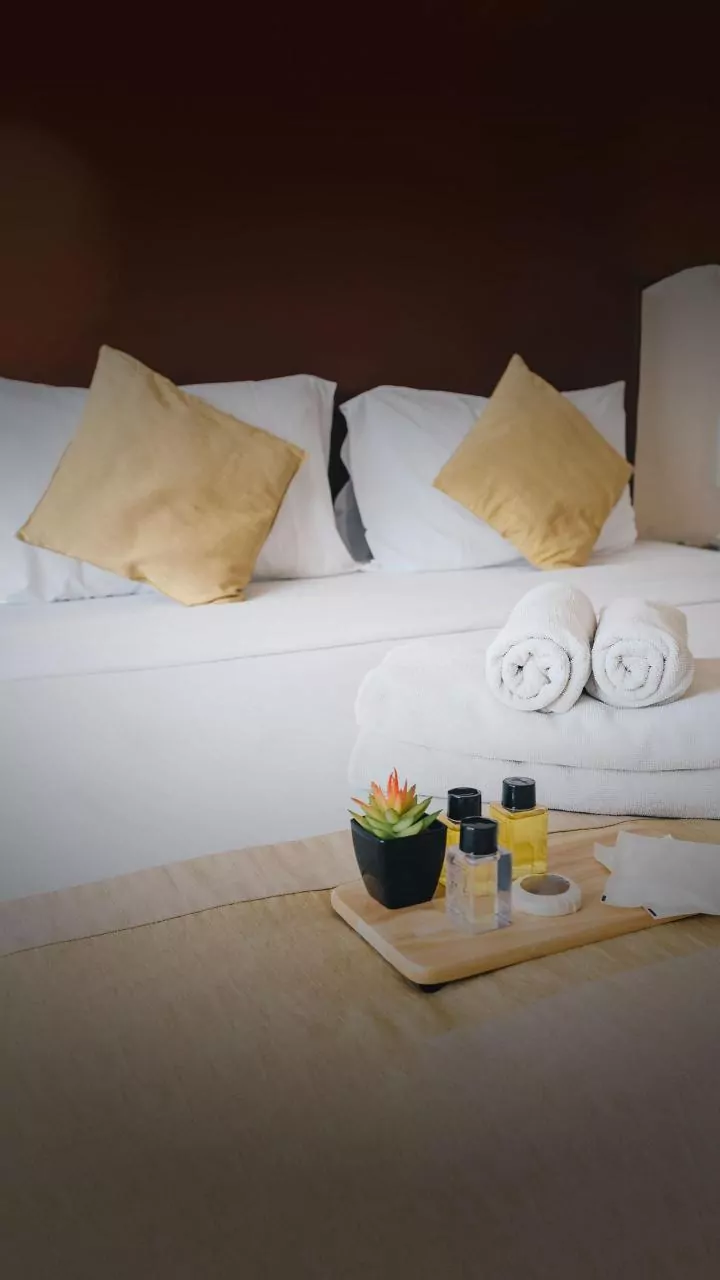
If your home is on the drier side, especially in rooms with air conditioning or heating, don't despair. Many tough and beautiful plants are perfectly happy in these conditions. These arid-climate natives are forgiving and require less maintenance. Think of the ever-popular Snake Plant (Sansevieria), known for its resilience and air-purifying qualities. The ZZ Plant (Zamioculcas zamiifolia) is another champion of low-maintenance care, tolerating dry air and low light. Succulents and cacti are classic choices for dry environments, as they are adapted to store water and prefer low humidity. A trailing Pothos (Epipremnum aureum) is also surprisingly adaptable to a range of conditions, including drier air.
Creating a Tropical Oasis: High-Humidity Favourites
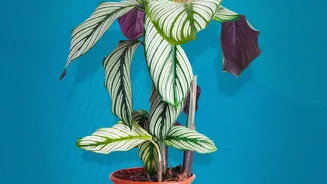
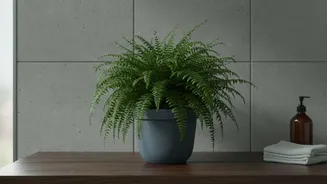
For that lush, jungle vibe, you'll want plants that adore moisture. These are perfect for bathrooms or kitchens. Ferns, such as the Boston Fern and Maidenhair Fern, are classic high-humidity plants that reward you with delicate, vibrant fronds. Calatheas and Marantas, often called Prayer Plants, are famous for their stunning, patterned foliage but will quickly show brown edges if the air is too dry. They thrive in humidity levels of 60% or more. The Fittonia, or Nerve Plant, with its colourful veined leaves, is another gem that needs a consistently moist environment to avoid wilting dramatically.
Simple Ways to Boost Room Humidity
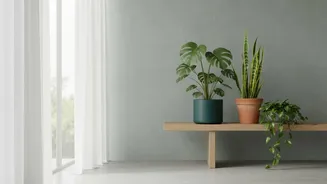
If you have your heart set on a humidity-loving plant but your home is dry, you have several options. The simplest method is to group your plants together. As plants release moisture through their leaves via transpiration, clustering them creates a more humid microclimate around them. Another popular technique is using a pebble tray. Place your pot on a tray filled with pebbles and water, ensuring the bottom of the pot isn't sitting directly in the water. As the water evaporates, it increases the humidity around the plant. For a more significant and controlled boost, especially for a large collection of tropicals, investing in a small room humidifier is the most effective solution. While misting is often recommended, it only provides a very temporary spike in humidity and is not a long-term solution.