



Why Festivals Fuel Food Fraud
The surge in demand for festive staples like milk, khoya, paneer, and ghee puts immense pressure on the supply chain. To meet this demand and maximise profits, some unscrupulous producers resort to adulteration. This involves mixing cheaper and often
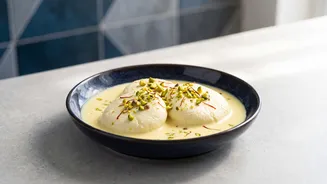
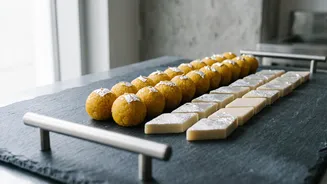
harmful substances into food products. Common practices include bulking up khoya and paneer with starch, mixing vanaspati (hydrogenated vegetable oil) into ghee, and using non-permitted, industrial-grade colourants to make sweets look more attractive. These adulterants not only cheat consumers but also pose significant health risks, ranging from digestive issues to long-term organ damage.
The Government's Crackdown
In response, food safety authorities across the country are intensifying their efforts. The Food Safety and Standards Authority of India (FSSAI) has directed states to conduct special surveillance and enforcement drives, particularly targeting milk and milk products. Recent raids in regions like Delhi-NCR have resulted in the seizure and destruction of thousands of kilograms of suspected adulterated khoya and paneer. Authorities are also deploying 'Food Safety on Wheels' mobile testing vans in prominent markets to conduct on-the-spot tests, raise awareness, and build consumer confidence.
How to Spot Adulterated Ghee
Ghee is a prime target for adulteration, often mixed with cheaper vegetable oils or vanaspati. You can perform a few simple tests at home to check for purity. One easy method is the palm test: pure ghee will melt almost instantly on your palm due to body heat, while adulterated ghee will take longer. Another check is the solidification test. Place a jar of ghee in the refrigerator; pure ghee will solidify uniformly, whereas adulterated ghee might separate into layers. For a more scientific check, melt a teaspoon of ghee and add a few drops of iodine solution. If the mixture turns blue or purple, it indicates the presence of starch.
Is Your Paneer Pure?
Paneer is often adulterated with starch to increase its weight. A simple test involves boiling a small piece of paneer in water, letting it cool, and then adding a few drops of iodine solution. If the water turns blue, it confirms the presence of starch. You can also check the texture. Real paneer is soft and should crumble easily. If it feels rubbery, hard, or overly chewy, it may be synthetic or adulterated. Additionally, pure paneer will dissolve or soften in hot water, while fake paneer made with starch or other fillers will often remain solid.
Tips for Buying Sweets and Oils
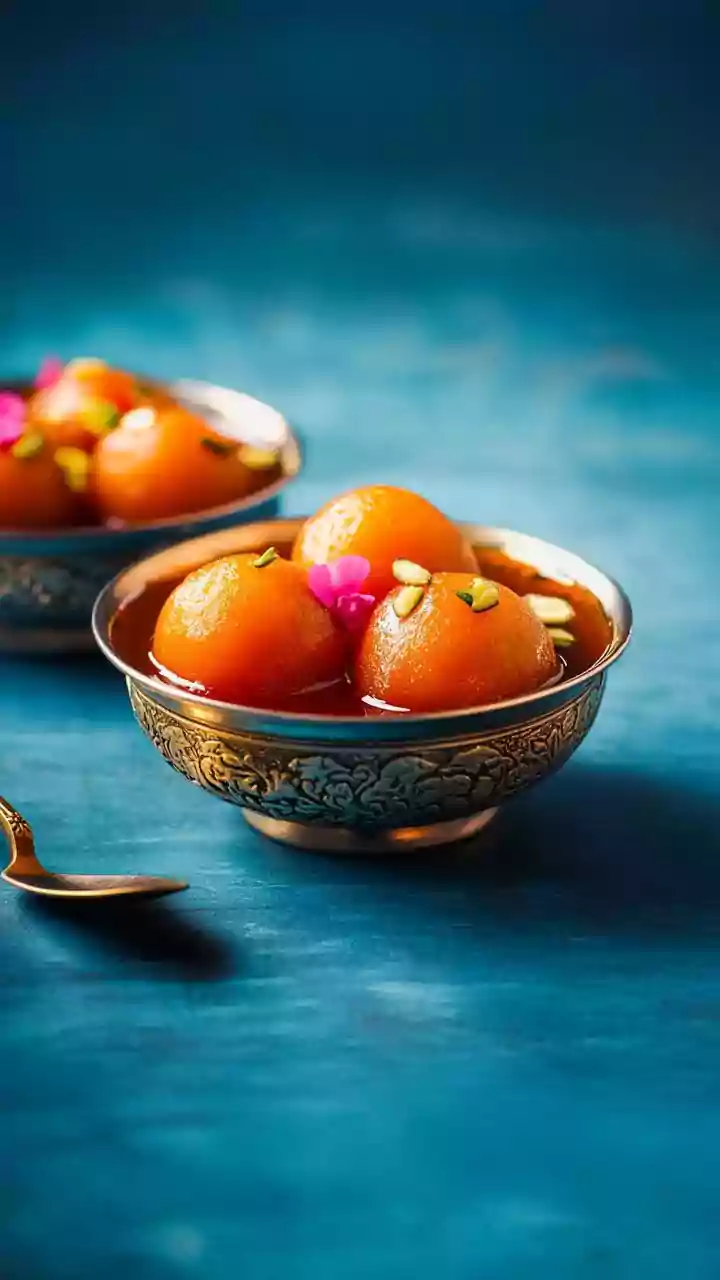
When buying festive sweets, your best bet is to purchase from reputable, licensed vendors. Look for the FSSAI license number displayed at the shop. Since 2020, it is mandatory for shops to display the 'Best Before Date' for non-packaged or loose sweets. Be cautious of sweets that are excessively bright, as they may contain non-permitted industrial dyes. While a shiny or perfectly shaped sweet looks appealing, it's not a guarantee of safety; focus on freshness and the seller's hygiene practices. For cooking oils, look for FSSAI certification and ensure the packaging is properly sealed. Repeatedly heated oil can be harmful, so avoid establishments where the oil for frying looks dark and cloudy.