





The Great Date Debate
In India, the food industry is guided by the Food Safety and Standards Authority of India (FSSAI), which sets the rules for how food is packaged and labelled. These labels are not just random suggestions; they are crucial for consumer safety and transparency.
However, the variety of terms used—'Best Before', 'Use By', 'Expiry Date'—can be confusing. Studies have shown that this confusion is a major contributor to household food waste, as people often discard perfectly edible food because they misinterpret the labels. Understanding the difference is key to saving money, reducing waste, and making sure what you eat is safe.
‘Best Before’: A Mark of Quality
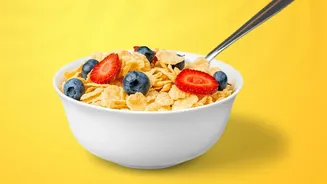
The 'Best Before' date is all about quality, not safety. As FSSAI explains, this date indicates the period during which the food will retain its best flavour, texture, and nutritional value. Think of foods like biscuits, chips, cereals, and spices. After the 'Best Before' date, the product is generally still safe to consume. However, it might not be as crisp, flavourful, or aromatic as it was intended to be. The product is still marketable and safe, but its peak quality may have passed. So, if your favourite snack is a little past its 'Best Before' date, there’s often no need to toss it immediately. You can still eat it, but just be aware that it might not taste exactly as you remember.
‘Expiry Date’ or ‘Use By’: The Safety Deadline
This is the date to take seriously. The terms 'Expiry Date' or 'Use By' are safety indicators. They are typically found on highly perishable items like milk, bread, paneer, and some packaged meals. According to FSSAI, this date marks the end of the period under which the food is considered safe to eat. Consuming a product after its expiry date can pose a health risk due to the potential growth of harmful bacteria. Unlike 'Best Before', this is not a suggestion. Once the expiry date has passed, the food should not be sold or consumed, as it may be unsafe and could cause health problems.
Mfd. Date and Other Clues
Alongside the 'Best Before' or 'Expiry' date, you will always find a 'Date of Manufacture' or 'Packing Date'. This tells you when the product was made or packaged. It provides context for the shelf life. For example, a product made in January with a 'Best Before' of six months gives you a clear timeline. The FSSAI mandates that this information, along with the FSSAI license number, must be clearly displayed on the package. This allows consumers to trace the product and make informed choices about its freshness. Always look for these details to get the full picture of the product's life cycle.
Trust Your Senses
While date labels are important guides, they aren’t the only tool you have. For products past their 'Best Before' date, it’s wise to use your own senses. Look for signs of spoilage like mould, a strange odour, a change in colour, or a compromised package (like a dented or rusty can). If the food looks and smells fine, it is often safe to eat, especially with non-perishable items. However, this rule does not apply to foods past their 'Expiry' or 'Use By' date. For those items, the risk of foodborne illness increases, even if the food looks and smells normal. When in doubt, especially with perishable goods, it is always safer to discard the item.