




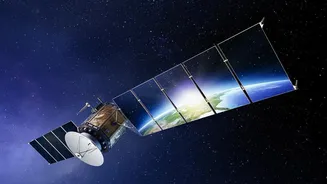

A New Sentinel in the Sky
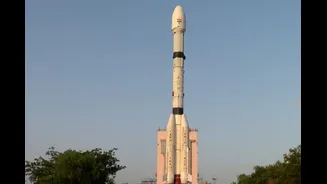
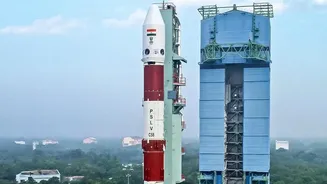
In a pre-dawn launch on September 4, 2026, the Indian Space Research Organisation (ISRO) successfully placed the Earth Observation Satellite-05 (EOS-05) into orbit, marking a pivotal moment for the country's space endeavours. Launched aboard the Geosynchronous
Satellite Launch Vehicle (GSLV-F17), this mission is not just another feather in ISRO's cap; it represents a significant leap in India's remote sensing and surveillance capabilities. The success is particularly sweet as it comes after the setback of the 2021 mission involving its predecessor, GISAT-1 (also known as EOS-03), which failed to reach orbit due to a technical anomaly in the launch vehicle. EOS-05, also known as GISAT-1A, is essentially the fulfillment of that original mission, providing India with its first operational geo-imaging satellite.
Why Geosynchronous Orbit is a Game-Changer
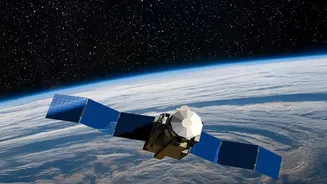
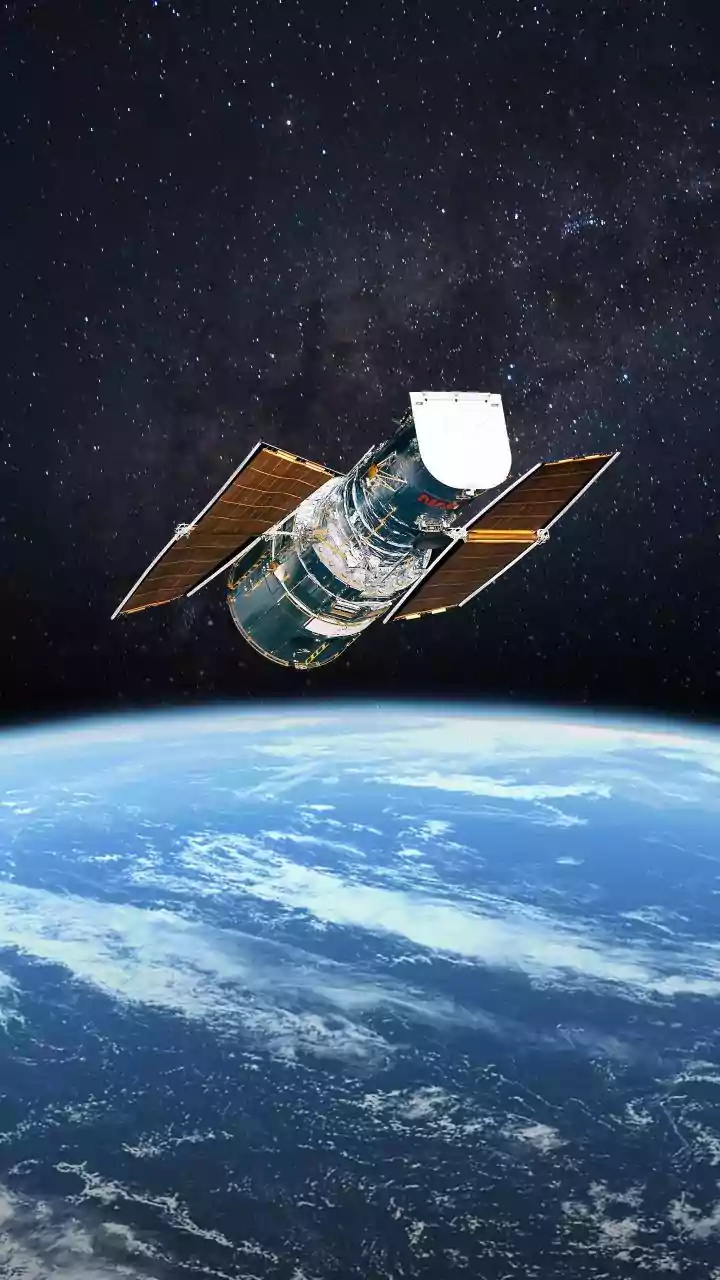
What makes EOS-05 truly special is its orbital position. Unlike most Earth observation satellites that operate in Low Earth Orbit (LEO) and circle the planet multiple times a day, getting only fleeting glimpses of any specific area, EOS-05 is positioned in a geosynchronous orbit. At an altitude of approximately 36,000 kilometres, its orbital period matches the Earth's rotation, allowing it to remain stationary over the Indian subcontinent. This provides an unprecedented capability for continuous, near real-time monitoring. Instead of waiting for a satellite to pass over a developing cyclonic storm or a flood-affected region, EOS-05 can keep a constant, unblinking watch, relaying data that is crucial for disaster management and strategic planning.
The Significance of Being 'Heavy'
The headline fact about EOS-05 is its weight. Tipping the scales at 2,367 kg, it is the heaviest Earth observation satellite that India has launched using its GSLV rocket. In the world of satellites, weight is not just a number; it's a direct indicator of capability. A heavier satellite can carry more fuel, which translates to a longer operational life in orbit. More importantly, it can house larger and more sophisticated instruments. EOS-05 is equipped with high-resolution multispectral and hyperspectral imagers, allowing it to see the Earth in various wavelengths of light. This advanced instrumentation enables a wide range of applications, from assessing crop health to identifying mineral resources and monitoring water quality, all with remarkable detail from its high perch.
The 'Naughty Boy' GSLV Delivers
The success of the mission is also a major vote of confidence for the GSLV Mk II rocket, often nicknamed ISRO's 'naughty boy' because of its inconsistent track record in its early days. The GSLV is a three-stage rocket, and its most complex component is the indigenous cryogenic upper stage, which uses super-cooled liquid hydrogen and liquid oxygen as propellant. Perfecting this technology has been a long and challenging journey for ISRO. The failure of the GSLV-F10 mission in 2021 was a painful reminder of these challenges. However, the flawless performance of the GSLV-F17 in placing the heavy EOS-05 into a precise orbit demonstrates that the rocket has matured into a reliable and powerful launch vehicle, capable of handling ISRO's most demanding and strategically important missions.
What This Means for India
The capabilities of EOS-05 have direct and tangible benefits for the nation. For disaster management agencies, the satellite's ability to provide continuous imagery of developing weather systems like cyclones will be invaluable for issuing timely warnings and planning evacuations. It can monitor large-scale events like forest fires and floods in near real-time, aiding response efforts. For agriculture, its data can help in monitoring crop health, water stress, and soil conditions over vast areas, leading to better farm management. Beyond civilian uses, EOS-05 provides a significant strategic advantage. The ability to maintain persistent surveillance over India's land and maritime borders enhances national security and situational awareness, giving the country a powerful 'eye in the sky' that never blinks.