





A Road Trip Renaissance
According to Uber's latest Intercity Travel Index, based on data from April to June 2026, the fastest growth in road travel is happening on routes connecting smaller cities and popular leisure destinations. While busy corridors like Mumbai-Pune and Delhi-Agra
continue to see the highest volume of trips, routes such as Ahmedabad-Vadodara, Delhi-Dehradun, and Chennai-Puducherry are among the fastest-growing. This surge isn't just about connecting to major hubs; it's about a growing appetite for point-to-point travel across regional India. The data highlights strong demand for weekend getaways to places like Nashik, Puducherry, and Dehradun, as well as heritage and pilgrimage centres like Ajmer, Mysuru, and Prayagraj. This signals a clear shift where smaller cities are no longer just stopovers but destinations in their own right.
The Quest for Convenience
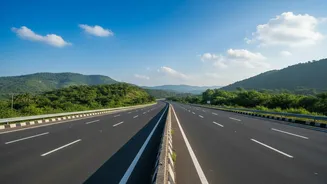
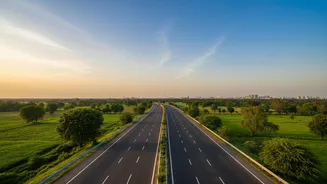
So, what’s driving this change? A primary factor is the simple appeal of convenience. Booking a direct cab offers a door-to-door solution, eliminating the hassle of coordinating multiple modes of transport like auto-rickshaws, trains, and buses. This is particularly appealing for families and small groups. Another significant driver is India's rapidly expanding and improving highway infrastructure. The government has noted a 61% expansion in the national highway network since 2014, making road trips faster and more reliable. This improved connectivity reduces travel times and makes driving between cities a more pleasant experience. Ride-hailing platforms have also invested in features that build confidence, such as round-trip bookings, 24/7 safety lines, and trip sharing, which add a layer of security and predictability that many travellers now expect.
The Rise of Tier-II Economies
This travel trend is a direct reflection of a larger economic story: the ascent of India's Tier-II cities. Once seen as mere satellites of major metros, these cities are now becoming economic engines in their own right. They are home to growing industries, educational institutions, and a burgeoning middle class with rising disposable incomes. As companies adopt more flexible work policies, including remote and hybrid models, professionals are finding they can enjoy a better quality of life and lower cost of living in these smaller cities without sacrificing career opportunities. This migration, both permanent and temporary, fuels demand for better connectivity. Recent data shows Uber expanding its services to 100 new Tier-II and Tier-III cities, a clear indicator that companies are recognising and responding to this demographic and economic shift.
What This Means for India's Future
The growing preference for direct travel to non-metro areas is more than just a statistic; it signifies a fundamental change in India's economic geography. It points to a future where economic growth is more decentralized, spreading beyond the traditional Tier-I powerhouses. For residents of smaller cities, it means better access to mobility and economic opportunities. For the travel and hospitality industries, it opens up new markets for hotels, restaurants, and local experiences. This trend also presents a challenge to traditional transport providers like railways and bus services, pushing them to innovate and cater to a customer base that increasingly prioritizes comfort and point-to-point convenience over pure cost savings. The data suggests that as long as infrastructure improves and aspirations in smaller cities continue to rise, the road ahead is paved with growth.