




A Celestial Close-Up
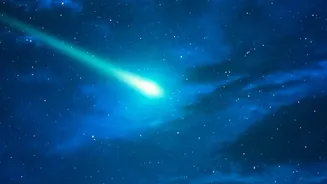
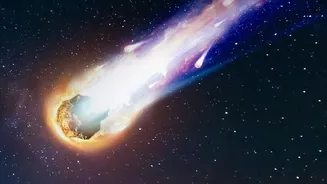
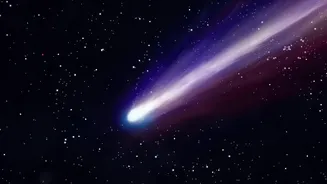
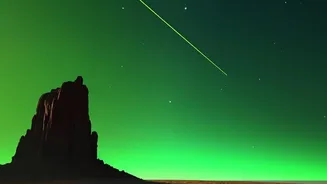
NASA's Astronomy Picture of the Day for August 3, 2026, showcases a stunning photograph of a meteor streaking through the sky. Captured by an astrophotographer, the image doesn't just show a single streak of white light; it displays a vibrant, multi-coloured
trail. This single shot serves as a perfect illustration of the complex physics at play when a tiny piece of space rock, often no bigger than a pebble, enters Earth's atmosphere. While the human eye might only catch a quick flash, a camera's long exposure can reveal the hidden rainbow within a meteor's fiery demise, offering clues to its chemical makeup.
Decoding the Colours of the Cosmos
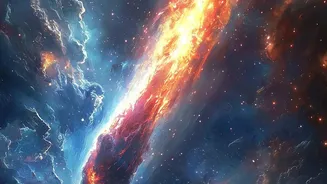
The incredible colours in a meteor’s trail are not random; they are a direct result of its chemical composition and its interaction with our atmosphere. Think of it as nature's own fireworks show. As the meteoroid heats up to thousands of degrees, different elements within it vaporise and glow, each emitting light at a specific wavelength, which we perceive as colour. Simultaneously, the intense heat energises the nitrogen and oxygen in the air around it, adding to the palette. By learning to read these colours, a simple shooting star transforms into a high-speed chemical analysis.
A Rainbow of Elements
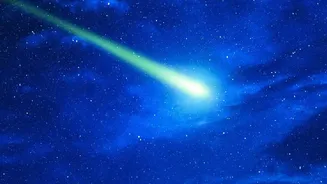
Each colour tells a different part of the meteor's story. A common orange or yellow glow points to the presence of sodium, while a bright yellow can indicate iron. The brilliant greens and blue-greens, often seen in fast meteors like the Perseids, are typically caused by magnesium and nickel. If you spot a hint of violet or purple, you're likely seeing the signature of calcium. Finally, a reddish hue is usually not from the meteoroid itself, but from superheated nitrogen and oxygen molecules in the Earth's atmosphere that the meteor is passing through.
Why It Matters for Skywatchers
This knowledge changes how we watch the night sky. Instead of just counting meteors, you can now try to identify their colours and guess their composition. Different meteor showers, which originate from different parent comets or asteroids, can have distinct colour profiles. For example, the upcoming Perseid meteor shower, which peaks around August 12-13, is known for its fast, bright meteors that often display green and yellow tints due to their composition. In contrast, the Geminids in December often show bright white and yellow colours, hinting at a different, rockier origin. This understanding adds a rich layer of scientific appreciation to the simple, magical experience of seeing a shooting star.
How to See Them in India
The upcoming Perseid meteor shower in mid-August 2026 is set to be a spectacular show, with ideal viewing conditions thanks to a new moon, which means darker skies. While the monsoon can be a challenge across much of India, skywatchers in drier, high-altitude regions like Ladakh and Spiti Valley, or in the rain-shadow area of Kutch, will have the best chances for a clear view. The best time to watch will be in the pre-dawn hours of August 12th and 13th, between 2:00 AM and 4:30 AM IST. No special equipment is needed; just find a dark spot away from city lights, let your eyes adjust, and look up.