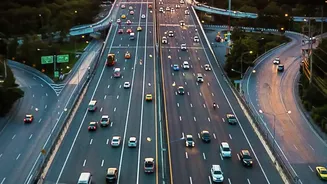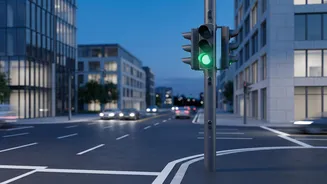




What is the Intelligent Traffic Management System?
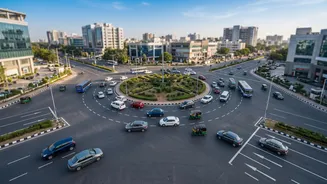
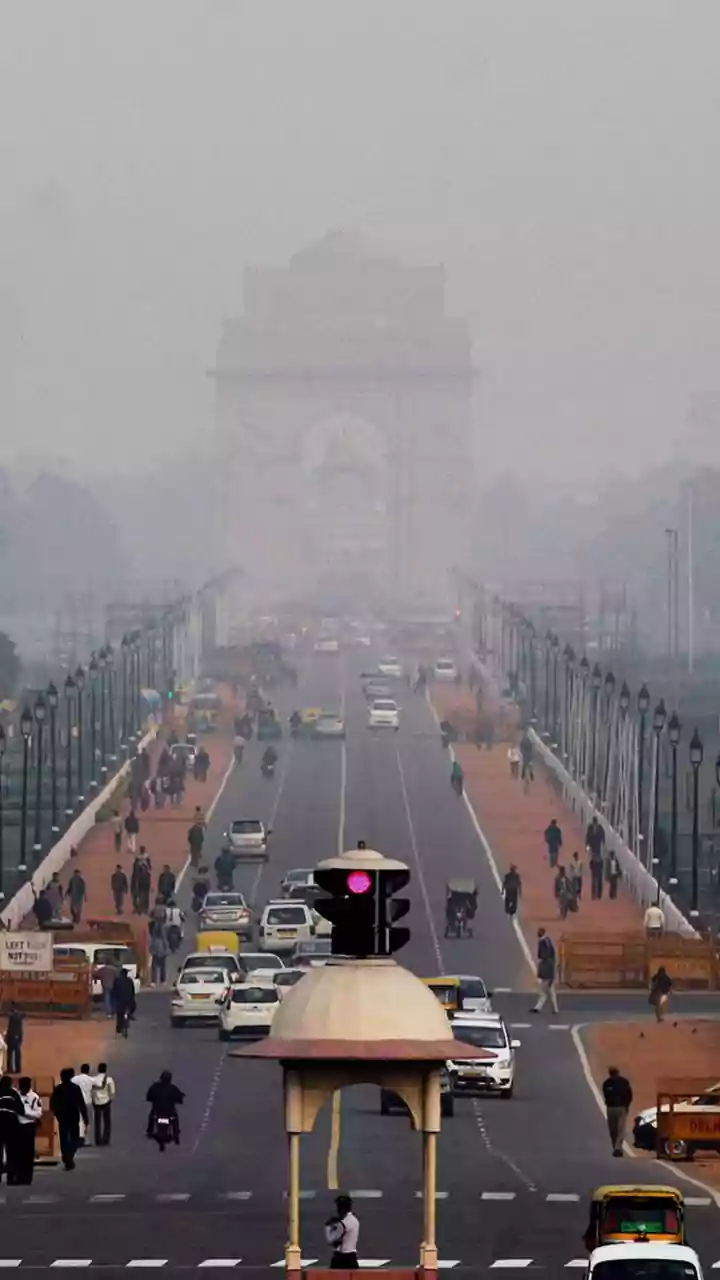
The ITMS is a nearly Rs 1,800 crore project approved by the central government to modernise Delhi's traffic control. Instead of relying on fixed-timer signals that are oblivious to the actual flow of vehicles, the ITMS will act as a 'brain' for the city's
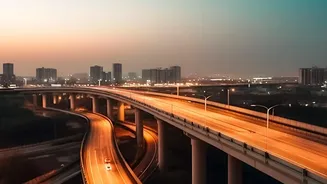
road network. It will use a network of sensors and cameras to gather live traffic data, feeding it into a central command centre. This allows the system to understand where congestion is building up and make intelligent decisions to manage it. The project, to be implemented by the Delhi Police, will cover 42 of the city's most important traffic corridors and will be rolled out in three phases over 24 months.
How AI Signals Will End Pointless Waiting
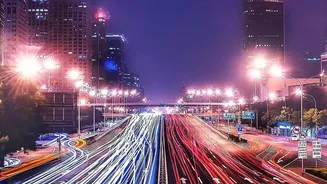
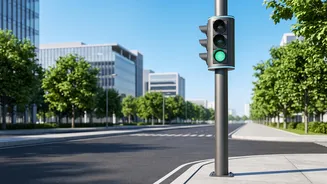
The core of the new system lies in its Adaptive Traffic Control Systems. Currently, most of Delhi's 1,500-plus signals operate on a rigid schedule, meaning you might wait at a red light for a full minute even if no cars are crossing. The new AI-powered signals will change this. By analysing real-time vehicle density, these signals can dynamically adjust their timings. If one road is heavily congested while the crossing road is empty, the system will automatically shorten the red light for the crowded road and give it a longer green signal. This coordination will extend across entire corridors, creating 'green waves' that allow for smoother, continuous traffic flow with fewer stops.
More Than Just Green Lights
The benefits of the ITMS extend far beyond just managing traffic flow. One of its most critical features is the ability to create priority 'green corridors' for ambulances and other emergency vehicles. Sensors installed on these vehicles will communicate with the traffic signals ahead, ensuring they turn green as the vehicle approaches, potentially saving crucial minutes. The system also includes over 1,000 automated enforcement locations to detect violations like speeding, red-light jumping, and not wearing a helmet or seatbelt. AI analytics will help identify stolen vehicles and repeat offenders, aiming to make roads safer.
A Smoother Commute and Cleaner Air
For the average commuter, the promise of ITMS is a more predictable and less stressful travel experience. By reducing unnecessary idling at signals and smoothing out traffic flow, the system is expected to significantly cut down on travel times. This, in turn, leads to lower fuel consumption and a reduction in vehicle emissions, contributing to better air quality. Commuters will also have access to better information. Real-time updates on congestion, diversions, and even parking availability will be displayed on Variable Message Sign boards and shared through digital platforms, possibly including navigation apps like Google Maps.
Challenges and The Road Ahead
While the ITMS represents a major leap forward, it is not a magic bullet for Delhi's traffic woes, which are compounded by over 71 lakh active registered vehicles. The success of the project, which will be rolled out in phases starting with five major corridors including the Ring Road and Outer Ring Road, will be evaluated at each stage. Implementation is expected to take around two years, followed by a five-year maintenance period. Experts note that for the technology to be truly effective, it must be supported by disciplined driving habits and robust enforcement. However, it marks a decisive shift from simply building more roads to making the existing network function more intelligently.