


From Universal Curry to Hyper-Local Pride
For decades, Indian cuisine in the popular imagination was often flattened into a few well-known dishes. But a significant shift is happening. Diners, both within India and globally, are developing an appetite for authenticity and a curiosity for foods
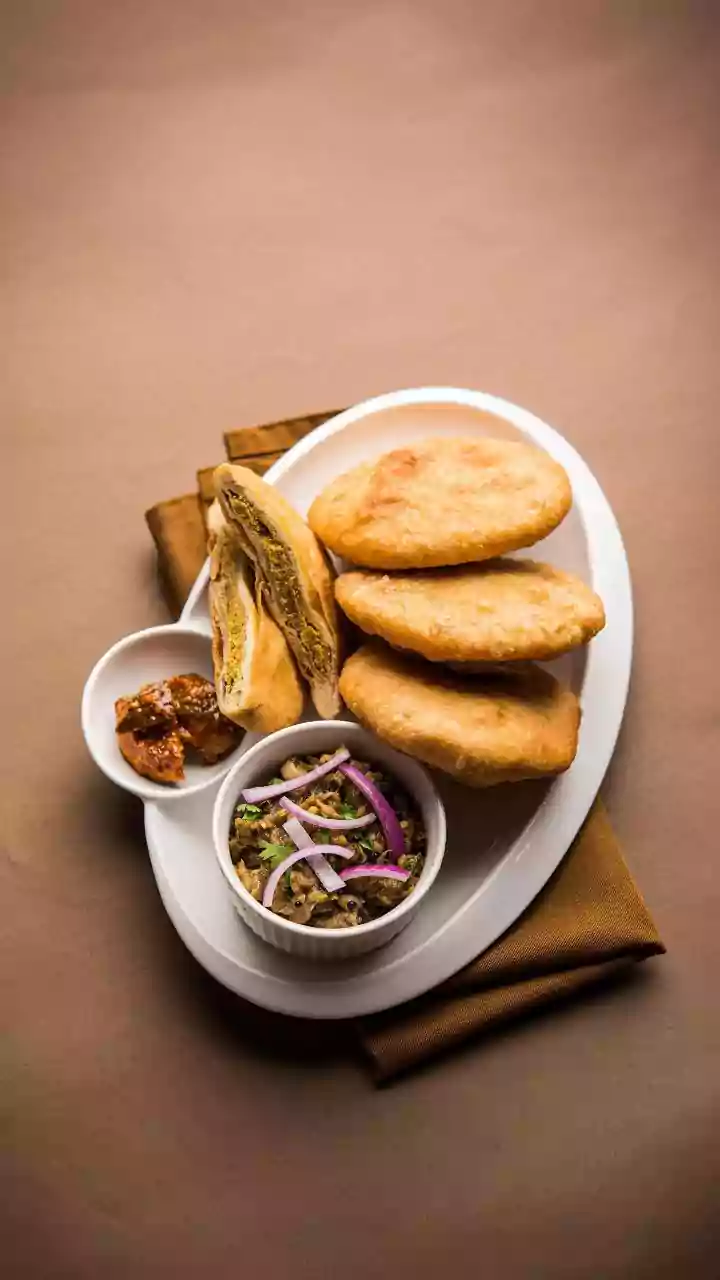
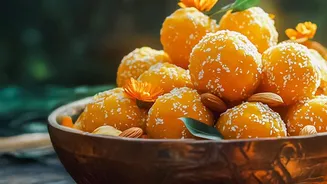
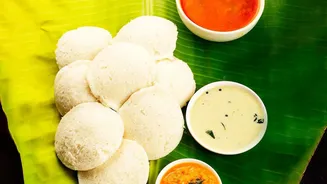
that tell a story. This has sparked a movement away from generic pan-Indian menus towards a celebration of hyper-regional flavours. Chefs are now acting as culinary historians, digging into their own heritage to resurrect dishes from specific communities and states, from the coastal delicacies of Kerala to the rustic meals of Bihar. This revival is a direct response to the homogenisation brought by globalisation and a desire to reclaim a sense of place on the plate.
The Great Millet Revival
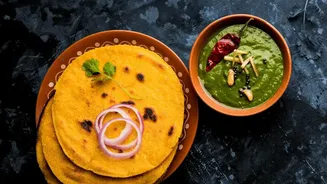
At the forefront of this comeback are ancient grains, particularly millets. Staples like ragi (finger millet), jowar (sorghum), and bajra (pearl millet) were the bedrock of Indian diets for millennia before being sidelined by the post-Green Revolution focus on rice and wheat. Now, these grains are being rediscovered for their immense nutritional value and their climate-resilient properties. Their return to Indian kitchens is backed by government initiatives and a growing public consciousness around health and sustainability. Once deemed “poor man’s grain,” millets are now celebrated in everything from traditional rotis and porridges to modern cafe-style salads and baked goods, bridging ancestral knowledge with contemporary tastes.
A Taste of Memory
This culinary shift is powered by more than just an interest in novel ingredients; it is deeply emotional. The trend is fuelled by nostalgia, a collective longing for the flavours of childhood and the comfort of a grandmother's kitchen. Every dish carries a story, connecting people to family histories, festive traditions, and a sense of belonging. Researchers and marketers note that this is not manufactured nostalgia but an authentic pull towards flavours that are encoded in personal and cultural memory. Food becomes a vessel for emotion, and reviving a lost recipe is an act of preserving not just a taste, but the stories and love associated with it.
Chefs as Culinary Archaeologists
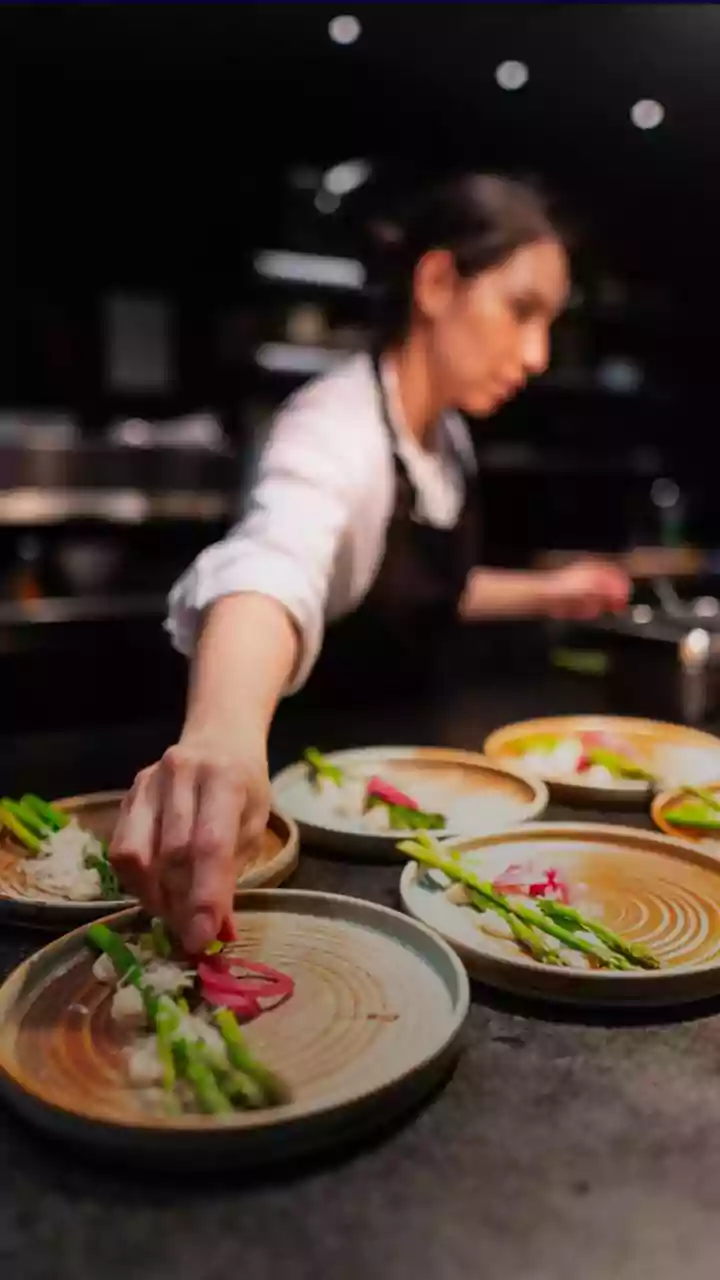
India's top chefs are leading the charge, travelling to remote villages, poring over old texts, and collaborating with older generations to unearth forgotten techniques and recipes. They are bringing back dishes like Koshur Haakh from Kashmir or rediscovering the nuances of Mughal-era cooking that were never fully documented in historical records. This movement is changing fine dining, where menus now proudly feature hyperlocal ingredients and tell complex stories of terroir and tradition. Restaurants are transforming into living museums, offering diners an education in India's vast culinary diversity, moving far beyond familiar comforts.