




A Tale of Two Steels
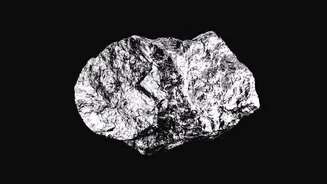
The term “Hiroshima fallout metal” conjures dramatic images, but it's a common misunderstanding. The valuable material isn't steel created from nuclear fallout; it's the exact opposite. Known as low-background or pre-atomic steel, its value comes from being
produced before the first atomic bomb was detonated in July 1945. Modern steelmaking processes, like the Bessemer or basic oxygen methods, use air to purify molten iron. Since the dawn of the atomic age, Earth's atmosphere has contained trace amounts of artificial radionuclides from nuclear weapons testing. These particles, though harmless to humans, get baked into all steel made since, giving it a faint but detectable radioactive signature. Pre-atomic steel is therefore a finite resource, a pristine relic from a time before humanity permanently altered the atmosphere.
The Purity of the Past
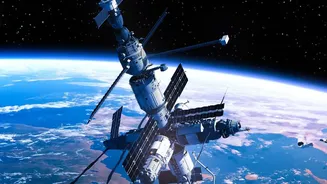
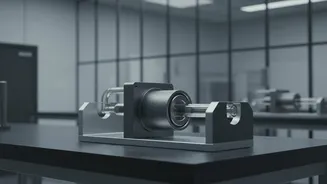
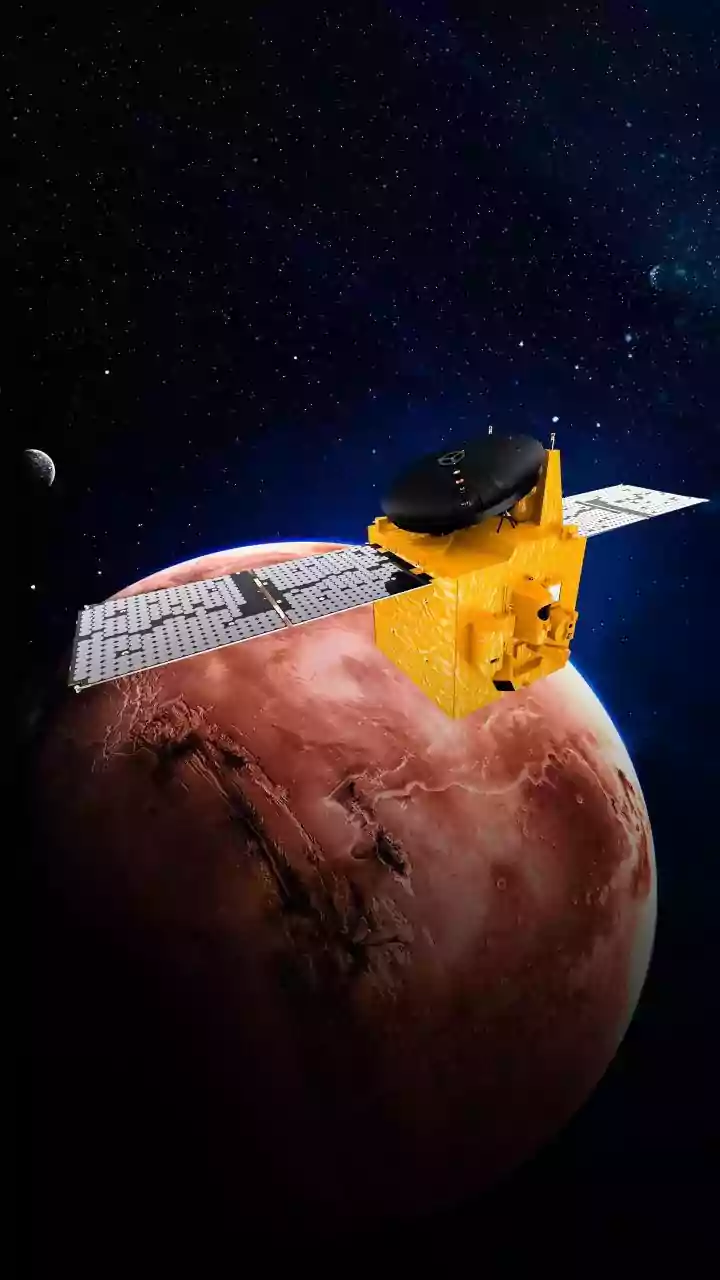
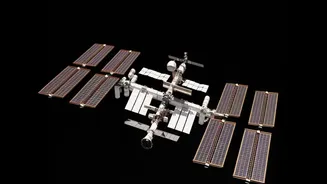
Why does this minuscule amount of radiation matter? For everyday applications like construction beams or car frames, it doesn't. But for highly sensitive scientific instruments, it's a critical flaw. Devices designed to detect the faintest whispers of radiation—such as Geiger counters, sensors on space probes, and certain medical imaging machines—require components that are as close to radiologically pure as possible. If the steel shielding of a particle detector is itself slightly radioactive, it creates background noise that can obscure the very signals scientists are trying to measure. This makes pre-atomic steel an essential, almost irreplaceable material for pushing the boundaries of physics, medicine, and space exploration. Its purity provides a quiet window into the universe, free from the chatter of our own atomic legacy.
Sunken Treasure for Science
With no new pre-atomic steel being made, where do scientists find it? The most famous sources are underwater. Sunken warships from World War I and World War II, having rested deep beneath the waves for decades, were shielded from the atmospheric fallout that contaminated the surface world. The German High Seas Fleet, scuttled at Scapa Flow in Scotland in 1919, has been a particularly notable source of this pristine metal. Salvaging these wrecks provides the raw material needed to build the ultra-sensitive chambers and shields for modern experiments. However, this has led to controversy, as many of these wrecks are considered war graves, sparking debates over the ethics of their recovery. This finite supply makes every piece of salvaged low-background steel incredibly precious to the scientific community.
Future Uses: Possibility, Not Proof
While low-background steel is already crucial for current technology, its future applications remain an active area of research. This is the “possibility, not a proven application” part of the story. As our technology grows even more sensitive, the need for purer materials will only increase. Scientists exploring the frontiers of quantum computing, for example, require extreme shielding to protect fragile quantum bits (qubits) from environmental interference, including background radiation. Future experiments searching for elusive particles like dark matter may also demand detectors built from materials with almost zero radioactive noise. However, the limited and dwindling supply of pre-atomic steel means that many of these future uses may depend on developing new, albeit expensive, methods of producing low-background metals from scratch.