



The Foundation: Grain and Flour
The core difference between rice and wheat lies in a single protein: gluten. Wheat flour is rich in gluten, the magical component that gives dough its elasticity and stretch, perfect for creating soft, pliable rotis and parathas. This protein network
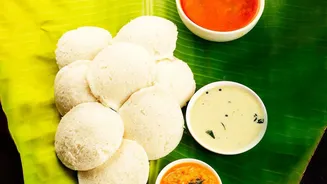
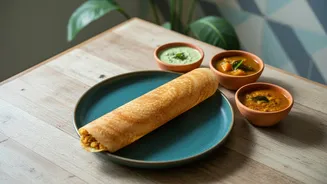
traps air, which is essential for the structure of breads and other baked goods. Rice flour, on the other hand, is naturally gluten-free. This lack of gluten means it doesn't form an elastic dough. Instead, it creates softer, lighter, or even crispier textures depending on the preparation method, making it ideal for steamed dishes like idli or crispy dosas.
Preparation: Soaking vs. Kneading
The journey to a rice-based breakfast often begins the night before. For dishes like idli and dosa, rice and lentils are soaked for hours, then ground into a smooth batter. This batter is then left to ferment, a slow, natural process where microorganisms get to work. These tiny helpers break down starches and produce carbon dioxide, which leavens the batter and gives it a characteristic tangy flavour. Wheat-based breakfasts follow a quicker tempo. The process begins with kneading flour, water, and perhaps a pinch of salt into a dough. Instead of a long fermentation, wheat dough requires a short resting period, typically 15 to 30 minutes. This allows the gluten to relax, making the dough easier to roll and ensuring the final rotis are soft and supple.
The Cooking Cadence: Steam and Sizzle
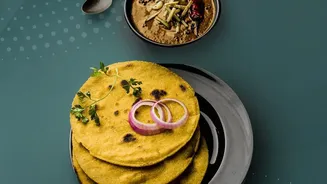
Once prepared, the two types of breakfasts are cooked in fundamentally different ways. The wet, fermented rice batter is destined for steaming or griddling. Idlis are made by pouring the batter into molds and steaming them until they become light, fluffy cakes. Dosas are created by spreading a thin layer of the same batter onto a hot tawa, resulting in a crispy crepe. Conversely, the rested wheat dough is all about direct, dry heat. Small portions of dough are rolled into thin discs to make chapatis or parathas. These are cooked on a hot tawa, often puffing up like a balloon when exposed to a direct flame as trapped steam expands rapidly. This quick, high-heat process cooks the flatbread in minutes.
The Rhythm of Time: Planning vs. Spontaneity
The contrasting preparations create two distinct life rhythms in the kitchen. Rice breakfasts are an exercise in foresight. The decision for morning dosas is made the previous day, involving a sequence of soaking, grinding, and overnight fermentation. There are no shortcuts; the process cannot be rushed. It’s a slow food philosophy built on patience. Wheat breakfasts, however, offer near-instant gratification. A craving for hot, fresh parathas can be satisfied within half an hour. This allows for spontaneity, making it a go-to choice for a quick, filling meal without extensive pre-planning. Even poha, made from flattened rice flakes, is a quick-cook option because the rice is already pre-cooked before being flattened.
A Tale of Two Diets
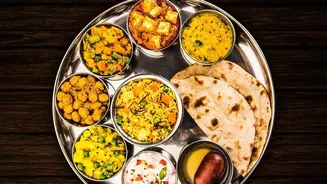
This breakfast divide is deeply rooted in India's agricultural geography. There's a clear regional pattern: southern and eastern states, with climates ideal for paddy cultivation, have rice-centric cuisines. This is why idli, dosa, and pongal are breakfast staples there. Northern and western states, where the climate is cooler and drier, are the country's wheat belt. Here, breakfast tables are laden with rotis, parathas, and puris. This geographical reality has shaped not just what appears on the plate, but the very flow and rhythm of morning routines in kitchens across the nation for centuries.