







The Changing Face of the Indian Car Buyer
Recent data from the first half of the fiscal year reveals a remarkable trend: the share of first-time buyers in India's car market has surged by an estimated 10 percentage points. This represents the most significant increase since before the pandemic.
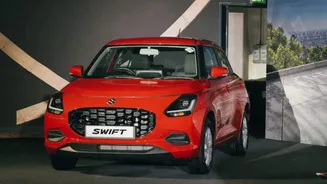
For industry leader Maruti Suzuki, the change is stark. First-time buyers made up 54% of its sales between April and August, a dramatic rise from 42% during the same period last year. Other major players like Tata Motors and Hyundai have also reported a notable uptick in new customers, with Tata seeing a 6-7% increase in this segment. This isn't just a minor fluctuation; it's a fundamental change in the composition of who is walking into showrooms, signaling a broadening of the market base. For years, the market was increasingly dominated by existing car owners upgrading to larger vehicles or households adding a second car. Now, the entry-level customer is back in the driver's seat.
What's Driving the First-Time Buyer Surge?
The primary catalyst for this revival is a landmark change in taxation. The government's decision last year to rationalize the Goods and Services Tax (GST) for smaller vehicles has been a game-changer. By reducing the GST rate from 28% to 18% on cars less than four meters in length, the upfront cost of entry-level models has become significantly more manageable. This has made car ownership accessible for a new wave of consumers, many of whom are upgrading from two-wheelers. The impact is clear in the sales figures for mini cars like the Maruti Suzuki Alto and S-Presso, which saw a staggering 96% sales increase between April and August. Improved availability of financing options and rising aspirations among India's young, middle-class population are also crucial factors. For many, a pre-owned vehicle also serves as a popular entry point to car ownership, minimizing financial risk while learning the ropes.
How Automakers Are Responding
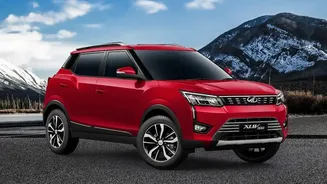
Car manufacturers are taking note of this evolving customer profile. The renewed demand for smaller, more affordable cars is a welcome development, especially for companies like Maruti Suzuki, which has a dominant position in the entry-level segment. Executives have publicly stated that the tax changes have enabled the return of the first-time buyer, giving fresh momentum to India's journey toward mass motorization. This shift encourages manufacturers to focus on their small car portfolios, which had seen waning interest in recent years amidst a market-wide pivot to SUVs. However, the SUV boom is far from over. The data shows that the market is expanding at both ends; while entry-level cars are making a comeback, aspirational buyers continue to flock to utility vehicles. Mahindra & Mahindra, for instance, saw a 20% year-on-year growth in its entry-level SUVs during the first five months of the fiscal year, indicating that first-time buyers are also considering compact SUVs.
Why This Isn't a Guaranteed Sales Boom
While the influx of new buyers is a positive sign, it’s important to see the bigger picture. The headline sales growth figures, such as the 36.5% year-on-year increase in passenger vehicle dispatches for August 2026, can be slightly misleading. This high growth is partly due to a lower comparison base from the previous year and significant inventory building by dealers ahead of the festive season. Analysts expect this blistering pace to normalize as the year progresses. The story, therefore, is less about an unsustainable boom and more about a healthy rebalancing of the market. The growth is becoming more inclusive, with both affordable hatchbacks and popular SUVs finding buyers. This diversification makes the market more resilient. It's a shift from a market driven purely by upgrades and premiumization to one where the foundational layer of first-time owners is once again robust and expanding.