



The Challenge of Building Big
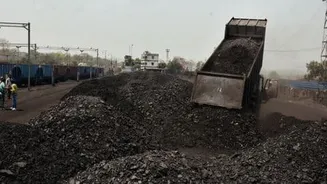
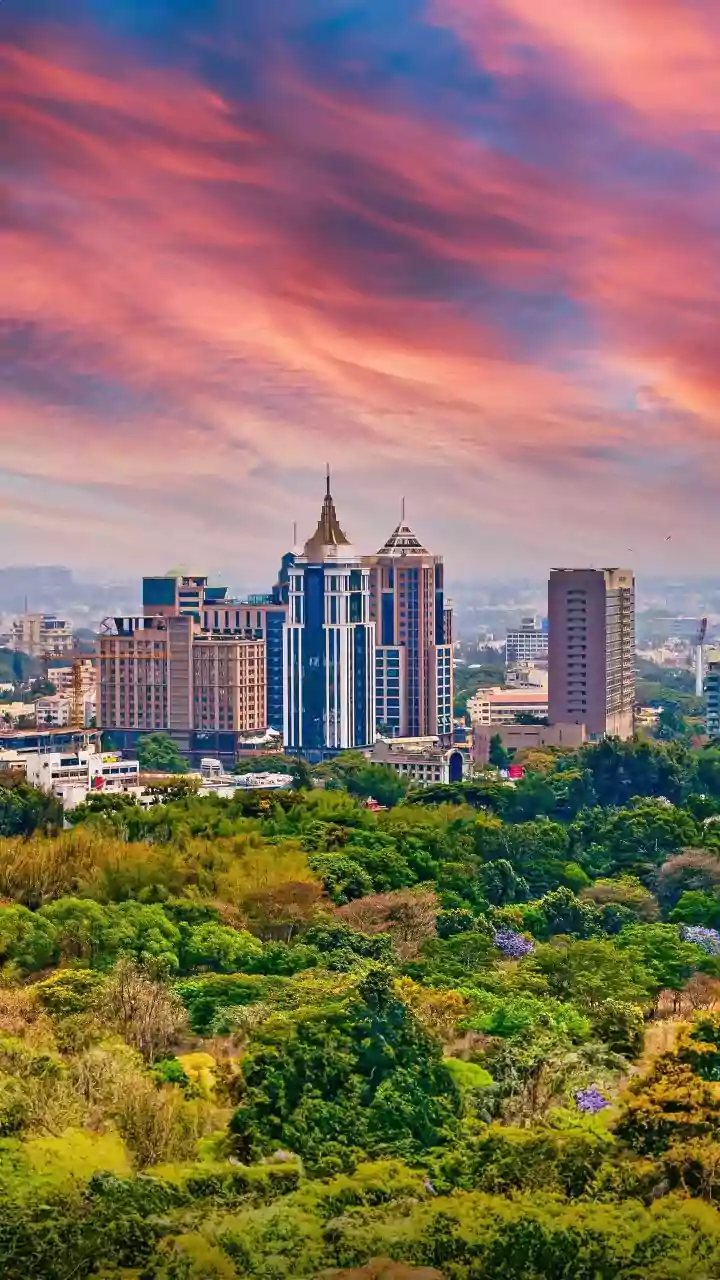
India's rapid development requires massive infrastructure projects, from power plants to water supply systems. But this progress comes with a significant challenge: land. Acquiring large tracts of land is often a complex, costly, and time-consuming process,
frequently leading to delays and social friction. It can displace communities and disrupt delicate ecosystems, making it one of the most significant bottlenecks for national development. This constant pressure on land resources has pushed engineers and policymakers to think outside the box, seeking innovative ways to build the necessary infrastructure without paying an unsustainable price in land, money, and time.
A New National Vision: The Surya Sarovar Model
The term 'Surya Sarovar' has recently gained prominence, representing a forward-thinking strategy for development. While the name might be associated with specific locations, it embodies a broader concept: using the surfaces of existing water bodies for development projects. In July 2026, the Union Cabinet gave this concept a major push by approving the 'Pradhan Mantri Surya Sarovar Yojana'. This scheme aims to develop 5,000 MW of floating solar photovoltaic (FSPV) projects on reservoirs and other water bodies across the country. By placing solar panels on buoyant platforms, the scheme aims to generate vast amounts of clean energy without acquiring a single acre of new land. This approach not only conserves land for other uses like agriculture and housing but also offers additional environmental benefits.
How Floating Solar Works
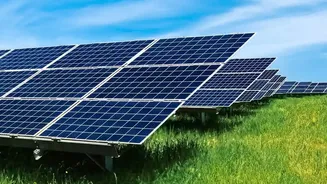
The 'Surya Sarovar' or floating solar concept is elegant in its simplicity. Instead of being mounted on the ground, solar panels are fixed onto floating structures anchored in a reservoir, lake, or even a large pond. This method has several key advantages. Firstly, it frees up land, which is especially valuable in densely populated regions. Secondly, the water underneath has a cooling effect on the solar panels, which can increase their efficiency and power generation. Thirdly, the panels covering the water's surface reduce evaporation, preserving precious water resources—a critical benefit in a water-stressed country. The scheme also includes co-located energy storage systems, ensuring that the power generated can be saved and used during peak demand, thereby strengthening the reliability of the grid.
Beyond Energy: The Agra Example
The principle of using existing water bodies extends beyond solar energy. In Agra, home to the Soor Sarovar Bird Sanctuary and Keetham Lake, a human-made reservoir, this idea is being applied to water management. The lake, originally created to supply water to the city, is a vital part of the regional ecosystem and a designated Ramsar site of international importance. Recent plans for Agra's water supply involve rejuvenating and utilising Keetham Lake as a core component of the system. By feeding the lake with treated wastewater, authorities can maintain its levels, support the bird sanctuary, and create a stable source for the city's water needs without extensive new construction or land use. This integrated approach, which combines water recycling and the use of an existing reservoir, demonstrates how urban needs and environmental conservation can coexist.
A Sustainable Blueprint for India's Future
The 'Surya Sarovar' model, whether for generating solar power or managing water resources, represents a significant shift in infrastructure planning. It moves away from the traditional, land-intensive approach towards a more resource-efficient and sustainable model. By seeing India's vast network of reservoirs and lakes not just as water sources but as platforms for development, the government is unlocking new potential for growth. This strategy promises to accelerate the country's green energy transition, improve water security, and reduce conflicts over land. The success of projects under the Pradhan Mantri Surya Sarovar Yojana and the integrated water management plan in Agra could provide a scalable blueprint for cities and states across India, paving the way for a future where development and environmental preservation go hand in hand.