



A Sweet Signal from the Stars
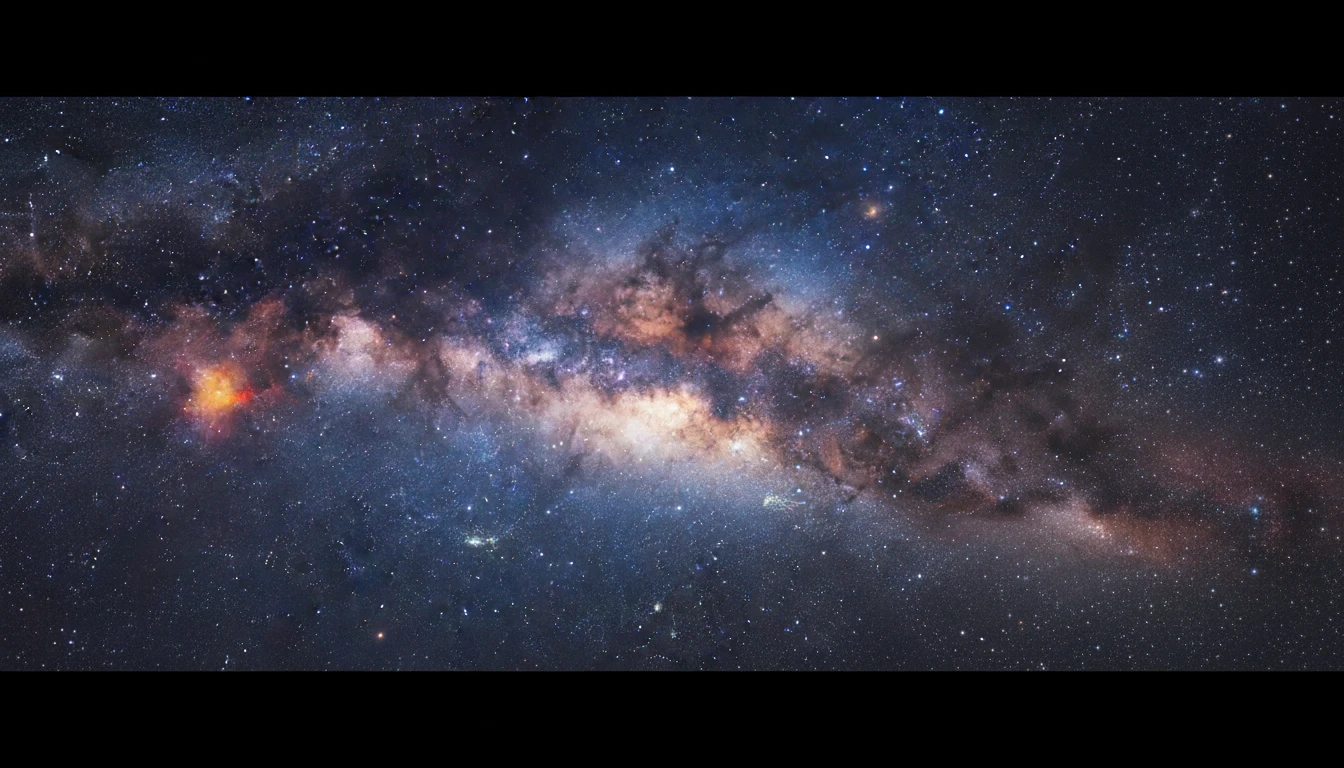
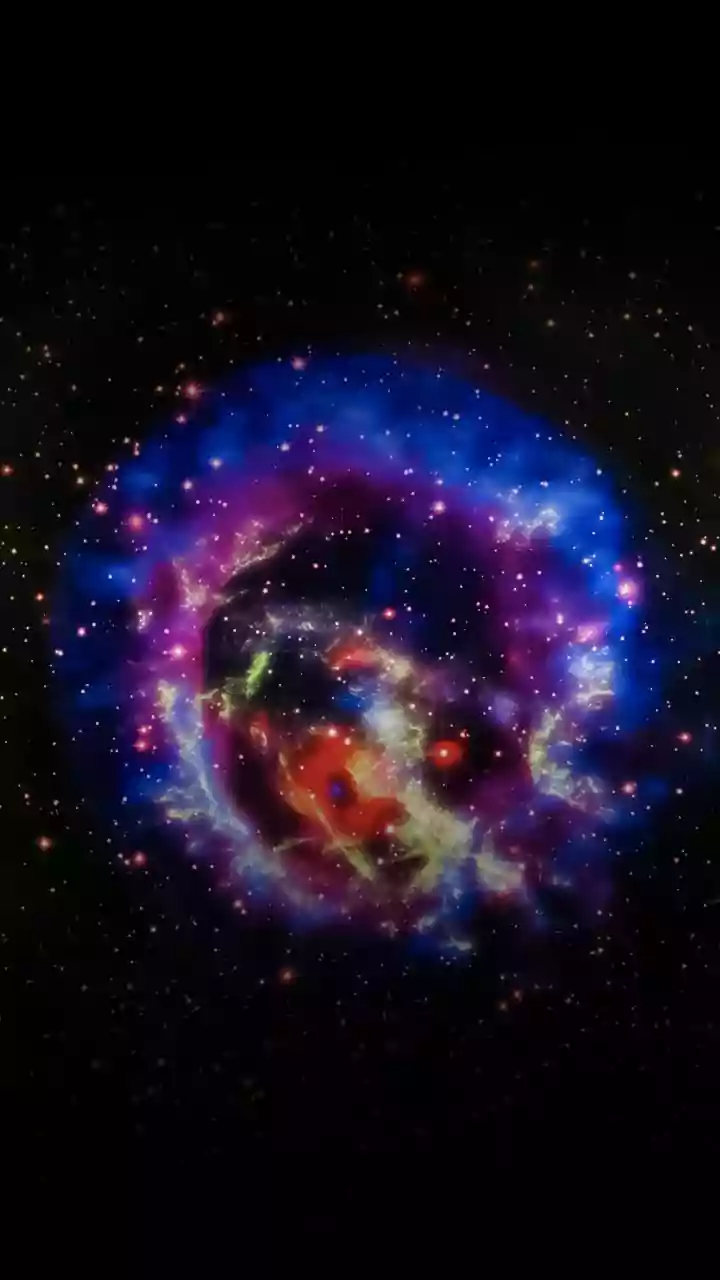
An international team of scientists has identified the first-ever 'true' sugar molecule in interstellar space. Using powerful radio telescopes in Spain, they peered into a dense, dusty molecular cloud known as G+0.693-0.027, located near the supermassive
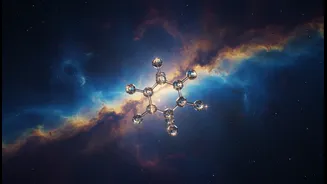
black hole at the heart of our Milky Way galaxy. After careful analysis, they detected the unmistakable chemical fingerprint of erythrulose, a four-carbon sugar. Previous searches had found simpler, sugar-like molecules in space, but this is the first detection of a more complex sugar in the void between stars, a significant leap in understanding cosmic chemistry.
The Raspberry Connection (and a Tan)
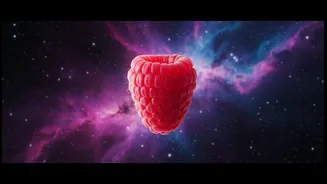
So, does this mean a giant cosmic fruit basket is floating out there? Not quite. The link to raspberries is real—erythrulose is a naturally occurring compound found in the fruit. However, in a surprising twist, the molecule is also a key active ingredient in many sunless tanning lotions, where it reacts with amino acids in the skin to create a brown colour. The discovery is less about space smelling like a fruit patch and more about a complex organic molecule, vital for biology, forming under the extreme conditions of deep space, far from any star’s warmth.
The Ingredients for Life
This finding is profoundly important for one of the biggest questions in science: how did life begin on Earth? Sugars are fundamental to life as we know it. They are a source of metabolic energy and, crucially, form the structural backbone of RNA and DNA, our genetic blueprints. For years, scientists have puzzled over how these sugars could have formed in sufficient quantities on the chaotic surface of early Earth. This discovery offers a compelling alternative: what if the ingredients weren’t made here, but delivered from space? The presence of erythrulose in a star-forming cloud suggests that the building blocks of life are common throughout the galaxy.
A Cosmic Delivery Service
The molecular cloud where the sugar was found is a stellar nursery, a place where new stars and planets are born. The theory is that as these systems form, molecules like erythrulose get incorporated into asteroids and comets. These cosmic wanderers could have then rained down on a young Earth billions of years ago during a period known as the Late Heavy Bombardment, delivering a prebiotic soup of organic materials. Researchers estimate that millions of tonnes of this sugar could have reached our planet this way, potentially kickstarting the chemical processes that led to the first living organisms.
A Stepping Stone to DNA
While erythrulose itself is not a direct component of our genetic code, it is a crucial chemical stepping stone. In the presence of water, it can be converted into other molecules that are considered precursors to the very first nucleic acids—suspected ancestors of RNA and DNA. Furthermore, the discovery challenges our understanding of how complex molecules form in space. Erythrulose was found to be surprisingly abundant, more so than simpler sugars that scientists expected to see. This suggests that chemical reactions on the surfaces of icy dust grains are more efficient at creating complex molecules than previously thought.