






A Symphony on Water
Every year, as Kerala embraces the harvest festival of Onam, its serene waterways transform into arenas of exhilarating competition and profound tradition. This is the season of Vallam Kali, or snake boat races, a spectacle that draws thousands of visitors
from around the globe. More than just a sport, these races are a vibrant expression of community spirit, teamwork, and a heritage that dates back centuries, when kings ruled the backwaters and boats were their warships. Today, these events symbolise unity and cultural pride, with entire villages rallying behind their respective boats. The air crackles with energy, the beat of drums, and the chorus of Vanchipattu (boat songs) that guide the oarsmen to row in perfect, powerful synchrony.
The Nehru Trophy: A Race of Prestige
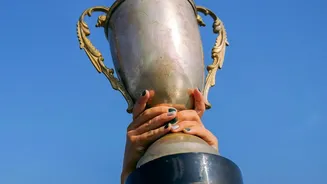
The crown jewel of competitive boat racing is the Nehru Trophy Boat Race, held on the vast Punnamada Lake in Alappuzha. Scheduled for the second Saturday of August each year, the 2026 race will take place on August 22nd. Its fame began in 1952 when India's first Prime Minister, Jawaharlal Nehru, was so captivated by a race held in his honour that he jumped into the winning boat in excitement. He later donated a silver trophy shaped like a snake boat, cementing the event's prestige. Known as the 'Olympics on water', this race is a pure test of speed and power. The long, majestic Chundan Vallams, or snake boats, some over 100 feet long with more than 100 oarsmen, slice through the water in a breathtaking display of human harmony and athletic prowess.
Aranmula: A Ritual of Devotion
In stark contrast to the fierce competition of the Nehru Trophy is the Aranmula Uthrittathi Vallamkali, a sacred and ancient water ritual. Scheduled for August 30, 2026, this event is not a race for a trophy but a devotional offering to Lord Krishna of the Sree Parthasarathy Temple, which stands on the banks of the holy Pampa River. Legend holds that the boat race originated when villagers in their snake boats came to the rescue of a sacred boat carrying offerings for a temple feast. The boats used here, called Palliyodams, are considered divine vessels. They are uniquely designed with a higher stern than a typical Chundan Vallam. The atmosphere is one of reverence, with oarsmen dressed in traditional white attire, singing devotional hymns as they glide across the water in a grand procession.
The Soul of the Race: The Magnificent Boats
The boats themselves are marvels of traditional craftsmanship, built by families who have passed the skill down through generations. The Chundan Vallams used in races like the Nehru Trophy were originally designed as naval warships and can carry over 100 rowers. The Palliyodams of Aranmula are equally impressive, held in reverence by the communities that own them. Building one can take months, using wood from the Anjili tree. Before each race season, the boats are carefully maintained and varnished with a mixture that once included fish fat to ensure they glide smoothly through the water. The unity required to propel these massive vessels is immense, guided only by the rhythmic chanting of the Vanchipattu and the beat kept by lead singers on board.