






The Challenge of Going Big on Solar
The global push for clean energy has led to the development of vast solar farms, sprawling across hundreds of acres. While essential for reducing carbon emissions, these large-scale installations create a new problem: land-use conflict. Every acre dedicated
to solar panels is an acre that cannot be used for farming, housing, or preserving natural habitats. This competition for space is a significant hurdle, especially in densely populated regions. Furthermore, managing these massive sites often involves using fossil-fuel-powered machinery for vegetation control, which can feel counterproductive to the green energy mission. Operators are constantly searching for solutions that make large-scale solar not just productive, but truly sustainable and integrated into the local environment.
Poznan’s Unlikely Solution: Sheep
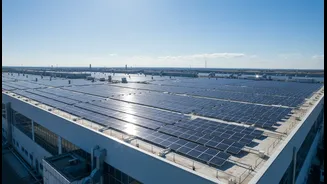
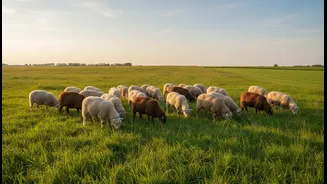
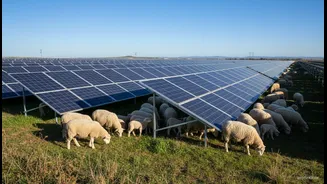
At a Volkswagen plant in Poznan, Poland, an 18.3-megawatt solar farm with over 31,000 panels is being maintained not by mowers, but by a flock of 100 sheep. Instead of scheduling regular mechanical grass cutting, the facility allows the animals to graze beneath the panels, naturally managing vegetation growth. This approach, known as solar grazing, is part of a broader concept called agrivoltaics—the simultaneous use of land for both agriculture and photovoltaic power generation. On a basic level, the benefits are obvious: the sheep replace loud, polluting lawnmowers, reducing operational costs and the carbon footprint of site maintenance. But the initiative in Poznan goes much deeper than simply swapping machines for animals.
What Makes It an 'Experiment'
What elevates the Poznan project from a clever maintenance trick to a potential global model is its foundation in scientific research. The project is a formal collaboration between Volkswagen, the site manager Quanta Energy, and the Poznań University of Life Sciences. Researchers are meticulously studying the entire ecosystem to create a data-driven blueprint for future agrivoltaic sites. The comprehensive study is analyzing everything from animal welfare and soil quality to changes in the local microclimate and biodiversity. Scientists want to quantify the benefits, asking questions like: Does the shade from the panels reduce heat stress in the sheep? How does grazing impact soil health and plant diversity compared to mowing? The goal is to move beyond anecdotal evidence and provide hard data on how to successfully and synergistically combine industry, agriculture, and nature.
A Mutually Beneficial Relationship
The early observations from Poznan point to a truly symbiotic relationship. The sheep benefit from the shade cast by the solar panels, which provides crucial protection from heat stress during hot weather. This creates a more comfortable and healthier environment for the animals. In return, the solar farm receives efficient, quiet, and eco-friendly groundskeeping. The sheep can reach areas under the panel arrays that are often difficult for bulky mowers to access, ensuring comprehensive vegetation control. This natural management supports biodiversity and creates a healthier ecosystem than a regularly mowed, monoculture field. The director of the Volkswagen plant noted that the farm now produces much more than just clean electricity; it has become a site that actively supports biodiversity and local agriculture.
From Poznan to the World
While promising, the agrivoltaics model is not without its challenges. The initial setup costs can be higher, as solar arrays may need to be elevated to accommodate crops or livestock. Furthermore, not all crops are suitable for the partial shade created by panels, and not all livestock are a good fit. This is precisely why the research component at Poznan is so critical. By gathering detailed data, the project aims to address these uncertainties and develop best practices that can be adapted and replicated elsewhere. It is creating a case study that demonstrates not just the feasibility, but the multifaceted value of integrating agriculture into renewable energy infrastructure. The data will help other developers understand the specific conditions needed for success, paving the way for wider adoption.