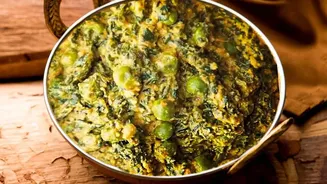







Saag is more than just a comforting staple of Indian cuisine; it's a nutritional powerhouse hiding in plain sight. This delicious dish, made from a blend of leafy greens, is particularly rich in one crucial nutrient: dietary fibre.
What Exactly Is Saag?
In India, 'saag' is
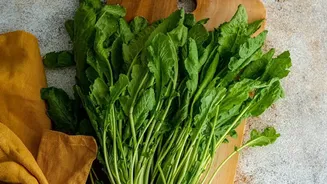
a general term for dishes made from leafy green vegetables. While sarson ka saag (made from mustard greens) is the most famous, especially in Punjabi cuisine, saag can be prepared with a variety of greens. This includes palak (spinach), methi (fenugreek leaves), bathua (wild spinach), and chaulai (amaranth leaves). Traditionally, these greens are slow-cooked with spices like garlic and ginger until they become a thick, flavourful purée. This combination of different greens is what makes saag so nutritionally diverse and potent.
The Critical Role of Dietary Fibre
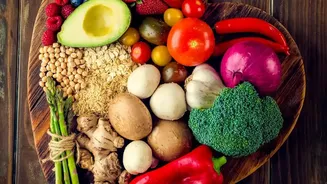
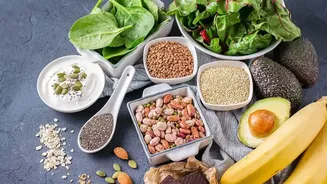
Dietary fibre is a type of carbohydrate that our bodies cannot digest. It plays a vital role in maintaining our health. There are two main types: soluble and insoluble fibre, and most plant-based foods contain a mix of both. Soluble fibre dissolves in water to form a gel-like substance, which can help lower 'bad' cholesterol and regulate blood sugar levels. Insoluble fibre does not dissolve in water; instead, it adds bulk to stool, which aids in smooth digestion and helps prevent constipation. A high-fibre diet is linked to a lower risk of heart disease, diabetes, and certain digestive disorders.
Saag's Leafy Greens: A Fibre-Rich Blend
The leafy vegetables that form the base of saag are excellent sources of dietary fibre. For instance, a 100-gram serving of bathua contains about 3.8 grams of fibre, while palak offers around 2 grams. Mustard greens (sarson) provide approximately 2 to 2.8 grams of fibre per 100 grams. When these greens are combined and cooked down to make saag, the fibre content becomes concentrated. A typical serving of homemade saag can provide around 2 to 3 grams of fibre. This fibre content contributes to a feeling of fullness, which can aid in weight management, and supports a healthy digestive system by promoting regular bowel movements.
Beyond Fibre: A Nutrient Powerhouse
While the fibre content is impressive, saag offers a wealth of other essential nutrients. Leafy greens are packed with vitamins and minerals. Saag is an exceptional source of Vitamin K, crucial for bone health and blood clotting, with just 100g of sarson ka saag providing over 300% of the daily requirement. It is also rich in Vitamin A, which supports vision and immune function, and Vitamin C, a powerful antioxidant that helps the body fight off infections. Furthermore, saag provides important minerals like calcium for strong bones and iron, which is essential for preventing anaemia. For example, 100 grams of bathua contains a remarkable 290 mg of calcium.
Making the Most of Your Saag
How you prepare saag can influence its nutritional profile. While cooking can reduce the levels of some water-soluble vitamins like Vitamin C, it can also make other nutrients more available for the body to absorb. For example, cooking breaks down the tough cell walls of greens, which can make it easier for your body to absorb minerals like iron and calcium. Steaming or using minimal water is generally better than boiling for long periods to preserve heat-sensitive nutrients. Traditionally, saag is served with a dollop of ghee or butter. While this adds calories, a small amount of healthy fat is actually beneficial, as it helps the body absorb fat-soluble vitamins like A and K.