




The Roasting Dilemma
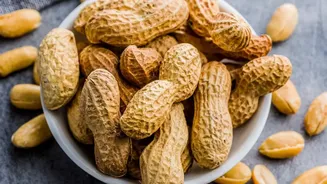
You followed the recipe, spread your raw peanuts on a baking sheet, and put them in a preheated oven. Yet, when the timer goes off, you discover a disappointing disparity. The peanuts on top look perfectly toasted, while the ones that were touching the pan
are a shade too dark, bordering on burnt. This common kitchen conundrum isn't a result of bad luck; it’s a matter of basic physics and food science. Understanding what happens inside that hot oven is the key to unlocking a consistently perfect roast. The goal is an even colour and crunch throughout the batch, without the acrid taste that comes from nuts that have cooked too quickly.
A Tale of Two Heats
When you place a pan in the oven, heat is transferred to your food in two primary ways: convection and conduction. Convection is heat transferred through the air. The hot air circulates around each individual peanut, cooking it gently and evenly. Conduction, on the other hand, is heat transferred through direct contact. The metal baking sheet gets very hot and transfers that heat directly and intensely to any part of the peanut it is touching. Think of it as the difference between standing in a hot room (convection) and placing your hand on a hot stove (conduction). The direct contact of conduction is far more aggressive and cooks the bottom of the peanuts much faster than the circulating air cooks the top.
The Magic of Maillard
The browning process itself has a name: the Maillard reaction. First described by a French chemist over a century ago, this reaction occurs when the amino acids (from proteins) and natural sugars in food are exposed to heat. This chemical dance creates hundreds of new aromatic compounds and brown pigments, transforming the peanut from its raw state into the flavourful, fragrant, and crunchy snack we love. The issue with uneven roasting is that the peanuts at the bottom of the pan undergo this reaction far too quickly due to the intense conductive heat, leading them to develop bitter, burnt flavours while the nuts on top are still developing their ideal taste and colour.
The Simple Art of Stirring
This is where the simple, game-changing action of stirring comes in. By stirring or shaking the pan midway through the roasting process, you solve the heat-transfer problem. You move the intensely heated peanuts from the bottom to the top, allowing them to finish cooking in the gentler convective heat of the oven's air. At the same time, you move the paler top peanuts down to have their turn in direct contact with the pan. This redistribution ensures that all the peanuts get a more balanced exposure to both types of heat, allowing them all to undergo the Maillard reaction at a similar, controlled pace. The result is a uniformly golden and delicious batch, free of burnt spots and pale patches.
Tips for a Perfect Roast
To put this science into practice, follow a few simple guidelines. First, always arrange your peanuts in a single layer on a rimmed baking sheet; piling them up guarantees an uneven roast. A standard oven temperature for roasting shelled raw peanuts is 175°C (350°F). For a typical batch, plan to roast for about 15 to 20 minutes in total. The crucial step is to stir them every 5 to 8 minutes. This frequent agitation is the secret to evenness. Finally, remember that peanuts continue to cook from residual heat after you take them out of the oven. Pull them out when they are slightly lighter than your desired final colour; they will darken and crisp up as they cool on the pan.