







Geography and Grains Dictate the Dish
The primary logic behind India’s breakfast variety starts with its agriculture and geography. The country's diverse landscape directly influences the staple grains grown in each region, which naturally form the base of the morning meal. In the vast Gangetic
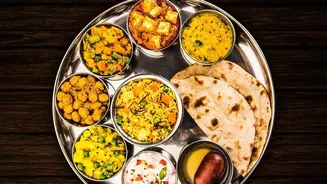
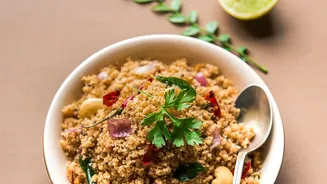
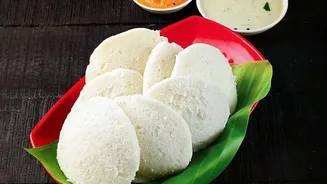
plains of North India, where wheat thrives, breakfast is dominated by wheat-based flatbreads. Think of the classic Aloo Paratha, a pan-fried bread stuffed with spiced potatoes, often served with yogurt and pickles—a filling meal designed to fuel a day of hard work. In contrast, the southern and eastern states, with their abundant rice paddies, turn to rice and lentils. This is why dishes like idli (steamed rice cakes) and dosa (fermented rice and lentil crepes) are breakfast staples in the South. In Western India, particularly Maharashtra and Gujarat, you'll find millets and flattened rice taking center stage in dishes like Poha and Thepla.
Climate's Influence on Cooking Methods
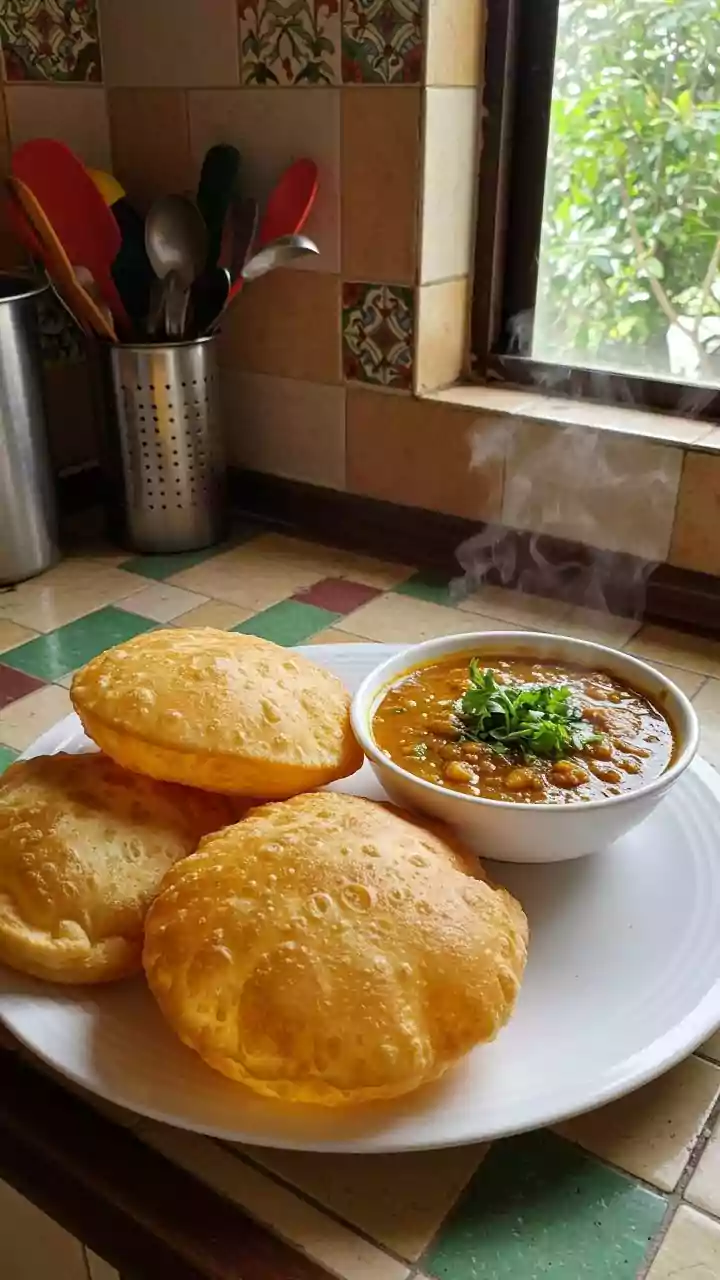
Climate plays a crucial role in determining not just the ingredients but also the cooking methods. In the hot and humid coastal regions of the South and West, steaming is a preferred technique. Steamed foods like idli and Gujarat’s dhokla (a savory gram flour cake) are light, non-oily, and easy to digest, making them perfect for warmer weather. Conversely, in the colder northern parts of the country, heartier, heat-generating foods are common. Deep-frying or pan-frying with ghee or oil, as seen in dishes like Chole Bhature (spicy chickpeas with fried bread) from Punjab or Bedmi Puri from Uttar Pradesh, provides the body with much-needed warmth and energy to withstand the cold. This climatic logic ensures that breakfast is not only delicious but also functionally adapted to the local environment.
The Ancient Wisdom of Ayurveda
Underpinning much of Indian culinary tradition, including breakfast, are the principles of Ayurveda, an ancient system of wellness. Ayurveda views breakfast as a vital meal to gently awaken the digestive fire, or 'Agni,' for the day. It generally recommends a warm, light, and nourishing morning meal that is easy to digest. Many traditional Indian breakfasts align perfectly with this concept. Dishes like Upma (a savory semolina porridge), Poha, and Idli are cooked, served warm, and are relatively light on the stomach. According to Ayurvedic principles, starting the day with cold, raw, or heavy foods can dampen the digestive fire, leading to sluggishness. Therefore, the emphasis on freshly cooked, warm meals is a deliberate choice rooted in a holistic approach to health and well-being that has been practiced for centuries.
Fermentation for Flavor and Health
The science of fermentation is another cornerstone of Indian breakfast logic, particularly in the South. The batter for staples like idli and dosa is made from a ground mixture of rice and urad dal (black gram) that is left to ferment overnight. This natural process does more than just leaven the batter and create a soft, spongy texture; it transforms the food into a nutritional powerhouse. Fermentation enhances the bioavailability of nutrients, meaning the body can absorb vitamins and minerals more easily. It also enriches the food with probiotics, the beneficial bacteria that are crucial for good gut health. This age-old technique makes the food easier to digest and adds a characteristic tangy flavor, showcasing a deep, intuitive understanding of food science.
A Complete, Balanced Meal
An Indian breakfast is rarely a single-item affair. It is conceived as a complete, balanced meal that satisfies all tastes and nutritional needs. A plate of idli or dosa is almost always accompanied by sambar (a lentil and vegetable stew) and a variety of chutneys. The sambar provides protein and vegetables, while the chutneys, often made from coconut, tomato, or mint, add different flavor dimensions—tangy, spicy, and fresh. Similarly, a paratha in the North is served with yogurt (for probiotics and cooling) and a spicy pickle to aid digestion. This concept of combination ensures a balance of carbohydrates, proteins, fats, and fiber, along with a harmony of the six tastes recognized in Ayurveda: sweet, sour, salty, pungent, bitter, and astringent.