



The International Energy Agency (IEA) has issued a stark warning: global energy markets are unlikely to return to pre-crisis stability by 2027. For India, this forecast signals a period of uncertainty for everything from fuel costs to inflation.
What is the IEA Warning About?
The core
of the IEA's message, delivered by Executive Director Fatih Birol, is that geopolitical conflicts have fundamentally disrupted energy supplies, and these effects will linger. The agency sees 'no credible pathway' for oil, natural gas, and refined product markets to return to their pre-war state in 2027. This warning, issued in late October 2026, highlights that disruptions to shipping and production have tightened a market that was expected to see a surplus. The result is sustained high prices and heightened concerns about energy security, especially for major importing nations.
Why is This Happening Now?
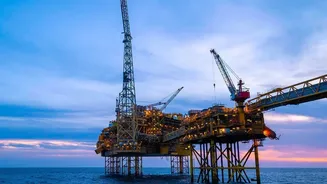
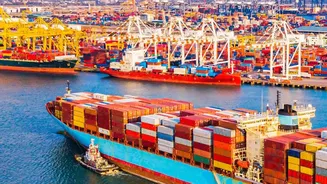
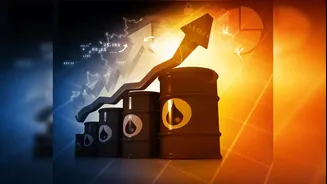
Several factors are converging. Ongoing conflict in the Middle East has directly impacted the flow of oil and liquefied natural gas (LNG), with oil prices 'flirting with $120 a barrel' in late 2026. This has put key shipping routes like the Strait of Hormuz under pressure. At the same time, there's been a structural shift. Years of underinvestment in new oil and gas projects, partly driven by a push toward green energy, have left the traditional energy sector with less capacity to absorb shocks. The IEA also points to a dangerous concentration in clean energy supply chains, with a few countries dominating production of solar panels and batteries, creating new vulnerabilities.
What Does This Mean for India?
As a nation that imports over 85% of its crude oil and half of its natural gas, India is particularly exposed to global price volatility. Sustained high prices directly impact India's trade deficit, put upward pressure on inflation, and can strain government finances. The price of diesel, a crucial fuel for transport and agriculture, is a major concern, with tight global markets expected to persist into 2027. This could raise costs for everything from food transportation to farming, potentially impacting consumer prices months down the line. Furthermore, India's own electricity demand is forecast to grow faster than many other major economies, rising 7% in 2026, which makes a stable and affordable energy supply critical.
Are Renewables the Whole Answer?
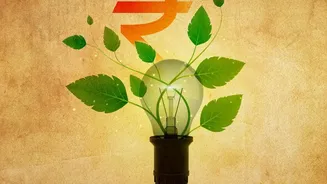
While India is rapidly expanding its renewable energy capacity, it's not a simple fix for the immediate future. The IEA notes that the 'age of electricity is coming,' driven by the energy crisis. Renewables are set to become the largest source of global electricity by 2027. However, the transition brings its own challenges. India could face evening power shortages by 2027 as solar power fades for the day, highlighting an urgent need for massive investment in battery storage solutions. One report suggests India needs to add 100-120 GW of new solar capacity by 2027, with a large portion attached to battery systems, to manage peak demand. This reliance on technology from a concentrated global market presents its own energy security risks.
The Outlook Through 2027
The period leading up to 2027 will be a tightrope walk. The IEA warns that governments and businesses must make energy security their top priority. For India, this involves a multi-pronged strategy. Officials have emphasised diversifying energy supplies, expanding domestic refining capacity, and strengthening storage infrastructure to protect consumers. While some analysts predict oil prices may moderate to around $80 per barrel in 2027 as supply recovers, this forecast remains highly conditional on geopolitical stability. The key takeaway is that the era of predictable, cheap energy is on hold. The next few years will likely be defined by market volatility, forcing a greater focus on resilience, domestic production, and strategic investments in both traditional and renewable energy systems.