




The Thrill of the Wild
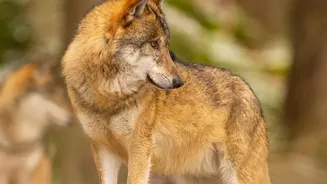
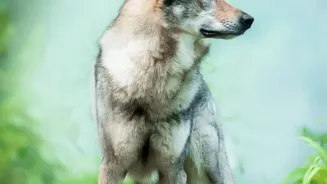
Across Europe, a growing number of nature enthusiasts are trading sandy beaches for rugged mountain ranges and dense forests. Their goal: to track and observe one of the continent's most elusive and iconic apex predators—the grey wolf. This niche form
of wildlife tourism taps into a primal desire to connect with a world that feels increasingly distant. For many, it’s not just about the potential sighting, which remains rare and is never guaranteed. It is about immersing oneself in the wilderness, learning the art of tracking from paw prints and other signs, and feeling the quiet electricity of knowing that a wild pack moves through the same landscape. Tour operators in countries like Italy, Spain, Poland, and Sweden now offer expert-led expeditions that take small groups deep into wolf territory. These trips often involve early starts, long treks through challenging terrain, and hours of patient observation, but the reward is an experience that participants describe as unforgettable.
A Comeback Story
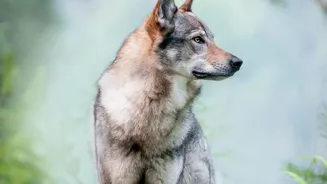
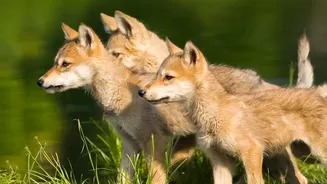
This unique travel trend would not be possible without one of modern Europe's biggest conservation success stories: the return of the wolf. After being hunted to the brink of extinction across much of the continent in the 19th and 20th centuries, wolf populations have made a remarkable recovery. Thanks to legal protections and conservation efforts, there are now an estimated 21,500 wolves across Europe. Their range has expanded by roughly 25% in the last decade alone. From the Apennine Mountains in Italy to the Carpathian Mountains in Slovakia and the forests of Poland, wolves are reclaiming their ancestral lands. This comeback has been crucial for restoring ecological balance, as wolves help control populations of deer and wild boar. However, their return is not without friction, as it revives old conflicts with farming communities.
On the Trail of a Ghost
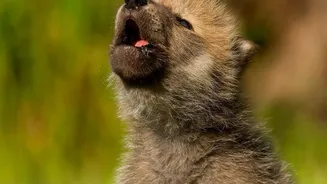
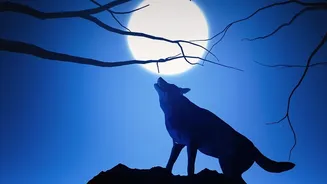
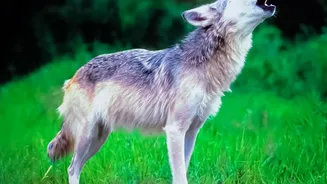
So, what is a wolf tracking tour actually like? Expect to rise before dawn, as wolves are most active around sunrise and sunset. Led by experienced biologists and local guides who know the packs’ territories intimately, you learn to read the story left on the landscape. This includes identifying paw prints in mud or snow, finding scat, and looking for the remains of prey. A key part of the experience is listening. Guides might lead the group to a high vantage point at dusk to try and elicit a response howl from a nearby pack—a haunting and powerful sound that epitomises the wilderness. Sightings are a bonus, not the focus. Many trips focus on the ecology and behaviour of the wolves, contributing to a deeper appreciation for the animal. Travellers are advised to be realistic; the joy is in the search and the immersion in pristine nature, with a sighting being the ultimate prize.
Tourism for Coexistence
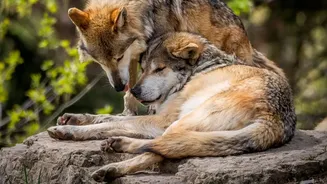
Beyond the thrill, this emerging form of tourism plays a potentially vital role in conservation. By creating economic opportunities linked to the presence of wolves, it gives the animals a tangible value to local communities that might otherwise only see them as a threat to livestock. Many tour operators partner directly with conservation organisations, with a portion of the trip's cost going towards monitoring initiatives and projects that promote human-wolf coexistence. These projects often involve helping farmers implement non-lethal deterrents, such as specialised guard dogs and secure fencing, to protect their flocks. In this model, the traveller is not just a spectator but an active participant in the conservation effort. This responsible approach ensures that the tours are conducted ethically, without disturbing the animals, turning a holiday into a meaningful contribution towards a future where humans and wolves can once again share the landscape.