








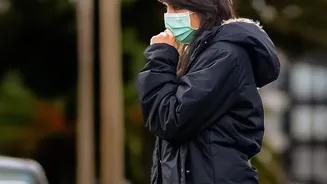
A Familiar Smog on an Unfamiliar Timeline
For residents of the National Capital Region, the annual decline in air quality is a dreaded, yet predictable, event. Typically, the air becomes hazardous after Diwali, as stubble burning in neighbouring states peaks and cold weather traps pollutants.
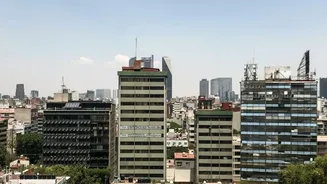
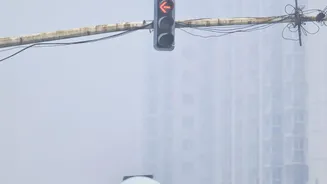
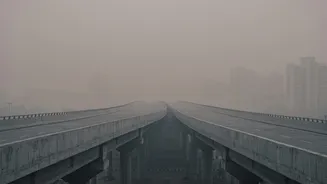
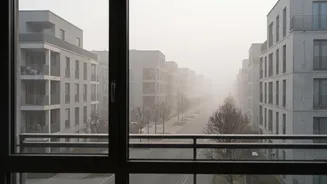
This year, however, the smog has arrived early. In the first week of October, Delhi recorded its worst air quality for this period in six years, with the Air Quality Index (AQI) repeatedly entering the 'poor' category. This early onset has caught many off guard, signalling that the sources of pollution and meteorological conditions are aligning unfavourably sooner than anticipated.
A Perfect Storm of Pollutants
The premature decline in air quality is not due to a single cause but a confluence of factors. A crucial element is the change in weather patterns. Following a period of rain and strong winds in late September that kept the air relatively clean, conditions have shifted. Wind speeds have dropped, and a phenomenon known as temperature inversion—where a layer of warm air traps cooler, denser, polluted air near the ground—is beginning to take hold. This meteorological trap means that local pollutants from vehicles, industry, and construction dust are not dispersing effectively and are accumulating in the air we breathe.
The Early Arrival of Stubble Smoke
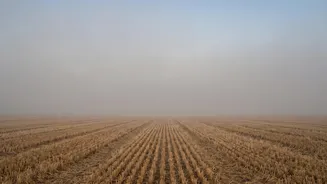
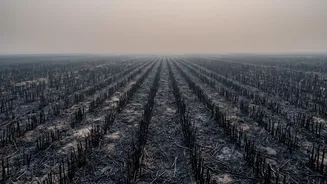
While local sources form the baseline of pollution, the seasonal spike is heavily influenced by farm fires in Punjab and Haryana. This year, early paddy harvesting, potentially linked to an unusual monsoon, appears to have led to an earlier start for stubble burning. Satellite imagery has already detected farm fires, and changing wind directions have begun transporting this smoke toward Delhi-NCR. Experts note that even a small contribution from stubble burning can significantly worsen the air quality when local weather conditions are already unfavourable. The Commission for Air Quality Management (CAQM) has deployed flying squads to 34 districts in Punjab and Haryana to monitor and prevent farm fires, but their effectiveness remains a key variable.
Authorities Tighten the Graded Response Action Plan
In anticipation of a difficult season, the CAQM has revised and activated the Graded Response Action Plan (GRAP). Stage I was implemented from October 1, focusing on measures like enforcing Pollution Under Control (PUCC) certificate compliance and dust control at construction sites. This year's GRAP is stricter, with some restrictions that were previously in Stage II now moved to Stage I. For example, curbs on certain diesel generator sets and non-compliant interstate buses from eight neighbouring states now kick in earlier. Furthermore, authorities are cracking down on violators, with recent inspections revealing non-compliance at numerous industrial units and construction sites. The plan is designed to be preemptive, with measures escalating based on air quality forecasts.
What This Means for Residents
The early onset of pollution season means a longer period of exposure to harmful air for millions. PM2.5, the fine particulate matter that is a primary pollutant during this season, can penetrate deep into the lungs and enter the bloodstream, leading to respiratory illnesses and cardiovascular problems. Children, the elderly, and individuals with pre-existing health conditions are particularly vulnerable. With the air quality already in the 'poor' category, health experts are advising at-risk populations to limit outdoor activities. As part of the GRAP, measures like doubling parking fees to discourage private vehicle use and allowing work-from-home may be implemented if the situation worsens.