

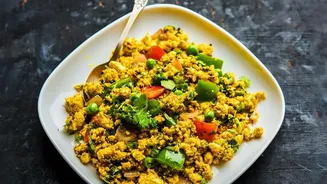
Aromatic Vegetable Pulao
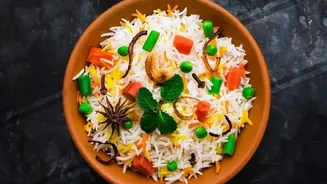
The magic of a good vegetable pulao lies in its fragrance, a quality that cloves are instrumental in creating. In this classic one-pot meal, two or three whole cloves are bloomed in hot ghee or oil alongside other whole spices like cinnamon sticks and
green cardamom pods. This process, known as 'tadka' or tempering, gently infuses the oil with the clove's warm, sweet, and slightly peppery notes before the rice and vegetables are even added. The key to balance is using the cloves whole; they release their aroma slowly during the cooking process without imparting the bitterness that can come from ground cloves. The result is a fluffy, flavourful rice where each grain is perfumed with a subtle warmth that complements the sweetness of carrots and peas, rather than overpowering them. Before serving, it's common practice to remove the whole cloves.
Spiced Lentil Soup (Dal)
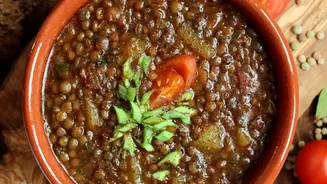
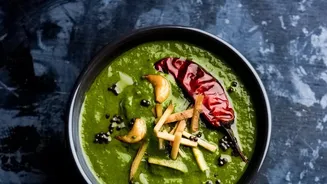
A simple dal is a cornerstone of Indian vegetarian cuisine, and cloves can elevate it from a basic staple to a deeply comforting dish. In many lentil soup recipes, one or two whole cloves are added to the pot while the lentils simmer, allowing their essence to meld with the earthiness of the dal. Another approach is to use cloves as part of the final tempering. After the dal is cooked, whole cloves are sizzled in hot oil with cumin seeds, mustard seeds, and dried red chillies. This aromatic oil is then poured over the lentils, creating a layered flavour profile. The clove adds a touch of complexity and warmth that beautifully balances the tang of tomatoes and the sharpness of ginger and garlic. It demonstrates how this potent spice can work in the background to make a dish feel more complete and satisfying.
Creamy Sweet Potato Curry
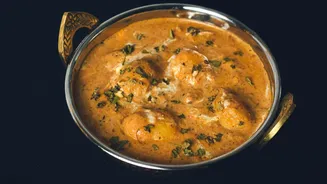
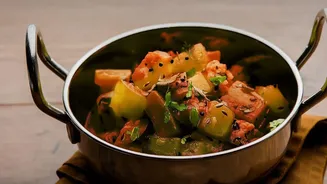
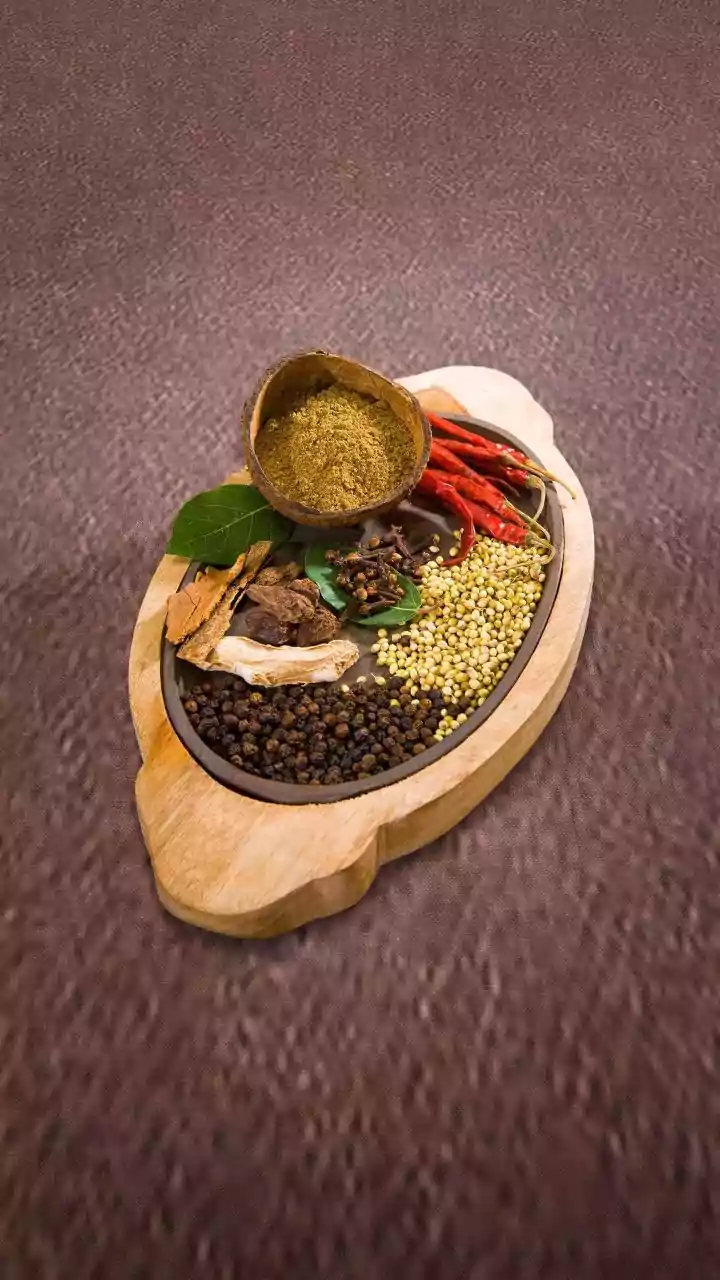
Sweet potato curry benefits immensely from the warm, aromatic touch of cloves. The spice's subtle pungency provides a perfect counterpoint to the natural sweetness of the sweet potatoes and the richness of coconut milk, which often forms the base of such curries. In this type of dish, ground cloves are typically used as part of a larger spice blend, often including turmeric, cumin, and a touch of cinnamon. Because ground cloves have a more potent flavour, a little goes a long way—often just a pinch is needed for a family-sized curry. The clove's role here is to add depth and a hint of festive warmth, preventing the dish from becoming overly sweet and one-dimensional. It melds into the sauce, creating a complex, restaurant-style flavour that feels both indulgent and balanced.
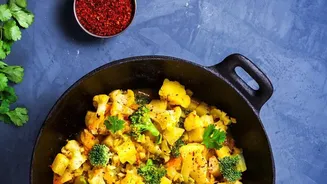
Spiced Vegetable and Root Stew
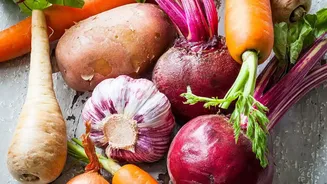
For a hearty, comforting meal, a vegetable stew featuring root vegetables like carrots and potatoes is a perfect candidate for the subtle inclusion of cloves. Similar to their use in pulao, whole cloves are often added to the oil at the beginning of the cooking process, allowing their aroma to bloom and infuse the entire dish. As the stew simmers, the cloves slowly release their warm, slightly sweet flavour, which beautifully complements the earthy taste of the root vegetables. The spice enhances the broth, adding a layer of complexity that transforms a simple vegetable stew into something fragrant and memorable. This method ensures the flavour is distributed gently, providing a warming undertone without the risk of an overpowering, medicinal taste. Just one or two cloves are usually enough to flavour a large pot.
Homemade Masala Chai
Beyond main courses, cloves are a non-negotiable component of authentic masala chai. While it's a beverage, a well-made masala chai is a comforting and balanced culinary creation in its own right. In this application, whole cloves are simmered in water along with other classic spices like crushed ginger, green cardamom pods, and cinnamon sticks before the black tea leaves and milk are added. The clove provides a crucial pungent, spicy note that cuts through the creaminess of the milk and balances the sweetness of the other spices. It’s a perfect example of cloves working in harmony with other strong flavours to create a final product that is warming, invigorating, and perfectly balanced. The key is the slow simmer, which extracts the aromatic oils without creating harshness.