





Returning to the Moon is no longer a distant dream; it's a meticulously planned project. NASA has outlined a clear, phased approach to not just visit, but to stay, by constructing a permanent lunar base at the Moon's South Pole.
Phase 1: Paving the Way with Robots
The first phase of NASA's
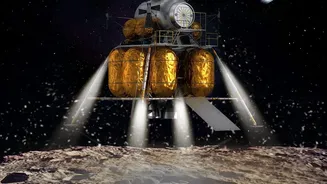
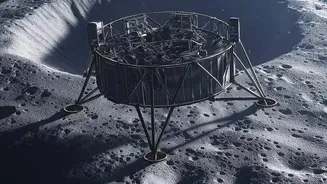
ambitious plan, currently underway and extending through 2029, is all about preparation and reconnaissance. This stage involves a rapid succession of robotic and uncrewed missions designed to scout the lunar surface, test new technologies, and deliver initial cargo. Through the Commercial Lunar Payload Services (CLPS) initiative, private companies like Astrobotic and Blue Origin are tasked with landing scientific instruments and other payloads. These missions are crucial for understanding the environment of the lunar South Pole, a region believed to hold significant deposits of water ice. This phase will see an unprecedented amount of activity, with plans for up to 21 landings to deliver rovers, power systems, and communication relays, essentially laying the logistical groundwork before the first astronauts arrive to stay.
The Artemis Missions: Returning Humans to the Surface
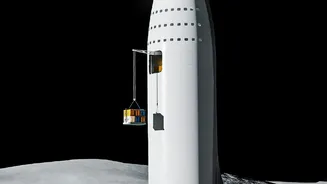
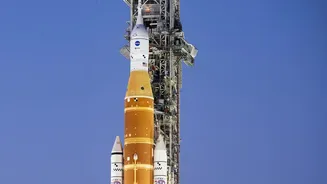
Running in parallel to the robotic setup are the flagship Artemis missions. After the successful uncrewed Artemis I flight and the crewed Artemis II lunar flyby in April 2026, the program is gearing up for the next steps. Artemis III, launching in 2027, has been adjusted to be a critical test mission in low Earth orbit, where the Orion spacecraft will practice rendezvous and docking with the human landing systems being developed by SpaceX and Blue Origin. The first crewed landing since the Apollo era is now targeted for Artemis IV in early 2028. This mission will see astronauts set foot near the lunar South Pole, utilizing the infrastructure and knowledge gathered by the precursor robotic missions. Subsequent Artemis missions will begin delivering larger components for the surface outpost.
Phase 2: Assembling the Foundation Habitat
From roughly 2029 to 2032, the focus will shift to assembling the initial surface infrastructure, creating what NASA calls the 'Artemis Base Camp'. This phase involves establishing a foundational habitat. Notably, hardware originally developed for the Lunar Gateway space station, such as the Habitation and Logistics Outpost (HALO), is being repurposed for surface demonstration missions. These missions will test the technologies needed for long-term survival, including power systems, thermal regulation, and communications that can endure the harsh, two-week-long lunar night. This phase will also see the arrival of larger assets, including a pressurized rover from the Japan Aerospace Exploration Agency (JAXA) that will allow astronauts to conduct extended science excursions away from the base.
Living Off the Land: In-Situ Resource Utilization
A sustainable lunar presence hinges on the ability to 'live off the land' through a process called In-Situ Resource Utilization (ISRU). This is a core component of the long term plan. ISRU involves harvesting and processing local materials to create essential supplies, drastically reducing the need to transport everything from Earth at immense cost. A primary target is the water ice suspected to be at the South Pole. This water can be extracted and then split into hydrogen and oxygen. These elements provide breathable air for astronauts and can be used as a powerful, locally sourced rocket propellant for landers, ascent vehicles, and future missions deeper into space. NASA is actively developing and testing technologies to excavate lunar regolith (soil) and extract these valuable resources.
Phase 3: A Permanent, Sustainable Outpost
The third and final phase, beginning in 2032, is the culmination of all previous efforts: establishing a continuous human presence on the Moon. By this point, any mission architecture will support larger cargo landers and routine crew rotations. The base will expand from a small outpost into a sprawling scientific and operational hub, potentially covering hundreds of square miles to access diverse geological areas. This mature base will feature robust power systems, habitats, and manufacturing capabilities, such as using processed regolith to construct landing pads and radiation shields. This permanent lunar foothold will not only enable unprecedented scientific discovery on the Moon but will also serve as a crucial proving ground for any technologies and procedures needed for humanity's next great leap: sending astronauts to Mars.