








Understanding the Restoration Deficit
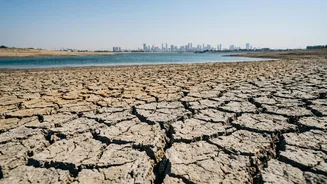
Across the globe, there is a vast disconnect between the promises made to restore forests and the reality on the ground. Countries have collectively pledged to restore over one billion hectares of degraded land, an area larger than China. However, progress
is alarmingly slow. A recent report from the UN's Food and Agriculture Organization (FAO) highlights this shortfall, warning that the window for action is narrowing. This isn't just about planting trees; it's about reviving entire ecosystems. An estimated 1.56 billion hectares of land are degraded worldwide, including more than 460 million hectares of forests. This degradation is driven by agriculture, urbanisation, and climate change, creating a structural imbalance that threatens both ecological stability and economies.
The Soil and Water Connection
Healthy forests are the silent partners of productive agriculture. They function like giant sponges, regulating water cycles by absorbing rainfall and releasing it slowly. This ensures a more consistent water supply for farming communities and helps maintain the quality of fresh water for billions of people. When forests disappear, this natural regulation is lost, leading to soil erosion and reduced rainfall, which can disrupt local weather patterns and impact crop yields. Healthy soils, which are essential for 95% of global food production, are being degraded at a startling rate, with deforestation being a primary cause. The nutrient cycling that happens in a forest, where organic matter decomposes and enriches the earth, is a vital service that directly supports the fertility of nearby agricultural land.
More Than Just Timber
The value of forests extends far beyond wood. For nearly a third of the global population, forests are a direct source of food, medicine, and livelihoods. They provide fruits, nuts, and other edible plants that serve as a crucial buffer during times of food shortage. Furthermore, forests are home to essential pollinators like bees, which are vital for the fertilization of many crops. The loss of this biodiversity directly impacts agricultural productivity. The link is so strong that deforestation is now considered a threat to global food supply chains. Recognizing this, many are turning to agroforestry—the practice of integrating trees into farms and agricultural landscapes. This approach not only helps restore degraded lands but also boosts crop yields, improves water retention, and provides farmers with diversified sources of income.
The Challenge for India
For India, the global forest restoration gap is a pressing national issue. The country faces the dual challenge of a large population and significant land degradation, which threatens agricultural output and food security. Deforestation has been linked to altered weather patterns, water scarcity, and reduced crop yields in the country. In response, India has made ambitious commitments, including a pledge under the Bonn Challenge to restore 26 million hectares of degraded and deforested land by 2030. As of late 2026, over 21 million hectares have reportedly been brought under restoration through national initiatives like the Green India Mission and large-scale projects such as the Aravalli Green Wall. These efforts are critical for creating an additional carbon sink and meeting climate goals, but also for securing the livelihoods and food supply of millions dependent on healthy ecosystems.
Closing the Gap for a Food-Secure Future
Closing the restoration gap is one of the most cost-effective investments we can make for our future. Every dollar spent on land restoration can yield up to $30 in economic benefits, including increased crop yields and improved water availability. Solutions like agroforestry have been shown to increase farmer incomes by up to 40% while significantly reducing soil erosion. It enables smallholder farmers, who produce much of the world's food, to optimize their land and build resilience against climate shocks. However, scaling up these efforts requires a significant increase in investment, stronger governance, and sustained political will from governments worldwide. The FAO has identified forest and landscape restoration not just as an environmental priority, but as a strategic investment in creating resilient food systems and supporting rural development for generations to come.