

The Soul of the Spice Box
Garam Masala, which translates to “warm spices,” is a cornerstone of Indian cooking. The name refers not to chili heat, but to its warming properties according to Ayurvedic tradition, intended to raise body temperature and aid digestion. Unlike many spice mixes
that are added early in cooking, Garam Masala is typically a finishing blend. It is often stirred in during the final minutes or sprinkled over a dish before serving to preserve its volatile, aromatic oils. While a standard commercial blend offers consistency, its true identity lies in its endless variations. Across India, the recipe changes from region to region, and even from family to family, reflecting local tastes, climate, and culinary history.
The Robust North
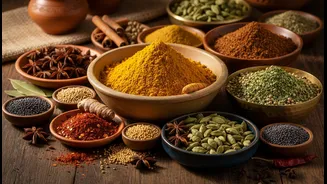
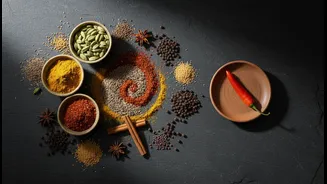
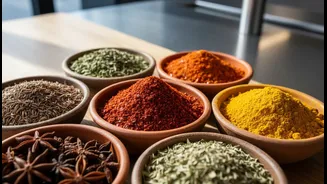
In North India, particularly in Punjab, Garam Masala is a robust and fragrant blend designed to complement rich dishes like dal makhani and butter chicken. The typical Punjabi version is defined by its aromatic warmth, often featuring a base of coriander, cumin, black peppercorns, cinnamon, cloves, and both green and smoky black cardamom. These spices are carefully dry-roasted to awaken their essential oils before being ground into a fine, dark brown powder. The resulting flavour is complex and earthy, with sweet notes from cinnamon and a floral character from cardamom, creating a blend that is potent but not overwhelmingly pungent.
The Minimalist East
Travel east to Bengal, and the philosophy behind Garam Masala shifts towards a more minimalist approach. The Bengali version is often simpler and more aromatic, focusing on a core trio of spices: green cardamom, cinnamon, and cloves. This pared-down recipe results in a blend that is sweeter and more fragrant than its Northern counterpart, perfectly complementing the subtle flavours of Bengali cuisine, from fish curries to vegetable preparations. While some North Indian recipes are defined by a dozen or more spices, the beauty of the Bengali blend lies in its elegant simplicity.
A Different Philosophy in the West and South
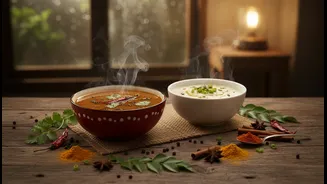
In other parts of India, the concept evolves even further. In Maharashtra, cooks often use Goda Masala, a distinct blend that serves a similar purpose but has a unique identity. It includes special ingredients like 'dagad phool' (stone flower) and roasted sesame seeds or coconut, which give it a nutty, slightly sweet, and dark profile that is quite different from Punjabi Garam Masala. In South India, the use of a single, all-purpose Garam Masala is less common. Instead, many cooks prefer to create fresh spice pastes tailored to each dish or use specific regional powders like Sambar or Rasam powder. When a Garam Masala is made, it might incorporate spices like star anise or fennel, reflecting the coastal spice trade history.
The Case for Keeping it Local
The fundamental difference between a regional or homemade blend and a mass-market product comes down to freshness and character. Commercial blends are designed for shelf life and consistency, often using fillers and losing their volatile aromatic oils over time. Freshly ground spices, however, deliver a flavour that is layered, vibrant, and undeniably superior. The subtle smokiness of a Kashmiri blend, which might include ginger powder, or the specific balance of spices in a family recipe passed down through generations are nuances that a single commercial product cannot capture. These regional recipes are a testament to the idea that a spice blend is not just a formula, but a reflection of culture.