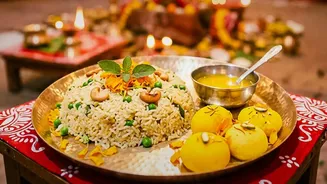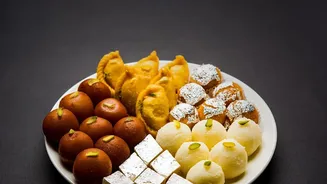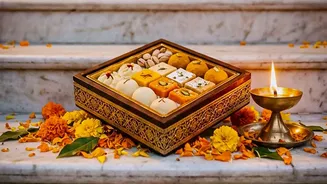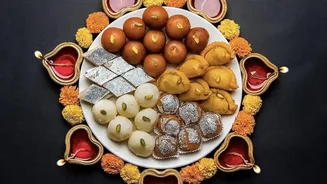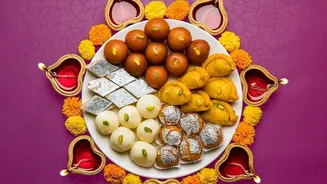






Diwali is synonymous with the sweet aroma of mithai. But festive indulgence doesn't have to mean a battle between flavour and fitness. It is possible to enjoy laddoos and barfi by focusing on mindful portions and making smarter choices.
The Great Sweet Debate: Laddoo vs. Barfi
The platters are
out, adorned with golden laddoos and shimmering barfis. While both are central to Diwali celebrations, they are not created equal. Laddoos, especially the popular besan laddoo, are typically made from gram flour roasted in generous amounts of ghee and then combined with sugar. A single medium besan laddoo can pack between 165 to 185 calories. Barfis, on the other hand, offer more variety. They are milk-based fudges that can be made from a wide range of ingredients, from nuts and seeds to flours and fruits. This variety is where the opportunity for a smarter choice lies.
A Closer Look at Barfi
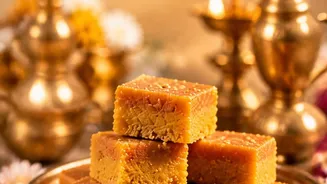
The term 'barfi' covers a wide family of sweets. A traditional kaju katli (cashew barfi) is relatively simple, made from cashew paste and sugar, with a small piece containing around 70-80 calories. Other milk or khoya-based barfis can be higher in calories. However, there are also 'healthier' versions available that have become increasingly popular. Anjeer (fig) barfi or khajur (date) barfi often use the natural sweetness of the dried fruits, reducing or eliminating the need for refined sugar. These versions also provide the added benefits of fibre, vitamins, and minerals from their core ingredients. Similarly, barfis made with a base of almonds or other nuts can offer healthy fats and protein.
The Golden Rule: Portion Control
Regardless of your choice, the most effective strategy for enjoying Diwali sweets is portion control. Festivals are a time for enjoyment, not anxiety over food. Nutritionists suggest that instead of banning sweets, a more sustainable approach is to enjoy them in thoughtfully measured quantities. A sensible limit is one or two small pieces a day. One practical tip is to cut sweets into smaller squares or halves; you still get the satisfying taste without consuming a full portion. Using smaller plates can also visually trick your brain into feeling satisfied with less. Remember, the goal is mindful indulgence, not deprivation.
Strategies for Mindful Eating
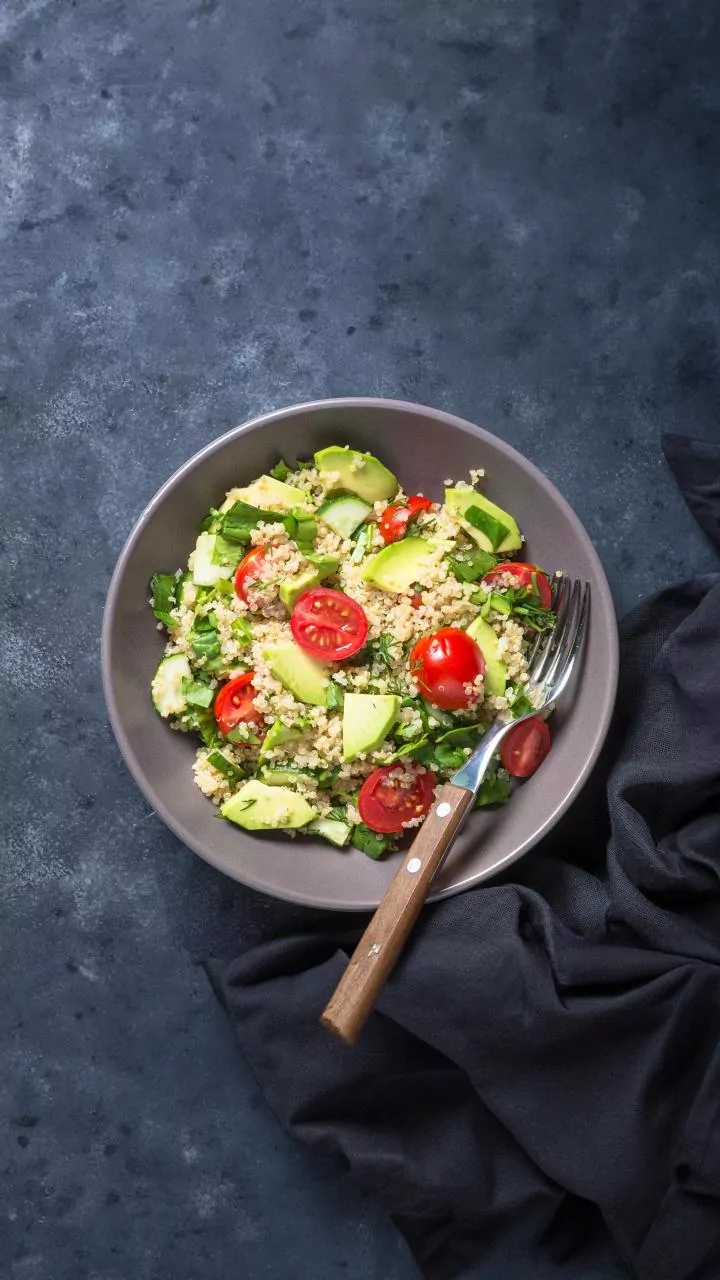
Mindful eating is about being present and savouring your food. During the festive rush, it's easy to eat without thinking. Instead, take a moment to sit down and focus on the sweet you've chosen. Eat slowly, appreciating the texture and flavour of each bite. This simple practice can increase satisfaction and prevent you from reaching for a second or third piece mindlessly. Another helpful strategy is to avoid eating sweets on an empty stomach. Having a sweet after a balanced meal that includes protein and fibre can help slow the absorption of sugar and prevent sharp spikes in blood sugar levels. Also, stay hydrated with water, as thirst can sometimes be mistaken for hunger.
Making Smarter Choices at Home
If you're preparing sweets at home, you have complete control over the ingredients. You can make several healthy swaps without compromising on taste. Replace refined white sugar with natural sweeteners like date paste, fig puree, or even a small amount of jaggery. Be aware, however, that while options like jaggery contain more minerals, they are still a form of sugar and should be used in moderation. You can also reduce the amount of ghee and opt for baking or air-frying instead of deep-frying where possible. Incorporating ingredients like nuts, seeds, and oats can add fibre and healthy fats, making your homemade treats more nutritious.