
An Artery of the British Empire
The story of Attari begins not as a border station, but as a crucial link in a vast colonial network. The Amritsar-Lahore railway line, completed in the early 1860s, was an engineering feat designed to connect the subcontinent. Part of the ambitious Scinde,
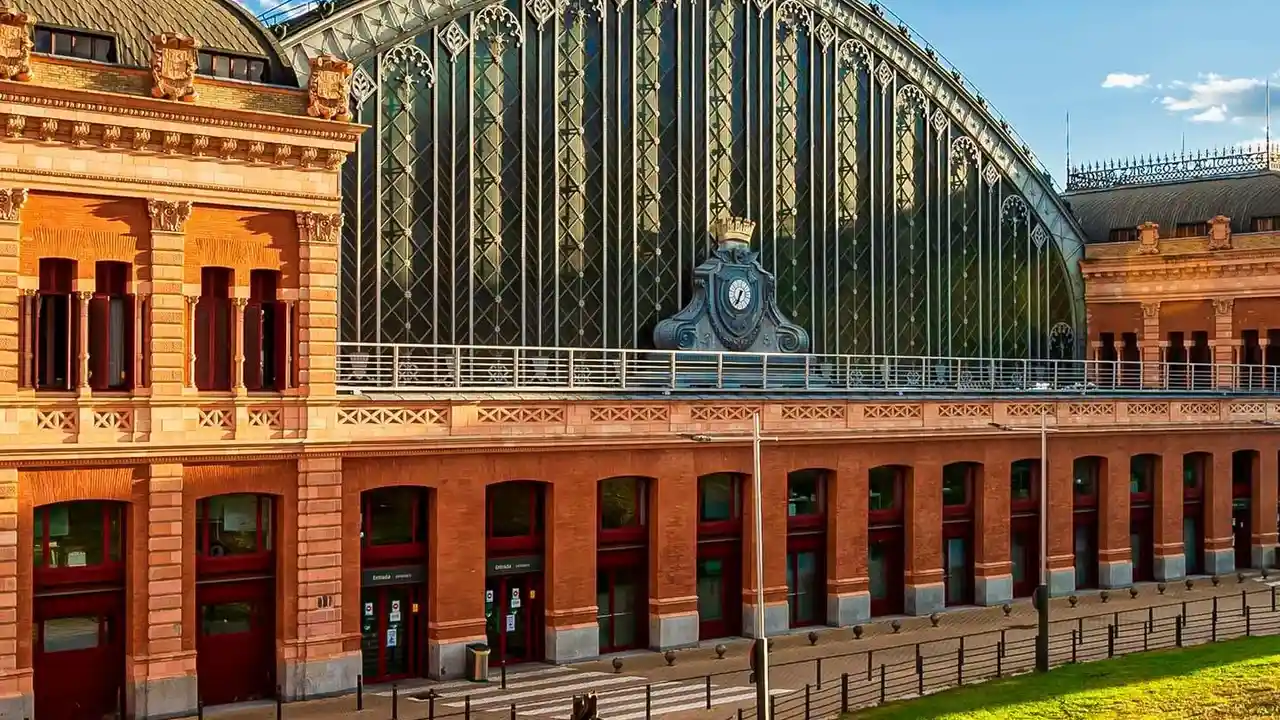
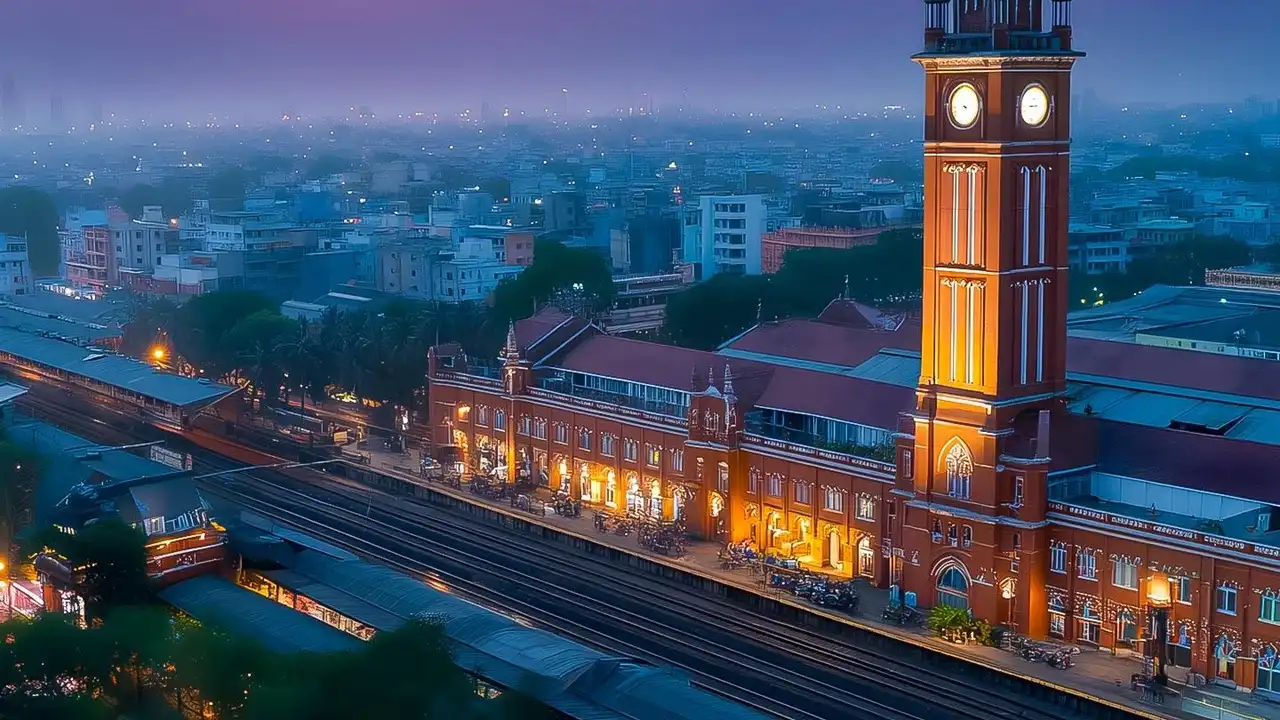
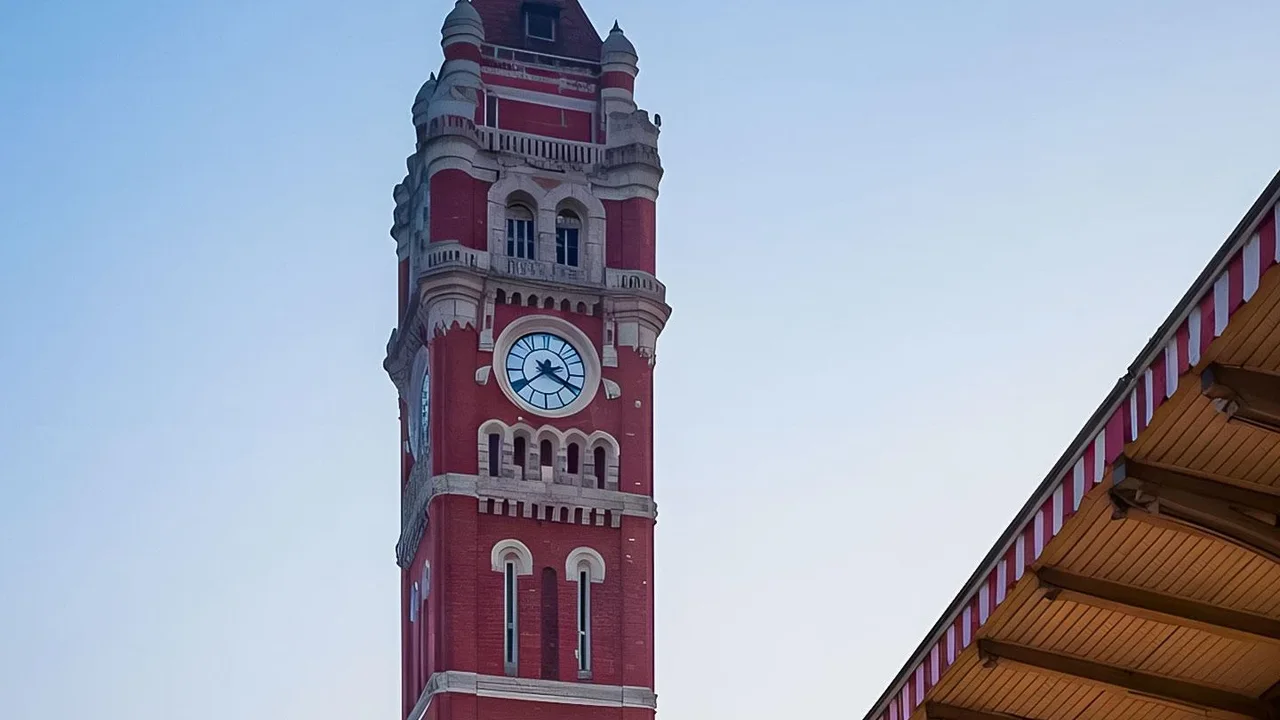
Punjab & Delhi Railway, this line was built to move troops, resources, and administrators efficiently across British India. Attari, which opened in 1862, was just another station on a bustling route that stretched from the ports of Bombay and Calcutta towards the strategic frontiers of the northwest. The architecture itself, a blend of functional British engineering and Indo-Saracenic arches, reflects its colonial heritage. For decades, it was simply a transit point, facilitating the flow of commerce and control that defined the British Raj.
The Rupture of 1947
The year 1947 transformed Attari’s identity forever. With the drawing of the Radcliffe Line, the seamless railway track between Amritsar and Lahore was violently severed. Attari, once an unremarkable stop, became the first and last station of a new nation. The railways, which had been a symbol of a connected subcontinent, became the primary mode of transport for one of the largest and most traumatic migrations in human history. Trains packed with refugees crossed in both directions, often arriving in eerie silence, carrying the victims of horrific communal violence. These tragic 'ghost trains' became a haunting symbol of Partition's brutality, and Attari station stood as the final gateway for those fleeing to India, a place that saw countless emotional farewells and desperate arrivals.
The Samjhauta Express: A Bridge of Hope
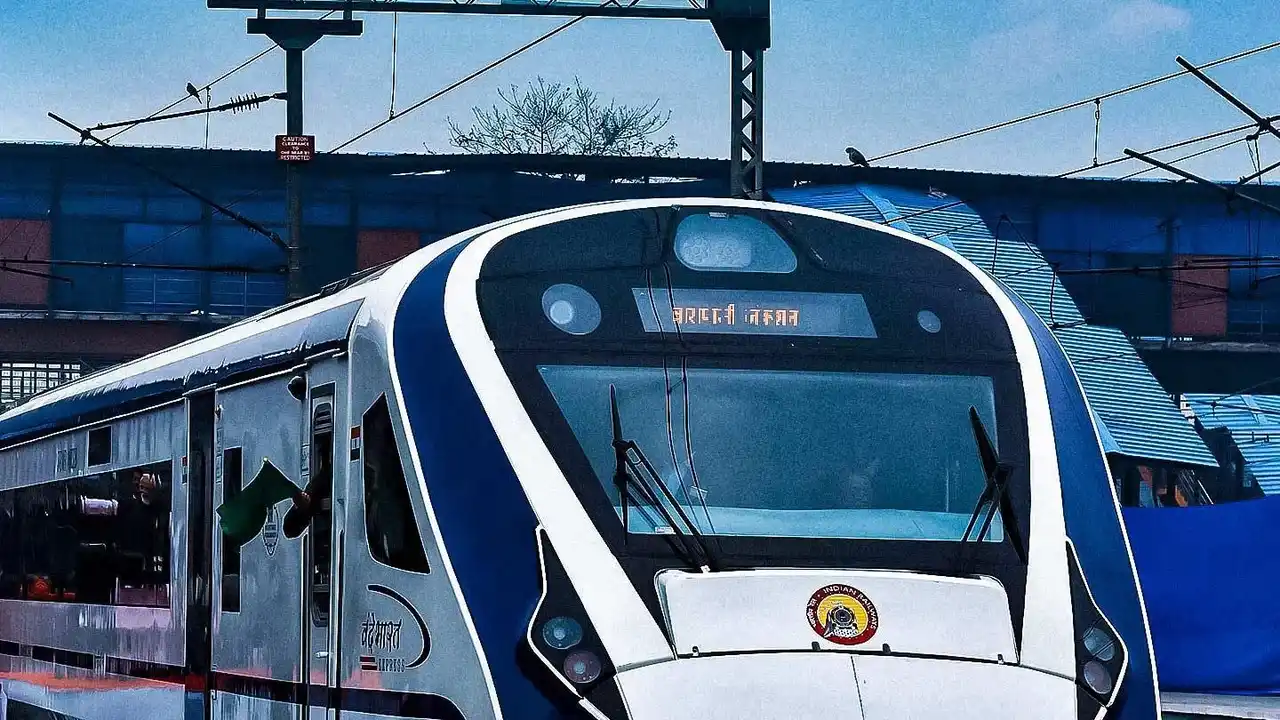
For nearly three decades after Partition, the rail link remained largely dormant. Then, following the Simla Agreement of 1972, a new chapter began. On July 22, 1976, the Samjhauta Express—its name meaning 'agreement' or 'compromise'—started its service between Amritsar and Lahore. It was a powerful symbol of a desire to reconnect divided families and foster people-to-people contact. Initially a daily service, it became a lifeline for those with relatives on the other side of the border. Attari was no longer just a border; it was the checkpoint for a journey of peace. It became the designated station for customs and immigration before the train, with an Indian or Pakistani rake, completed the short journey to Wagah and onward to Lahore.
A Barometer of Bilateral Relations
The journey of the Samjhauta Express was rarely smooth, its schedule becoming a direct reflection of the volatile relationship between India and Pakistan. The service was suspended for the first time in 2002 following the terrorist attack on the Indian Parliament. It was tragically targeted in a bomb attack in 2007, which killed 68 people, mostly Pakistani civilians, in an attempt to derail peace talks. The train was suspended again during periods of high tension, including in February 2019 after the Pulwama attack. Finally, in August 2019, Pakistan announced it was suspending the service following India's revocation of Article 370 in Jammu and Kashmir. Since then, the international platform at Attari has fallen silent.
A Station Waiting in the Wings
Today, Attari Sham Singh railway station, renamed in 2015 to honour a famed Sikh general, wears a deserted look. The platforms that once processed hundreds of international passengers are now quiet, occasionally servicing a goods train. While the station remains a critical checkpoint for trade that crosses the land border, its role as an international passenger terminal is on an indefinite pause. The rails are still there, pointing towards Wagah just three kilometres away, a physical reminder of a connection that remains severed by politics. The station, a blend of colonial architecture and modern security infrastructure, stands as a monument to a complex history—a place of unity, division, and memories.