






The Allure of the Convenient Sip
Let’s be honest: drinking juice is easy. It’s quick, refreshing, and for many, a tastier alternative to plain water. Packaged pear juice is a common sight in refrigerators across India, often seen as a healthy choice for both children and adults. It offers
hydration and a sweet taste that’s hard to resist. The perception is that you are consuming the goodness of fruit in a convenient, drinkable form. However, this convenience comes at a significant nutritional cost, transforming the humble, healthy pear into something far less beneficial.
The Fibre Factor: A Whole Fruit’s Biggest Advantage
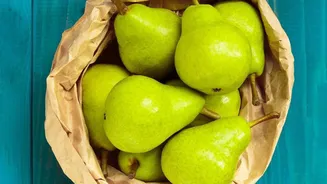
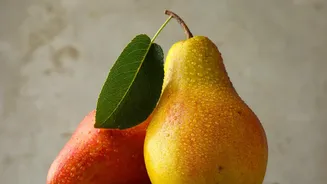
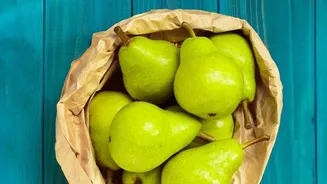
The single most important nutrient you lose when you juice a nashpati is dietary fibre. A medium-sized pear is an excellent source of both soluble and insoluble fibre, containing around 6 grams, which is a significant portion of your daily requirement. This fibre is crucial for digestive health, helping to maintain regular bowel movements and feeding the beneficial bacteria in your gut. When a pear is processed into juice, most of this fibre, especially the beneficial pulp and skin, is stripped away. This not only impacts digestion but also how your body processes sugar.
The Hidden Story of Sugar
A whole pear contains natural sugars, but they come packaged with fibre. This fibre slows down the absorption of sugar into your bloodstream, preventing the sharp spikes in blood glucose that can lead to energy crashes and, over time, more serious health issues. Pears have a low glycemic index (GI), meaning they have a gentle effect on blood sugar levels. In contrast, pear juice, especially sweetened commercial varieties, delivers a concentrated dose of sugar without the fibre to buffer its impact. This can cause a rapid increase in blood sugar. Even 100% pure fruit juice contains these 'free sugars' which are processed differently by the body than the sugars naturally bound within the whole fruit's structure.
Nutrient Loss During Processing
The skin and pulp of a pear are nutritional powerhouses, containing high concentrations of antioxidants, flavonoids, and essential vitamins like Vitamin C. The process of juicing, followed by pasteurisation (heating to extend shelf life), can degrade these delicate compounds. For example, the antioxidant compounds that protect your cells from damage are far more potent in the whole fruit. Studies show that vital nutrients are often left behind in the discarded pulp and skin. So, that glass of clear juice is missing many of the protective elements that make nashpati so good for you, including those linked to reducing inflammation and supporting heart health.
The Fullness Feeling and Weight Management
Chewing a whole fruit takes time and effort, sending signals to your brain that you are eating and helping you feel full and satisfied. This process, known as satiety, is a crucial part of appetite regulation. Drinking calories in the form of juice doesn't provide the same level of satiety. You can easily consume the sugar and calories of several pears in one glass of juice without feeling nearly as full as you would after eating just one whole pear. This can lead to consuming more calories overall, which can impact weight management. The fibre in a whole pear also contributes significantly to that feeling of fullness, making it a much better choice for a healthy snack.